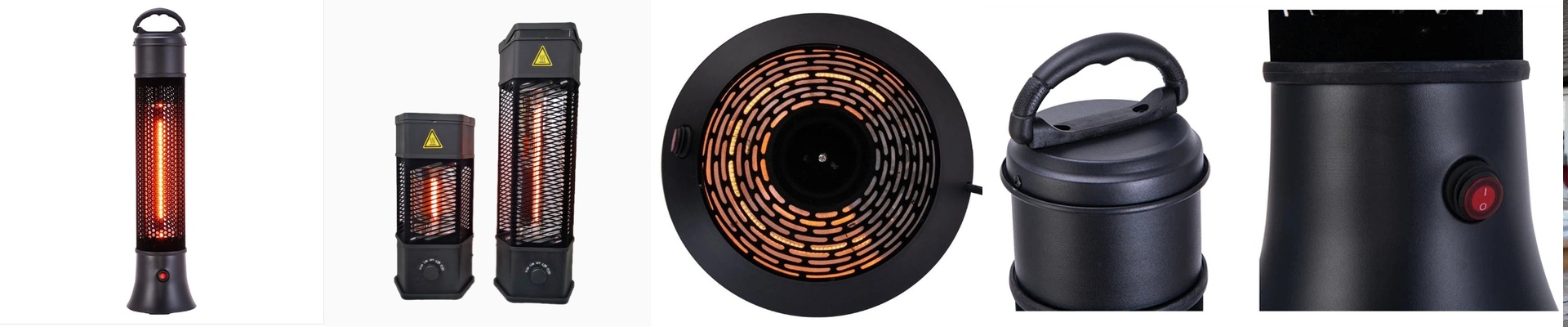
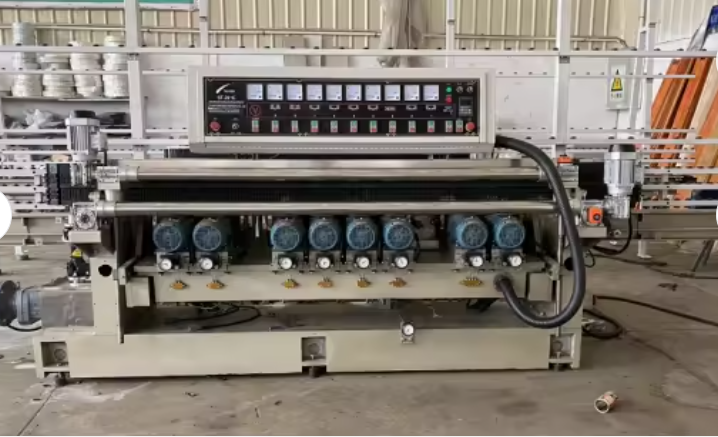
Getting Your Infrared Peaks Right for a Cleaner Glass Cut
Cutting safety glass is a bit of a balancing act. You need just enough thermal stress to get a clean snap, but if you overdo it, the whole pane shatters. Most people just use standard infrared lamps, but here’s the problem: a lot of that energy is wasted. It’s like trying to heat a room with a flashlight; if the light doesn’t “hit” the material right, it just bounces off.
Why “Generic” Doesn’t Work
Glass isn’t just glass. Depending on what’s mixed in for color or tempering, it only “drinks” heat at certain wavelengths. If you’re using a basic shortwave lamp, most of that heat is just bouncing off the surface or warming up the air in your shop. We fix this by tweaking the emitter materials and coatings. We shift the output so the lamp’s peak matches the glass’s absorption peak. Instead of wasting power, the energy actually sinks into the material.
The Trade-off
Now, there is a catch. You usually have to choose between raw power and precision. A narrow-band emitter is like a laser—it hits that specific absorption peak perfectly. But, it might not put out as many total watts per inch as a chunky halogen tube. You’ll get a much cleaner cut, but you might need to slow down your conveyor belt a bit to make sure the glass gets enough total heat.
Putting it to Work
When we set these up, we keep it simple. We focus on the footprint and the power draw so you aren’t ripping out your entire electrical panel. These tubes are designed to be drop-in replacements. You plug them into your current controllers and you’re good to go. But once they’re running, you’ll notice a difference. Because the heat is absorbed more efficiently, you don’t get that nasty surface temperature overshoot. That means way less thermal shock and fewer accidental cracks in the areas you aren’t trying to cut.