
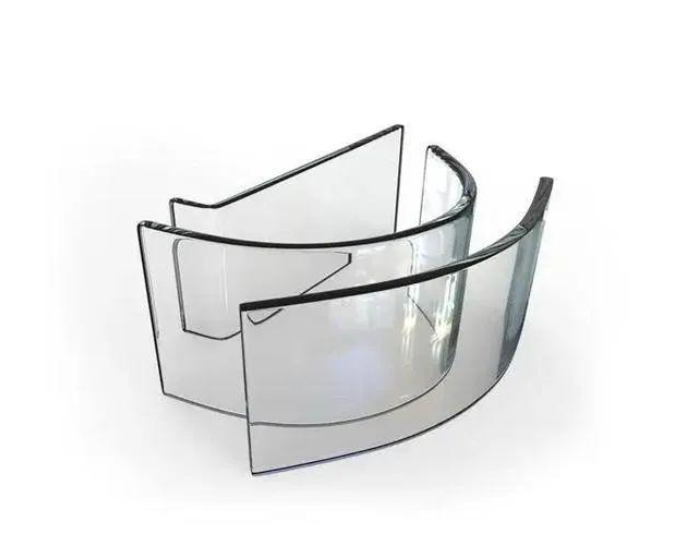
Stop Heating the Air: A Smarter Way to Anneal Glass
Let’s be honest: removing stress from tempered glass is a total power hog. Most shops are still using those massive convection ovens that try to heat up every single cubic inch of the chamber. You’re basically paying to heat the air and the walls of the machine, which is a huge waste of money. We do things differently. We use shortwave infrared (IR) lamps. Instead of waiting for the air to get hot, we go straight for the glass. How it actually works To get rid of internal stress without ruining the glass, you need a very specific temperature soak. Conventional heaters take forever to get there. But shortwave IR? It hits the material directly. The energy sinks into the glass much faster. Your ramp-up time drops significantly, and your power bill follows suit. It’s a simpler, cleaner way to work. The nitty-gritty of the heat To get the temperatures you need, we pack a lot of power into a small area. The beauty of this is that the heat stays where it belongs—on the glass—rather than soaking into the frame of your machine. One heads-up, though:**keep your reflectors clean.**If dust or oxidation builds up on them, your efficiency tanks. The lamps have to work twice as hard to make up for it, which just wears them out faster. A quick wipe-down saves you a lot of headaches. Getting it into your shop If you’re running old resistive heaters, these systems are pretty easy to swap in. The wiring is straightforward. But here is the one thing you can’t ignore: your controllers. IR lamps react instantly. They don’t lag like ceramic heaters do. If your PID tuning is a bit lazy, you’re going to see the temperature overshoot your target. You’ll want to dial that in first. Once you’re set up, you can stop wasting hours on those long pre-heat cycles. You stop paying to heat the room and start heating the product. That’s where the real savings show up on your annual bill.