

Uniform Heat for Tempered Glass—No Compromises
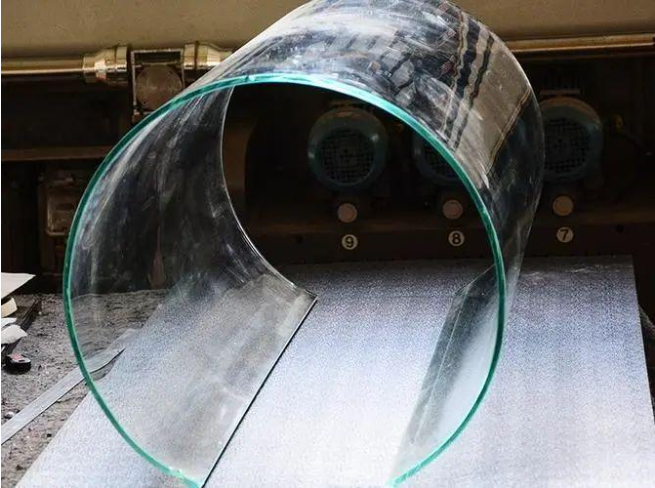
We build infrared heating systems for tempered glass lines, plain and simple. The whole point? Hit the glass evenly, fast, and without those nasty hot spots. When the glass comes out of the furnace, the temperature across the sheet has to be consistent. If it isn’t, you get warping or the tempering just doesn’t take.
Power, Voltage, and Size—Tailored to Your Line
Tempered glass needs a lot of power packed into a tight space. Our infrared modules deliver that burst of energy, so your cycle times shrink and the line keeps moving. Voltage is the tricky part. Your plant might run 110V, 480V, or 575V. We match the system to what you already have, so you don’t get stuck with step-up transformers or a rewiring headache. That’s not just convenient—it keeps the power clean and keeps installation costs down. Then we size everything to the glass. The lamp length and wattage have to line up with the sheet width, so the heat covers the whole surface. Too little power? You’ll see cold edges. Too much? You waste energy and put unnecessary stress on the glass. We make sure the system fits your line like it was meant to be there.
The Details That Keep You Running
Infrared heating only works if the output stays stable, day after day. That’s why we use quartz envelopes—they handle rapid heating and cooling without cracking. And the filament inside is tuned to the right wavelength, so the heat penetrates predictably. On the shop floor, connectors matter more than people think. Standard terminals mean you can swap parts quickly and keep downtime to a minimum. These lamps are built to take it—vibration, thermal shock, long shifts. Here’s the trade-off: packing in more wattage gives you faster response, but it also raises the heat inside the enclosure. Plan for cooling and shielding up front, and you won’t get surprised later.
What It Feels Like on the Line
When the heat is uniform, the glass comes out with consistent optical quality and the strength you need. And because the system works across global voltages, you can spec one platform for multiple plants. Installation becomes a straightforward drop-in. You get heat you can count on, cycles you can repeat, and fewer surprise stoppages. Just steady, predictable performance—exactly what tempered glass production needs to run without the drama.