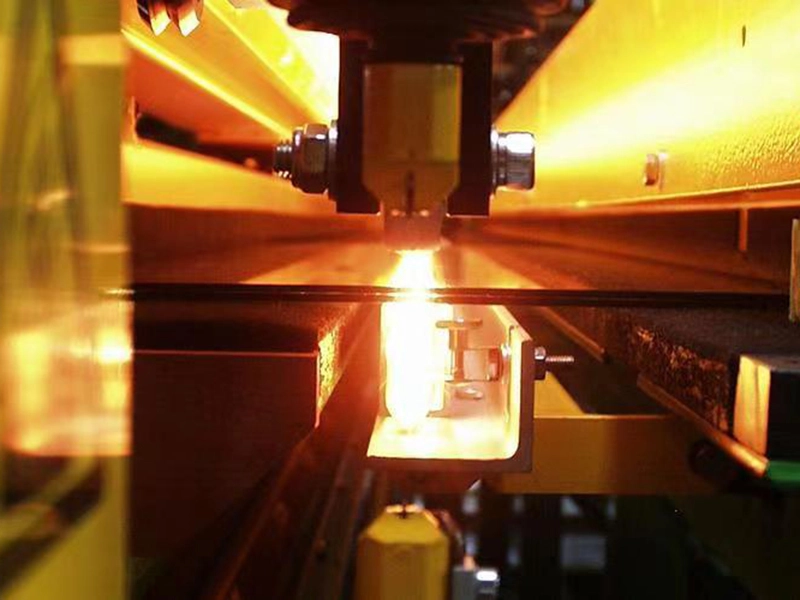
On the line, the lamination cell doesn’t bend to temperature. When the cutting heater starts to lag, you know it instantly: ramp-up drags, throughput stalls, heat across the ply isn’t even, and the adhesive cure starts drifting outside the window. Those minutes turn into scrap, rework, and overtime. What matters under the hood We built the laminated glass cutting heater around short-wave infrared (SWIR) quartz emitters—high radiant power, fast response. Power density is matched to glass emissivity, so the surface takes the energy directly instead of fighting convection losses. Reflector geometry is tuned to keep the thermal field uniform across the cutting zone, so you don’t get hot spots that chew edges or cold spots that leave adhesive undercured. The module drops into standard 240/400 V three-phase feeds, with a footprint that fits both retrofits and new cells. You get repeatable ramp rates that shorten dwell without overshoot, and setpoint stability that keeps lamination in spec shift after shift. Why it holds up in real production This heater earns its keep in the places that don’t forgive mistakes: hot bending, tempering preheat, EVA/SGP/PVB lamination curing, and coating drying. In lamination, uniform heat means fewer bubbles, cleaner adhesion, and a higher first-pass yield. In cutting and preheat, the quick response cuts cycle time so the line keeps moving without sacrificing edge quality. Energy use drops because the heater spends less time idling and more time at target. And the construction holds up to the mess—dust, humidity, and the thermal shock cycle that comes with running glass all day. The shop-floor details Installation is straightforward, but alignment is not optional. Set the focal plane right at the glass surface and confirm clearances so you don’t get shadowing at the edges. Expect a short burn-in to stabilize output and lock in your adhesive cure profile. After that, keep a schedule for lamp connections and reflector cleanliness. If you run very high line speeds, verify the heater’s ramp capability against your minimum dwell window. We size the heater to your line, not the other way around.