
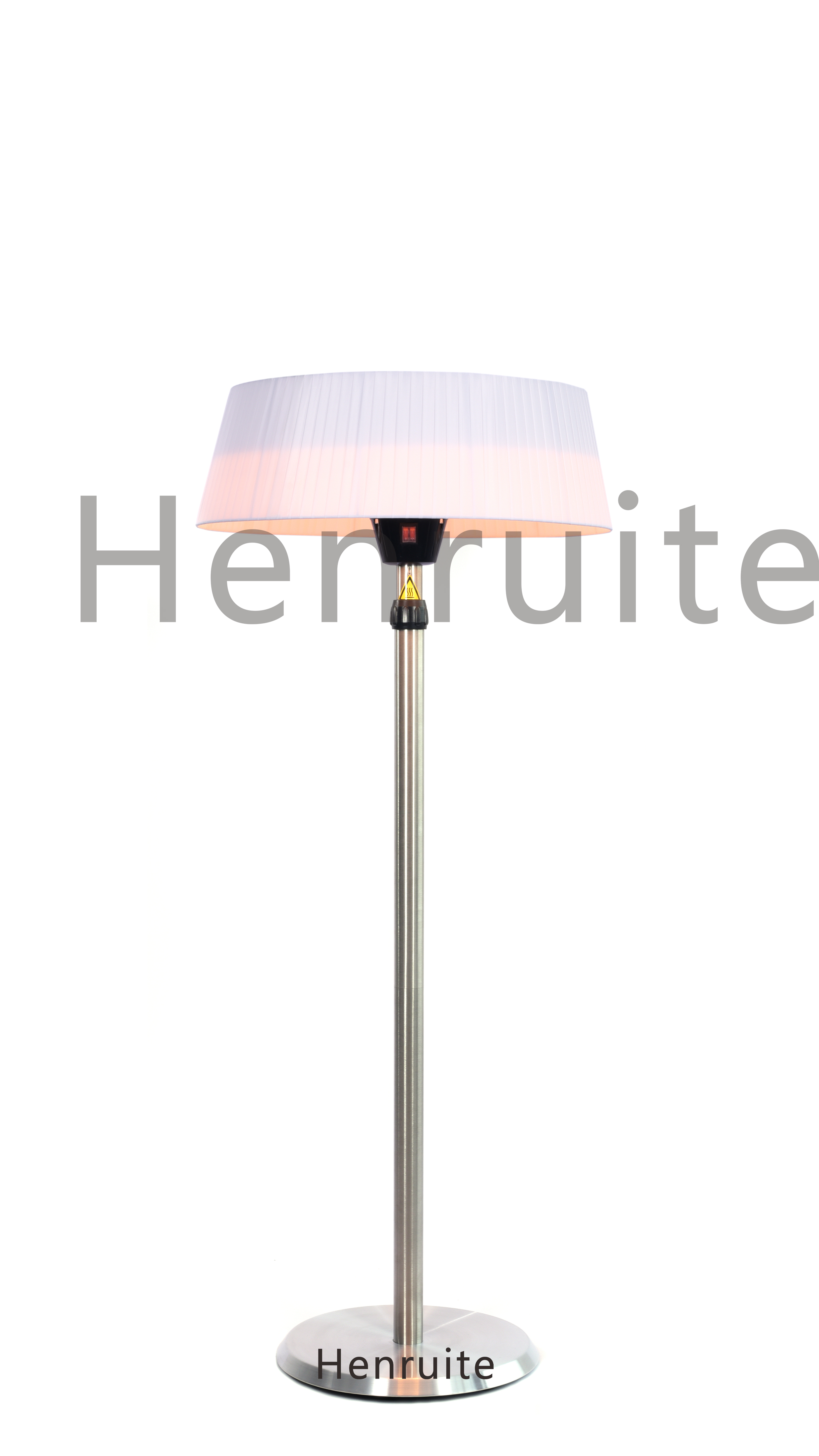
Stepping out of the shower into a bathroom that still feels damp and cold is more than uncomfortable—it leaves you tense, waiting for warmth that never quite arrives. In a bathroom, comfort isn’t just a luxury. It’s about drying off quickly, shaking the chill, and keeping surfaces from feeling clammy. The right fix is targeted infrared warmth, but only if the wattage actually matches the room.
What matters, technically
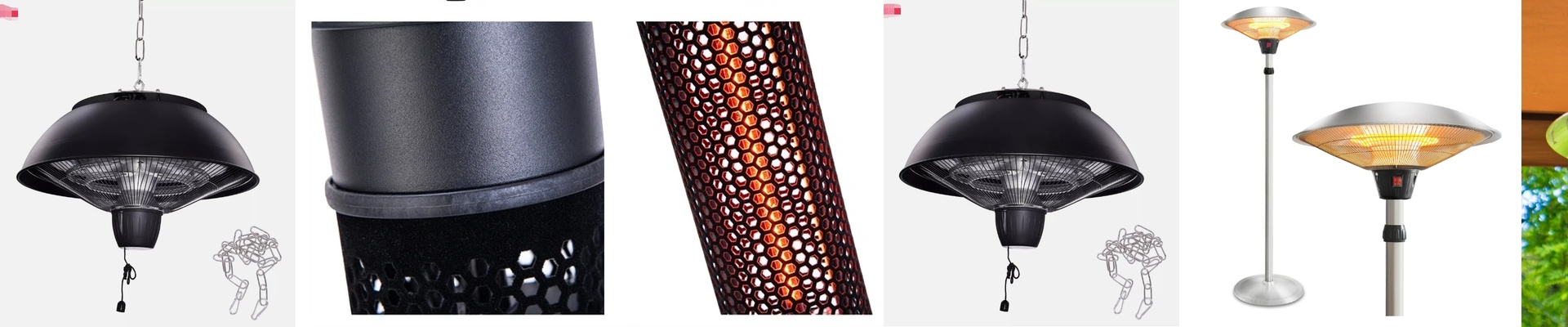
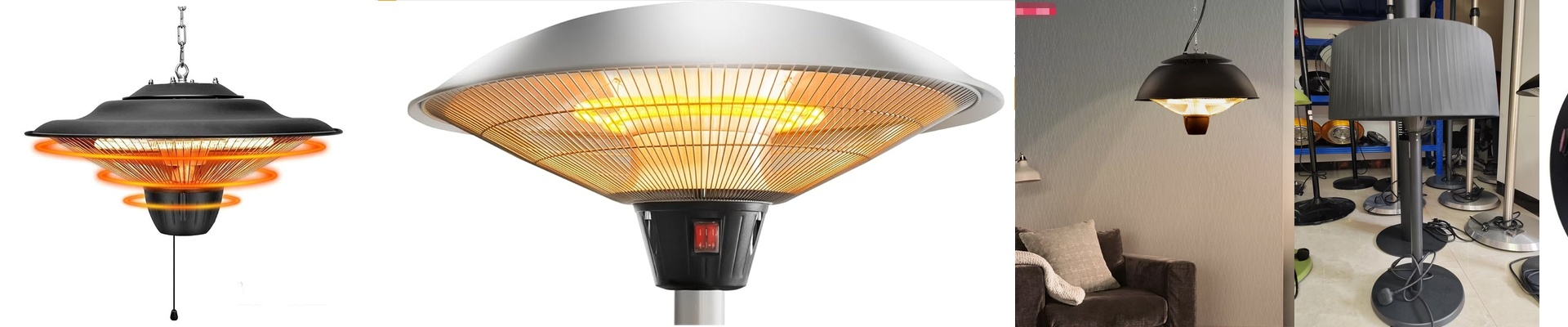
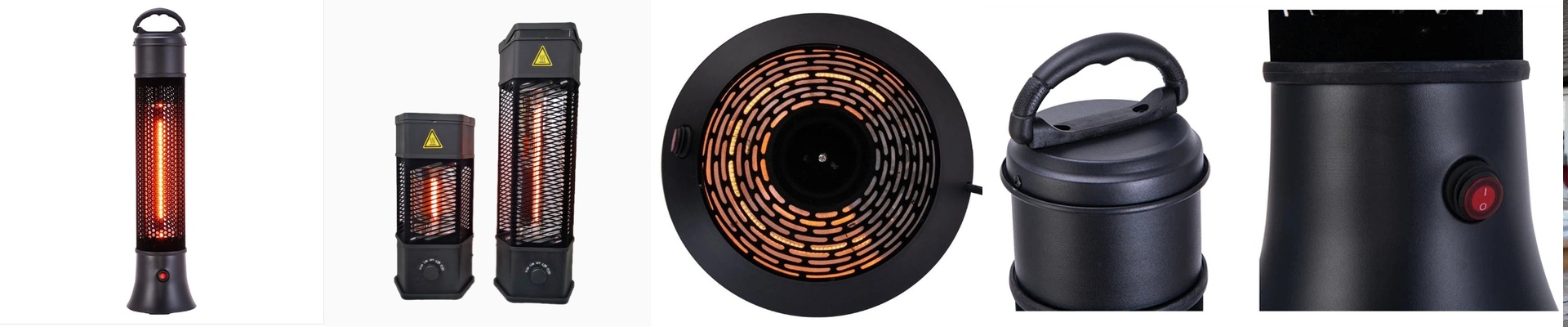
Infrared bathroom heaters work because they deliver radiant heat—energy that travels cleanly through air and warms people, towels, and walls directly. We build our units with a carbon fiber element, chosen for even output and long life, typically in 1500W and 2000W options for standard 120V circuits. The heat is focused, so you feel it within seconds, not minutes. Add a thermostat and you’re controlling temperature instead of chasing it.
Why this makes sense in a bathroom
A small 3–4 m² powder room needs far less than a 10 m² family bathroom with tile and glass. Match a 1500W heater to the smaller space and you get fast comfort without pulling excess current. Step up to 2000W for the larger room and the warmth reaches across shower stalls and vanity areas, so you don’t have to crank the main heat. The payoff is shorter run times, lower energy use, and a bathroom that stays comfortably dry.
The details that actually matter
Infrared heat is directional, so placement matters. Mount it where the beam covers the shower entry and the sink—not just tucked into one corner. These heaters also need a dedicated outlet or circuit. Sharing with other high-draw devices is a fast way to trip breakers. For bathrooms, pick a unit rated for damp locations—look for the IP rating for moisture resistance—and keep clearances clear of curtains or towels.