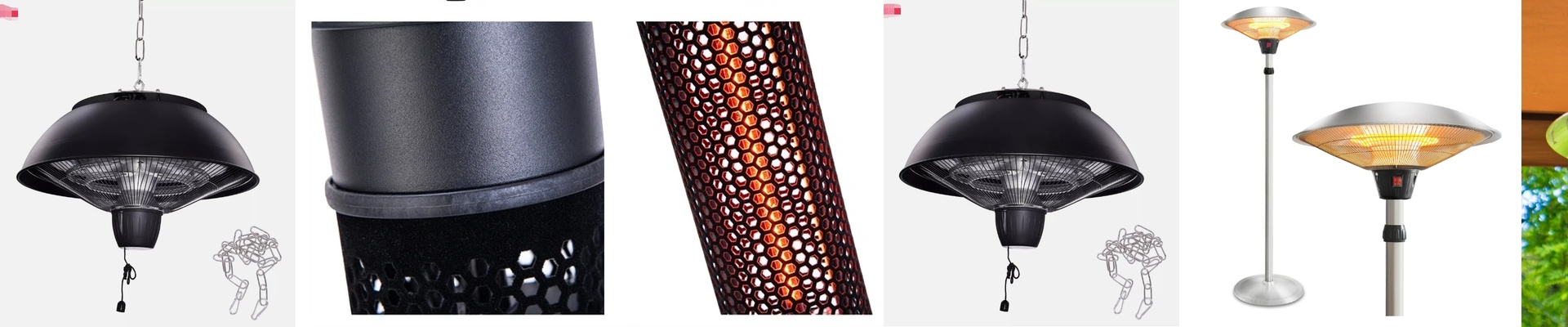
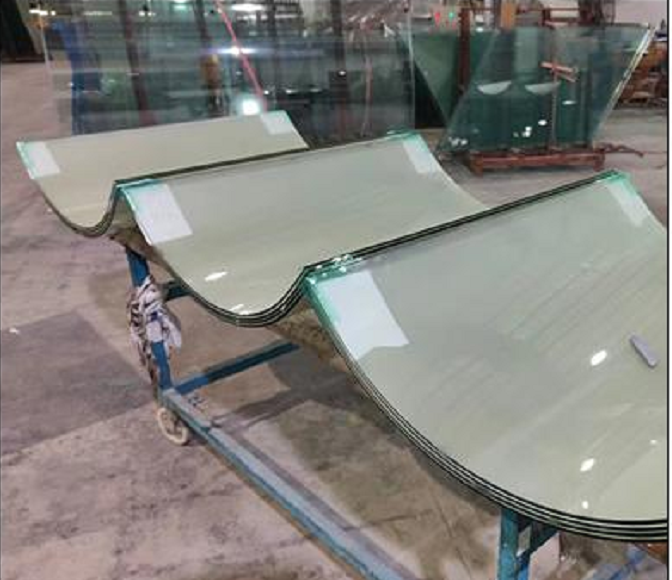
On the line, seconds and kilowatt-hours add up fast. In glass finishing—tempering, bending, lamination preheat, coating drying—uneven or sluggish heat drags throughput and blows up energy costs. When the thermal profile wanders, you get bow, warp, and optical distortion. When heating lags, the furnace queue backs up and scrap piles up. What matters, technically We built our infrared heating for glass finishing around short-wave quartz emitters matched to glass emissivity. The payoff is direct, rapid energy transfer with minimal heating of the surrounding air. A typical module runs 3–12 kW, depending on the zone and line speed, and holds control within ±2%. Fast ramp-up keeps tempering and bending moving, while uniform radiant fields cut down on thermal stress and edge effects. And the emitters drop right in as replacements for standard fixtures, so you can upgrade without rewiring the whole machine. Here is why that translates on the floor. Shorter heating segments. Lower peak demand. More consistent quality. Tempering lines trim cycle time by hitting only the soak zones you need, while lamination preheat gets to bond temperature faster and more evenly—fewer bubbles, less rework. Energy drops because you’re putting power into the glass, not into heating the plant air. Over a year, the savings in kWh and demand charges often cover the retrofit, even before you count fewer lamp swaps and less downtime. Installation is straightforward, but alignment is where you earn it. Check mounting dimensions, reflector geometry, and make sure the temperature control plays nice with your PLC or PID loop. In dusty or humid spots, protect the quartz envelope and keep airflow steady so you don’t cook a hot spot. And remember: infrared is line-of-sight. For complex 3D shapes, pair it with convection or tweak emitter density to get even coverage.