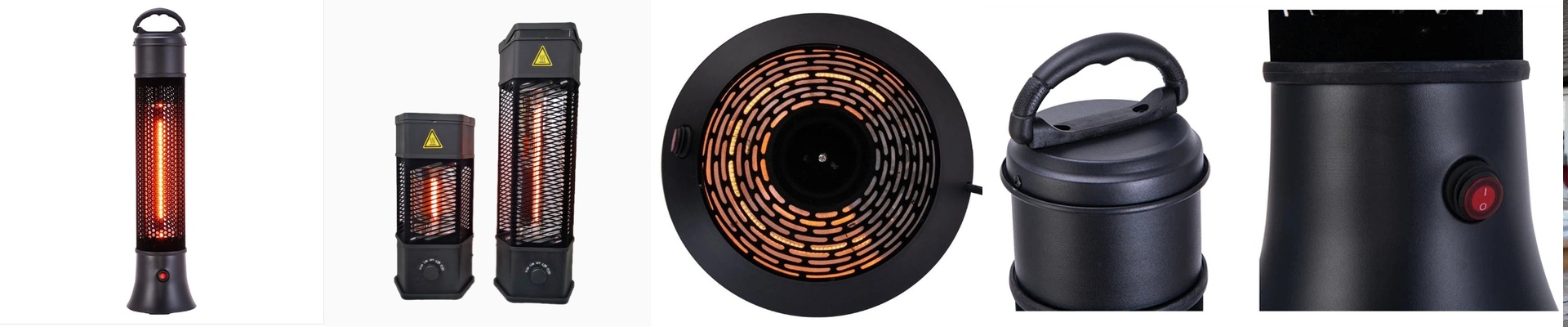

On the insulating glass line, the clock starts the second that secondary sealant hits the bead. Slow cure, and the sash just sits there. Heat builds in the cell, and the schedule slides. Uneven heat, and you’re dealing with soft corners, adhesion that falls off, and service calls you don’t want. We built our rapid sealant curing modules to take that guesswork out. What matters under the hood We run near-infrared (NIR) emitters in a compact quartz-based array, tuned to the absorption band of polyisobutylene and silicone sealants. That gives you fast energy delivery with low thermal mass, so the module comes up to temp quickly and cools fast between cycles. We calibrate output density to hit the surface irradiance you need without driving conductive heat deep into the glass edge, which helps keep thermal stress and edge distortion in check. The geometry is set up for uniformity along the entire seal line, so the bead cures evenly from corner to corner. Power, voltage, and mounting dimensions are spec’d to drop straight into standard IG machines, with connectors matched to your cabinet interface. Why this plays in high-volume IG In high-volume insulating glass production, time is yield. Rapid curing shortens the secondary seal dwell, gets handling fixtures back sooner, and boosts throughput without taking up more floor space. The focused heat profile keeps the primary seal intact, holds spacer alignment, and delivers a consistent bead finish. Energy use drops because the system heats only the target and returns to standby between panes. Fewer rejects mean fewer remakes and less scrap glass. The practical details NIR performs best on clean, dry beads with consistent geometry. Shadowing from spacer steps or desiccant that’s not positioned right can create cure gradients, so check bead exposure and emitter alignment during setup. The module runs hot at close range, so shielding and interlocks have to be in place. Expect a short warm-up, then run within the sealant supplier’s cure window to get the strongest bond.