How to Stop Glass Edge Chipping with Infrared Preheating
Cutting glass is a brutal process. You’re basically forcing a material to break exactly where you want it to, but when the glass is cold, it fights back. You get those annoying little chips and micro-fractures along the edges that ruin a perfectly good piece. We’ve found a way around this:infrared (IR) preheating. By warming the glass before the blade ever touches it, you change the whole vibe of the cut.
Why heat actually works
Glass doesn’t handle heat or stress very evenly. When you hit cold glass with a mechanical score, the cracks can wander. It’s unpredictable. But if you hit the surface with shortwave infrared radiation, you’re basically calming the material down. The surface layer gets a bit more flexible, and that internal tension that causes chipping starts to fade. The result? The score line stays stable. The break is snappy and clean. You stop fighting the material and start getting the edges you actually want.
Picking the right gear
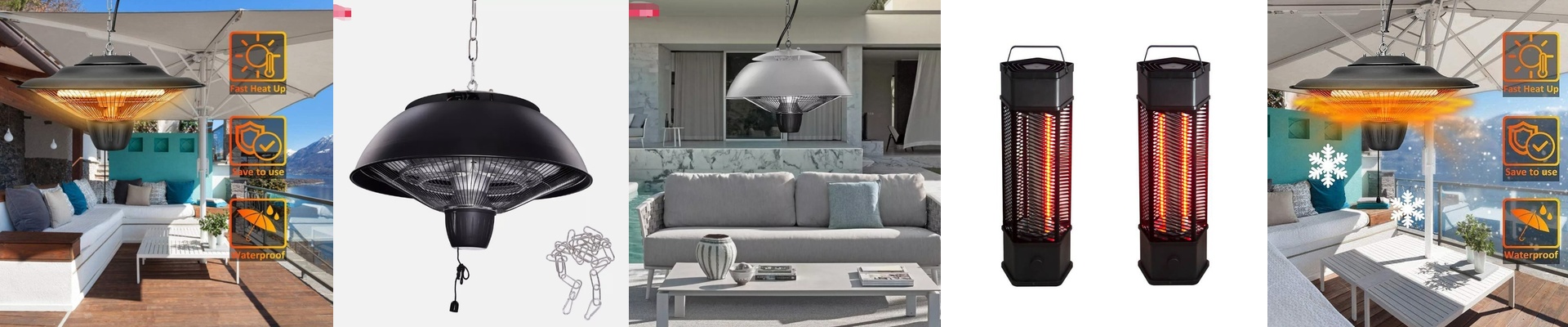
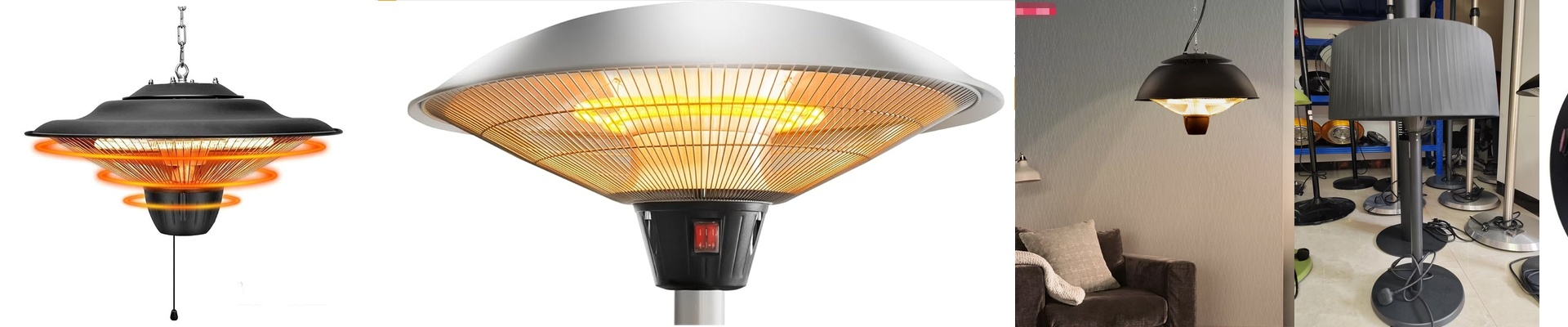
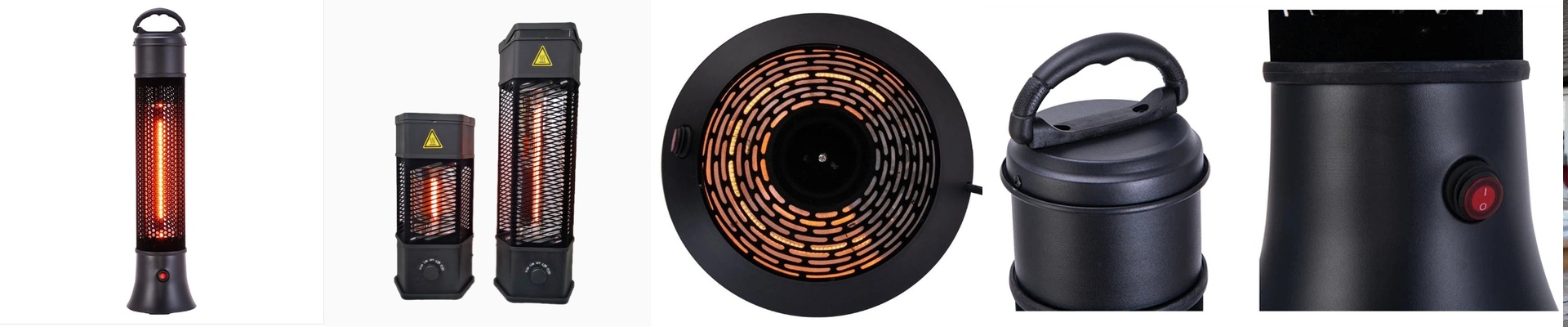
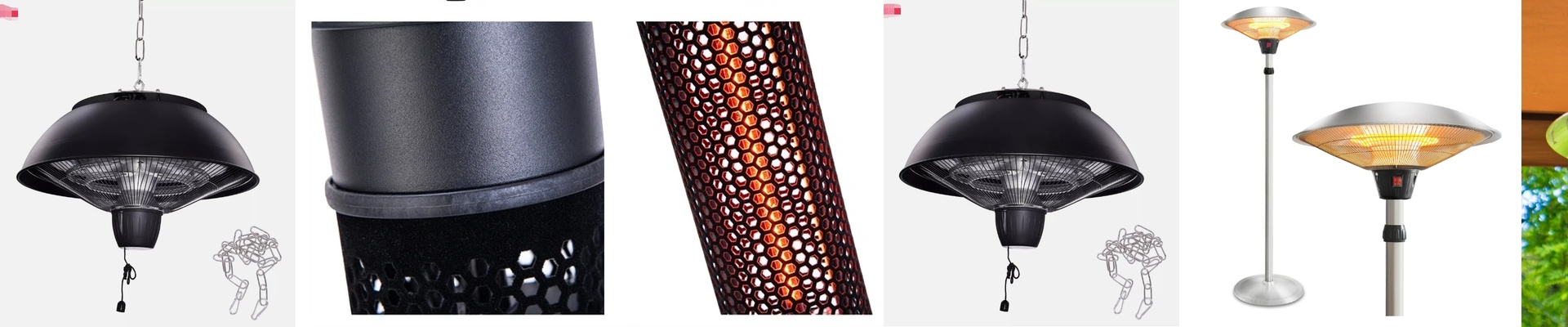
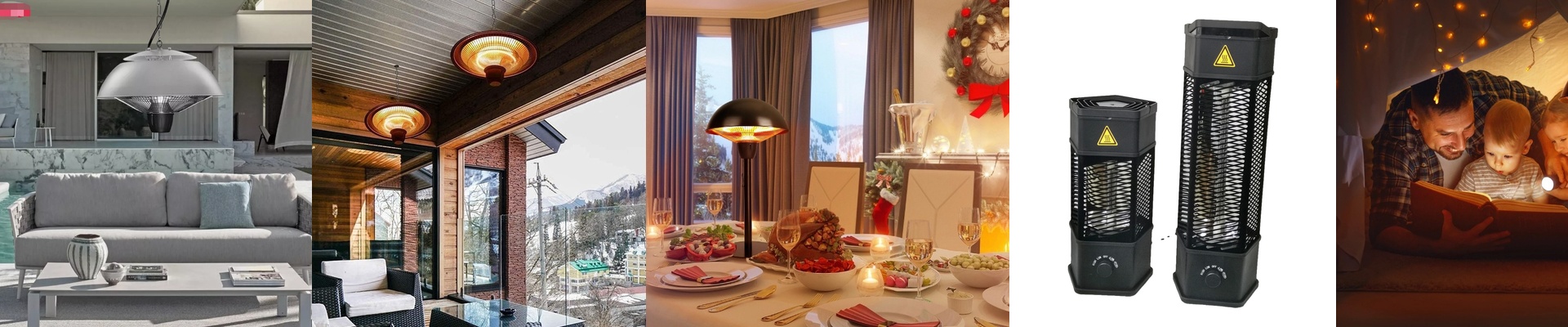
You can’t just use any old heater. You need high-intensity IR lamps. We usually go with shortwave quartz heaters because they punch through the glass surface way faster than other options. But here’s the tricky part:it’s a balancing act. If you crank the wattage too high or put the lamps too close to the conveyor, you’ll warp the glass or cause thermal shock. On the flip side, if you’re too timid with the heat, the glass stays brittle and you’re right back to square one with a pile of chipped edges. You’ve got to tune the output until the temperature is dead-on across every single piece in the batch.
The reality check
Now, IR preheating isn’t some magic wand. It comes with its own set of headaches. Those high-wattage lamps pull a lot of power and put off a massive amount of heat. If you don’t shield your conveyor line, you’re basically baking your sensors and wiring. It’s a recipe for disaster. Make sure your cooling blowers are beefy enough to handle the heat soak around the lamp housing. If you ignore this, your terminals will overheat and your lamps will burn out way sooner than they should.