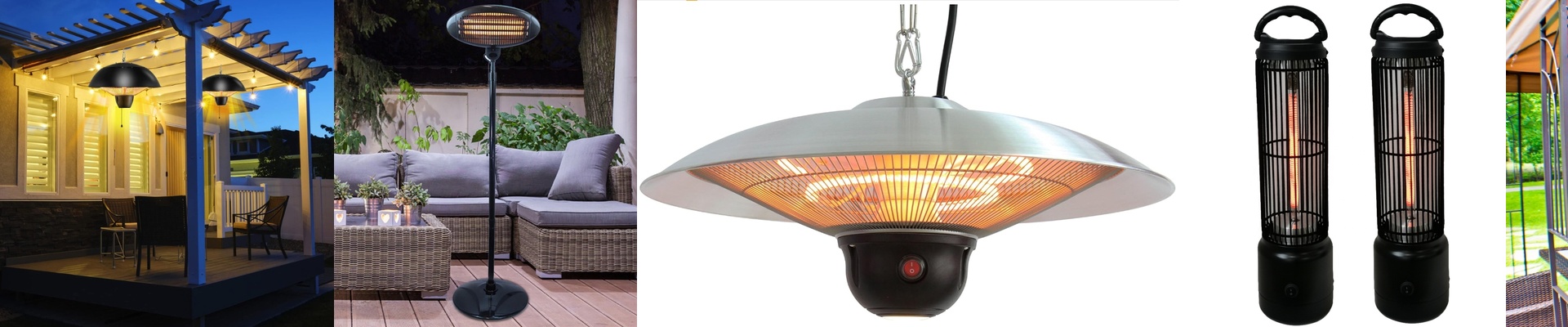
The Real Reason These Wall-Mounted Infrared Heaters Work So Well
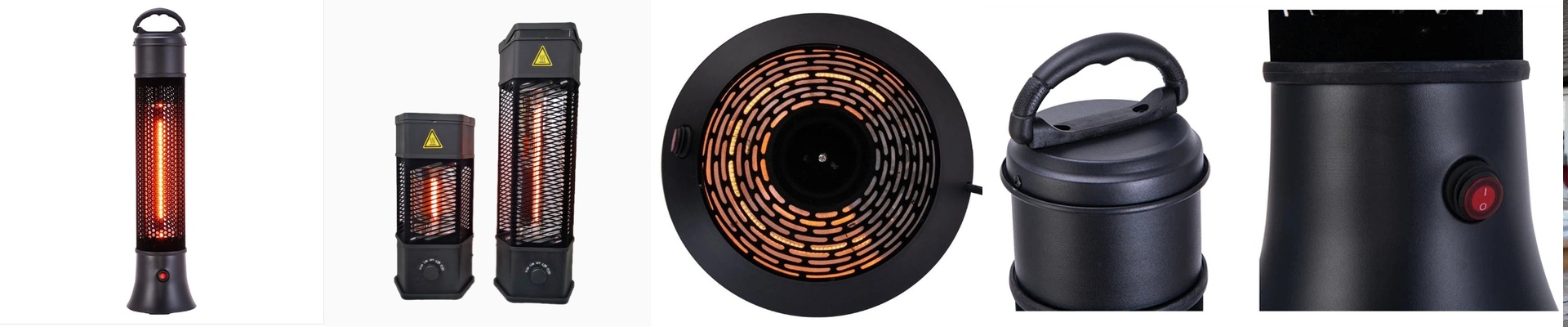
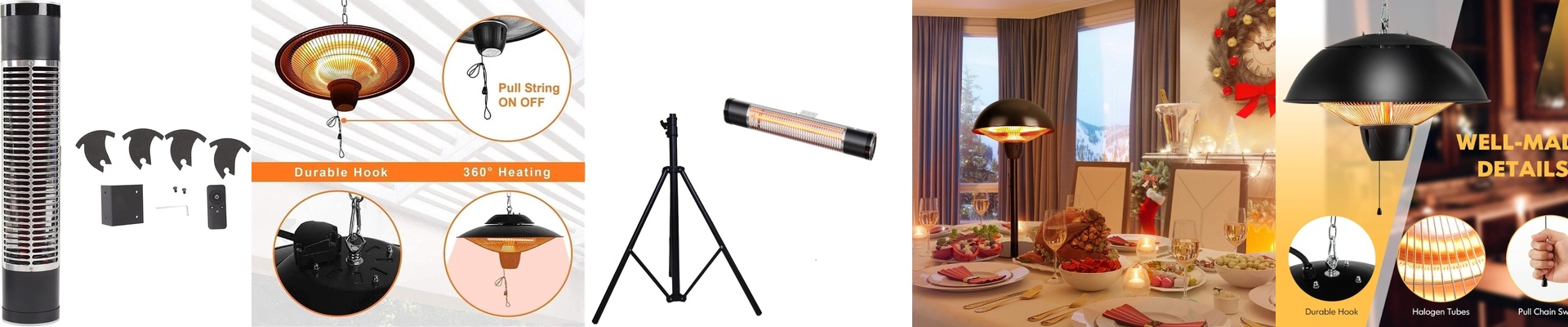
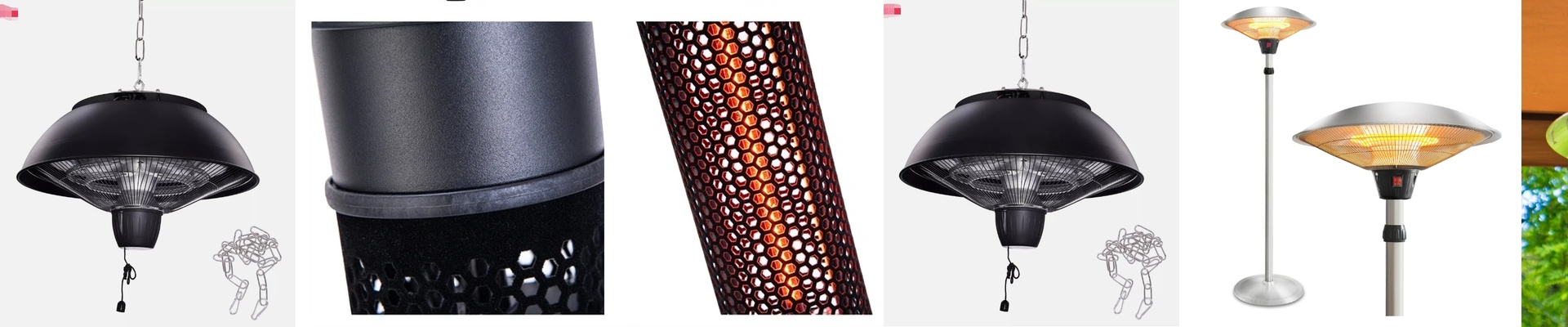
Here’s the thing about these wall-mounted infrared patio heaters—they weren’t built to slowly warm the whole area like a space heater. They were built to zero in. Think of them as direct heat, right where you need it. That’s why the power and voltage aren’t optional—they’re the whole point. These units get hot fast, with almost no wait time. No sitting around while the air slowly warms up. You flip them on, and you feel the heat. Quickly.
Power, Voltage, and What You Actually Need
They run on a standard electrical setup, but it’s carefully balanced so you get serious heat without overloading your circuit. The wattage matches the length of the quartz tube, so the heat stays even across the whole surface. That gives you a dense, focused warmth—but it also means your wiring has to be up to the job. If you try to hook this up to a circuit that can’t handle it, you’re asking for trouble—tripped breakers, or connections that get dangerously hot. The unit itself is compact on the wall, but the heat it puts out is anything but small.
Why Quartz Matters—Especially the Explosion-Proof Kind
The heart of the heater is quartz, and there’s a reason. It can take sudden temperature shifts without cracking, and it sends infrared heat out clean and efficiently. And when we say “explosion-proof,” we’re not just throwing around marketing words. It means the quartz tube is built to hold together if something inside fails. So instead of shards flying everywhere, the tube contains the pressure. That matters, especially in places like a bathroom where steam and electricity are a tricky mix. The R7s connector is part of that safety too—it stays tight and holds up under high heat, so nothing loosens or melts when things get hot.
Where It Shines: Bathrooms, Patios, and Wet Spaces
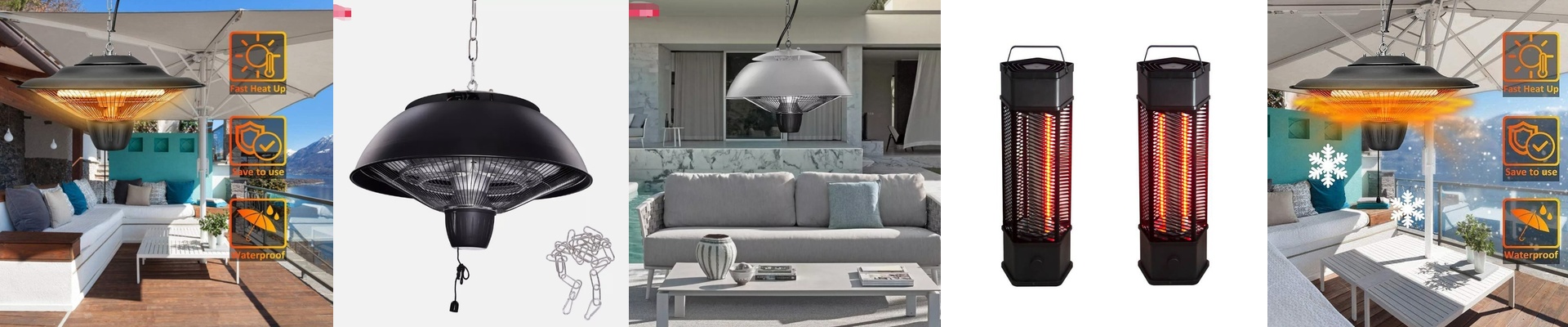
Whether you’re using it on the patio or in the bathroom, this heater is made to perform around moisture without cutting corners on safety. If the filament ever fails, the explosion-proof quartz tube keeps the heat source contained. And because infrared heat warms people and objects directly—instead of heating the air—you get less condensation on walls and fixtures. For anyone installing it, it’s a clean, straightforward solution that holds up to constant heating and cooling cycles. Just keep one thing in mind: the heat is concentrated. You get intense warmth in a specific spot, so placement matters. You want to aim it right, so you don’t end up overheating a surface.