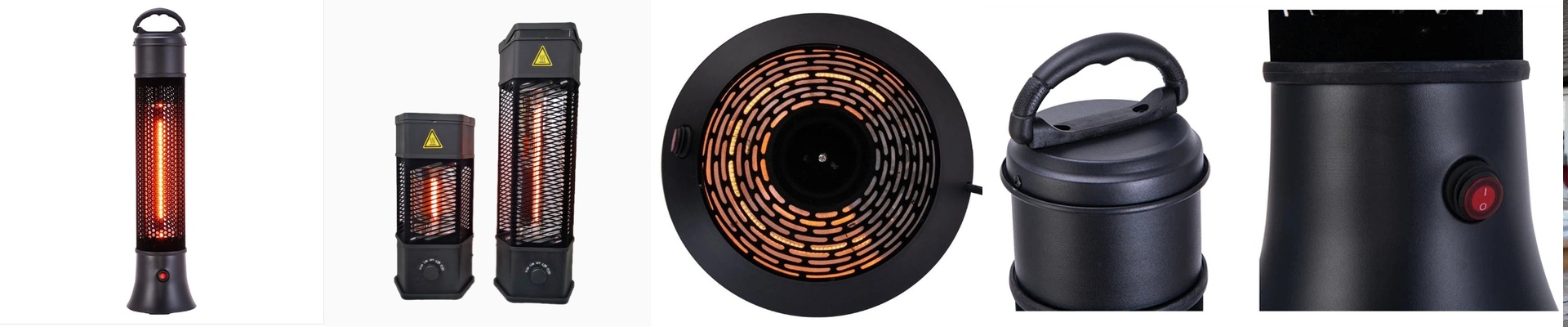
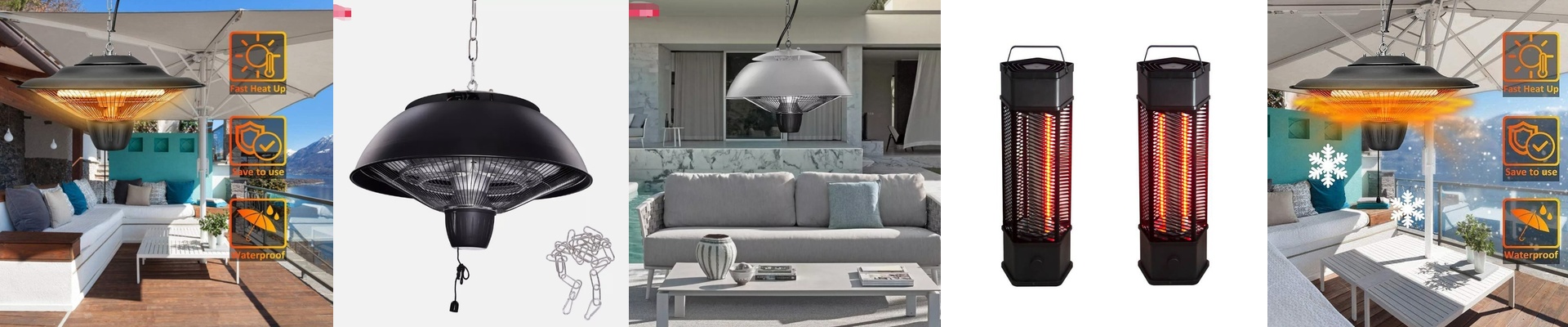
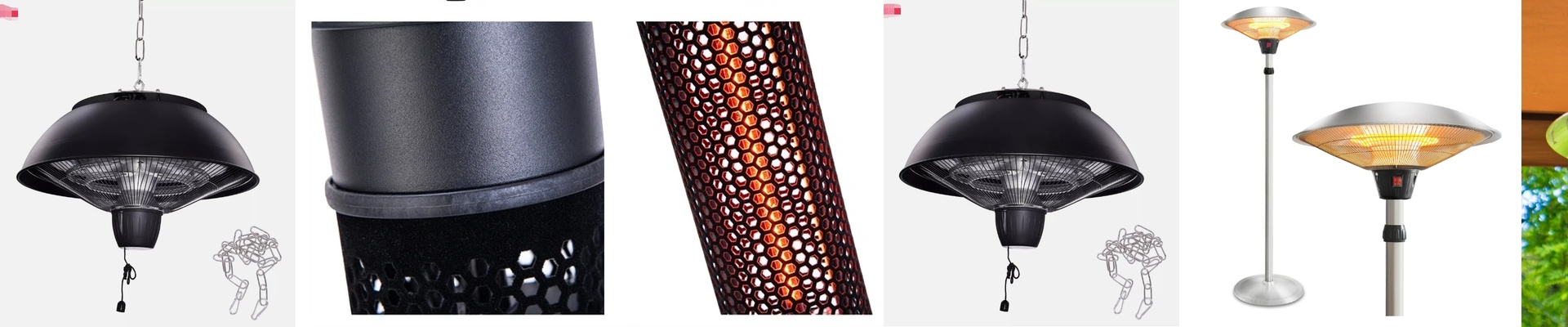
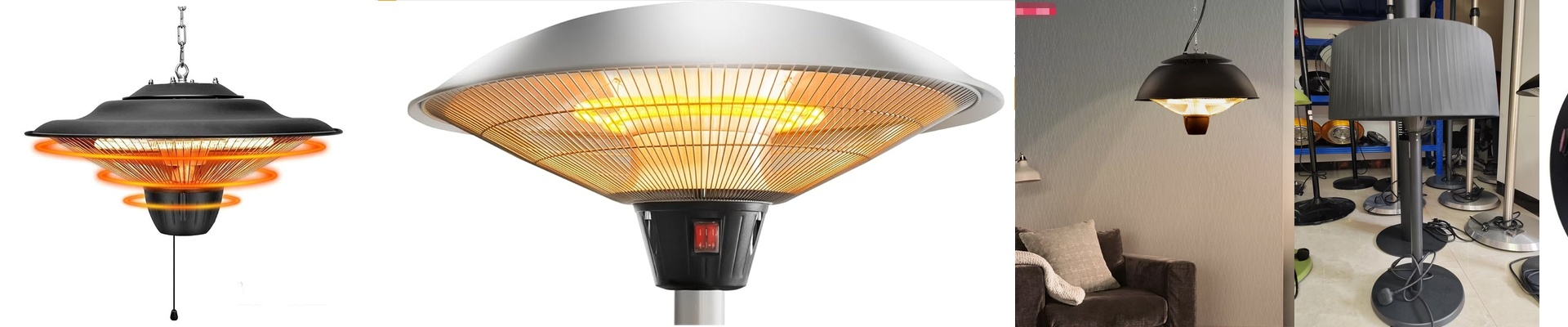
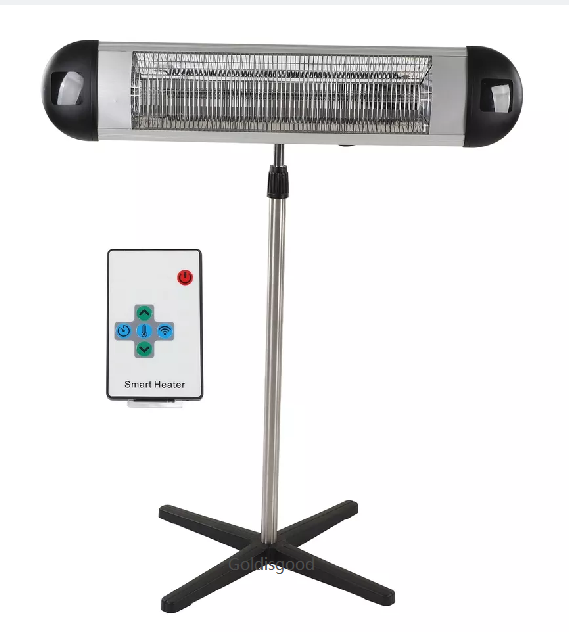
Walk the shop floor and you feel it right away—commitment, not just heat. From the moment the quartz and carbon fiber elements hit the line, every step is tracked, measured, and double-checked against strict environmental standards. The question we keep coming back to is straightforward: how do we build an infrared electric heater that feels like a natural fit for an eco-minded home? The answer starts long before the unit ever reaches your patio.
What matters under the hood
We pair a low-energy carbon fiber emitter with a high-purity quartz reflector to deliver radiant heat—warming people directly, not the air around them. The result is a 1,500W infrared heater that delivers that sun-like feeling: instant, directional, and clean. A built-in thermostat keeps comfort within ±1°C, and the IP55 weatherproofing holds up against rain and dust. Every component is tagged for traceability, so we can trace origin, lifecycle impact, and recyclability without guesswork.
Why this approach works in the real world
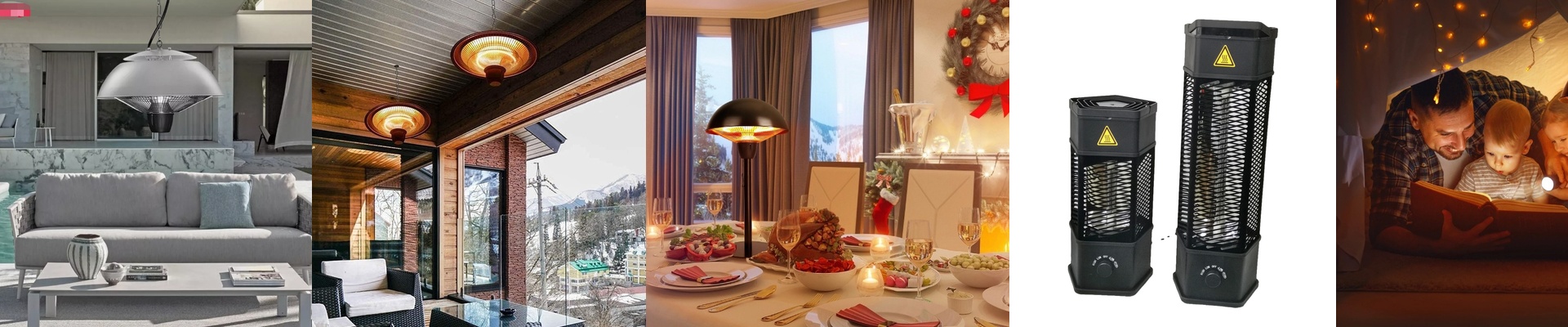
Green manufacturing isn’t a badge you slap on—it’s the day-to-day work. Our ERP system tracks energy use, waste, and emissions across production, so each unit leaves with a clear footprint. For you, that translates to an outdoor heater that comes up to temperature fast, pulls less power than conventional models, and keeps evenings cozy without the second-guessing. Fewer replacements, lower operating costs, and a smaller footprint—paired with the soft, steady glow of infrared warmth.
What you need to plan for
Because this heater is built around efficiency and environmental accountability, it needs a dedicated 120V outlet and at least a 3-foot clearance from anything combustible. For the best coverage, mount it 6–8 feet above the floor and angle it slightly downward so the warmth lands where you actually sit. The design keeps glare to a minimum, but if you’re directly in the line of sight, it can still feel bright to some. Set it up with care, and you’ll get dependable comfort season after season.