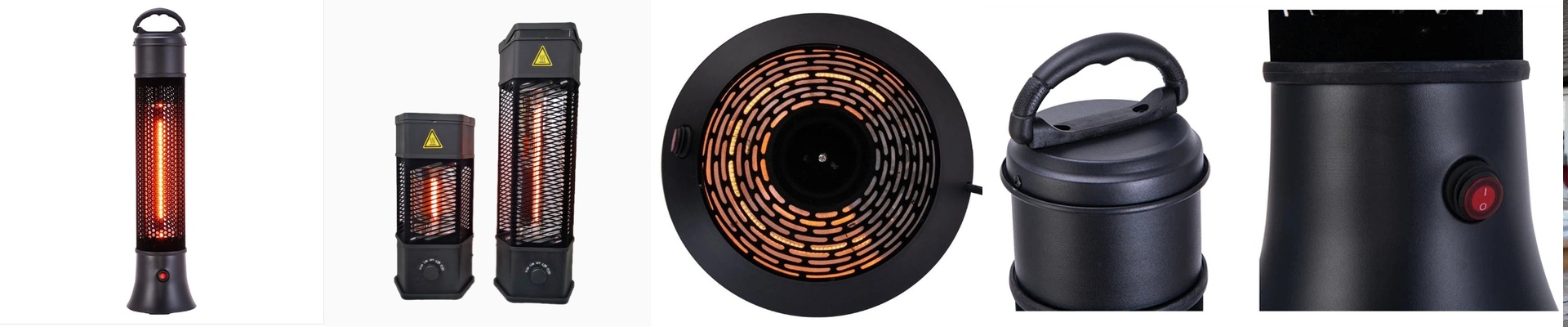
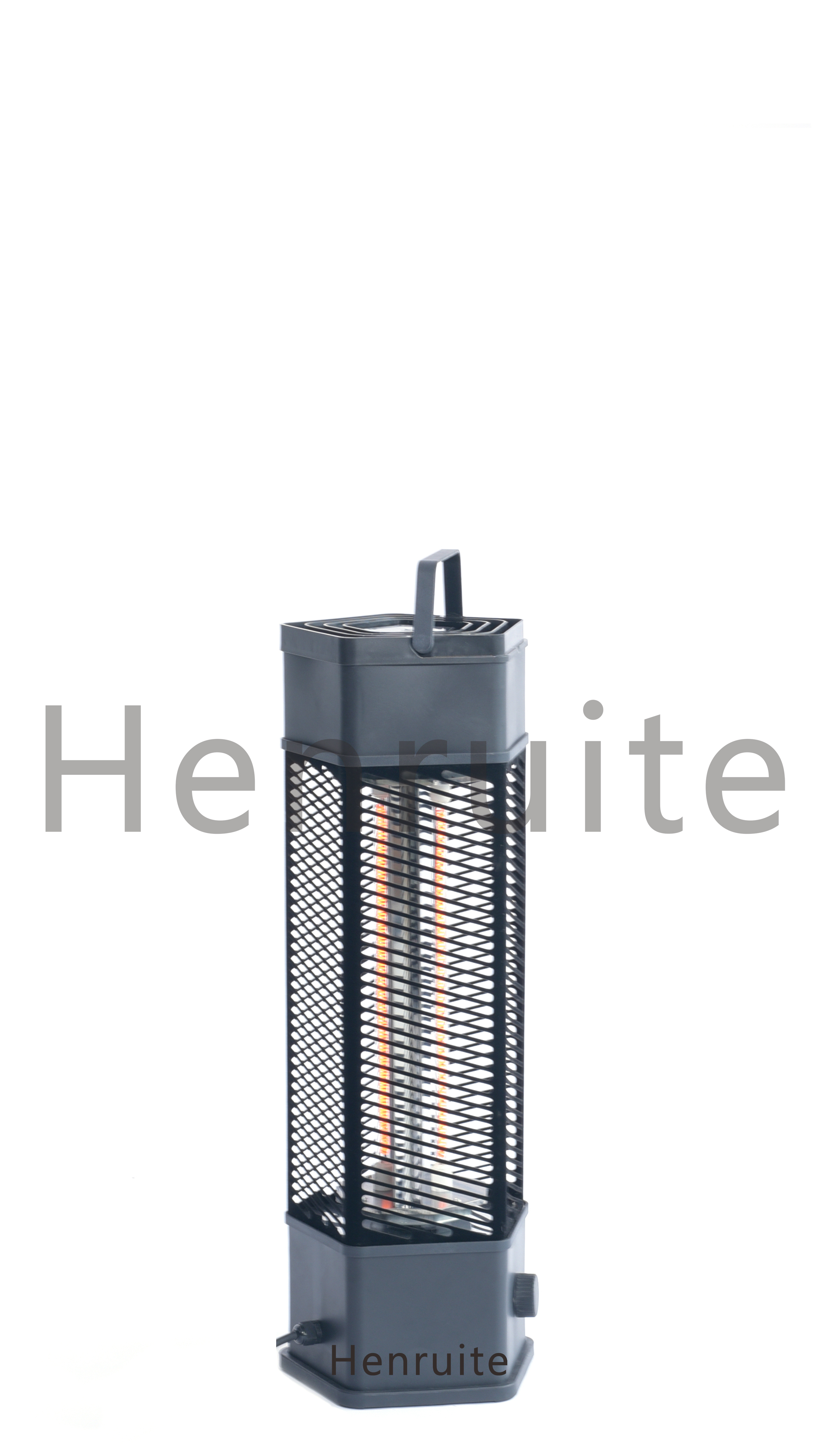
You know how it goes. The thermostat keeps flipping, some rooms never feel right, and the electric bill quietly creeps higher. You just want warmth that kicks in the second you need it, then stops on a dime—without wasting energy. That’s where low-heat-inertia infrared technology earns its keep.
What matters, technically
A desktop infrared heater with a carbon fiber element or a quartz tube has almost no thermal lag. Power it on and the radiant heat hits you within seconds, warming people and surfaces directly instead of trying to heat the air. Most of these units run at 400–800W, plug into a standard outlet, and sit quiet—no fan noise. Add a thermostat and the heater holds the set comfort level without hammering on and off. In practice, that means less standby draw and fewer starts and stops—two of the biggest drivers behind high energy use.
Why this plays so well with smart control
In a smart home setup, fast response is the ticket to savings. The element cools almost immediately when power drops, so the heater can track occupancy and temperature curves precisely. You get warmth when you need it, and you stop paying for leftover heat when you don’t. The result is comfort that keeps up with your routine and a real dent in wasted kilowatt-hours.
The details that make the difference
Infrared warmth is directional, so placement matters. Put the desktop heater where it can throw heat toward the usual seating area and you’ll feel it right away. For best results, work it into an overall smart control plan that accounts for drafts, room layout, and humidity. One practical note: keep the unit clear of obstructions and don’t use it in damp spots unless it’s rated for outdoor use.