

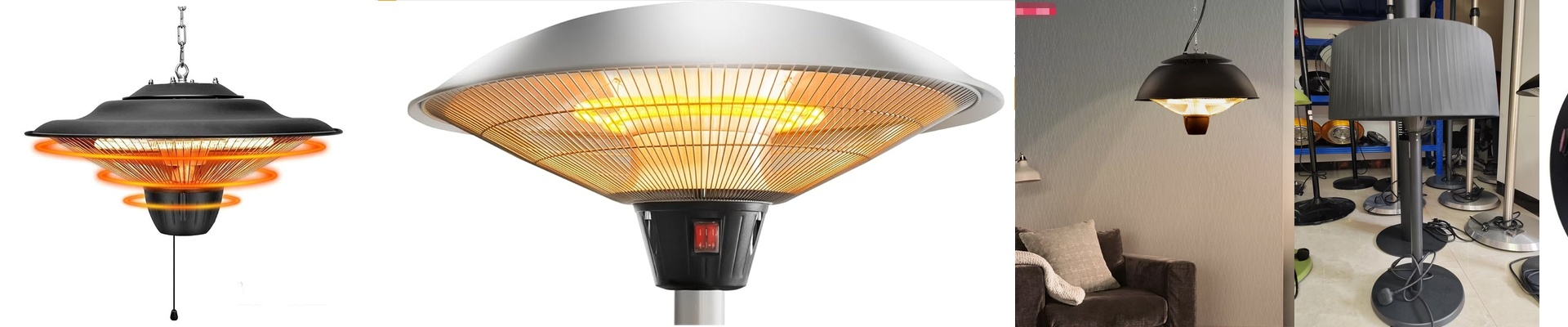

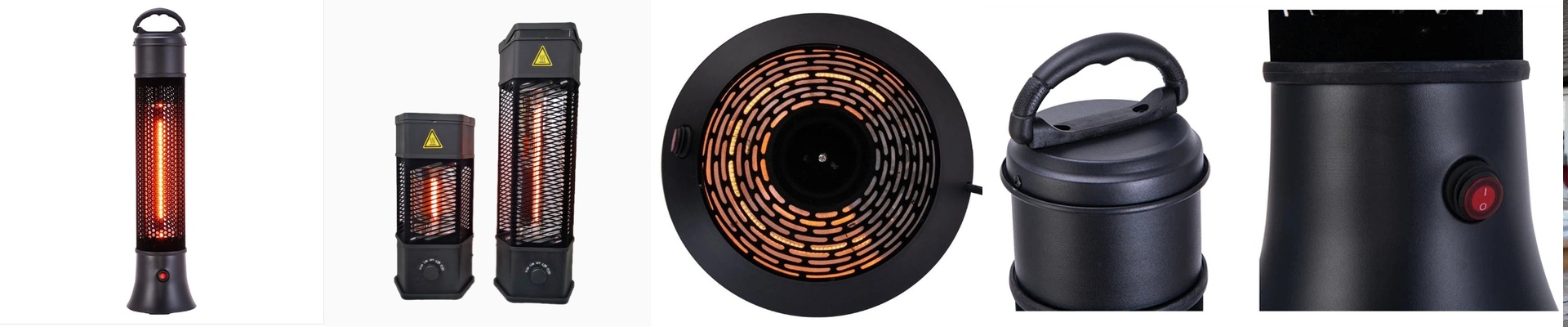
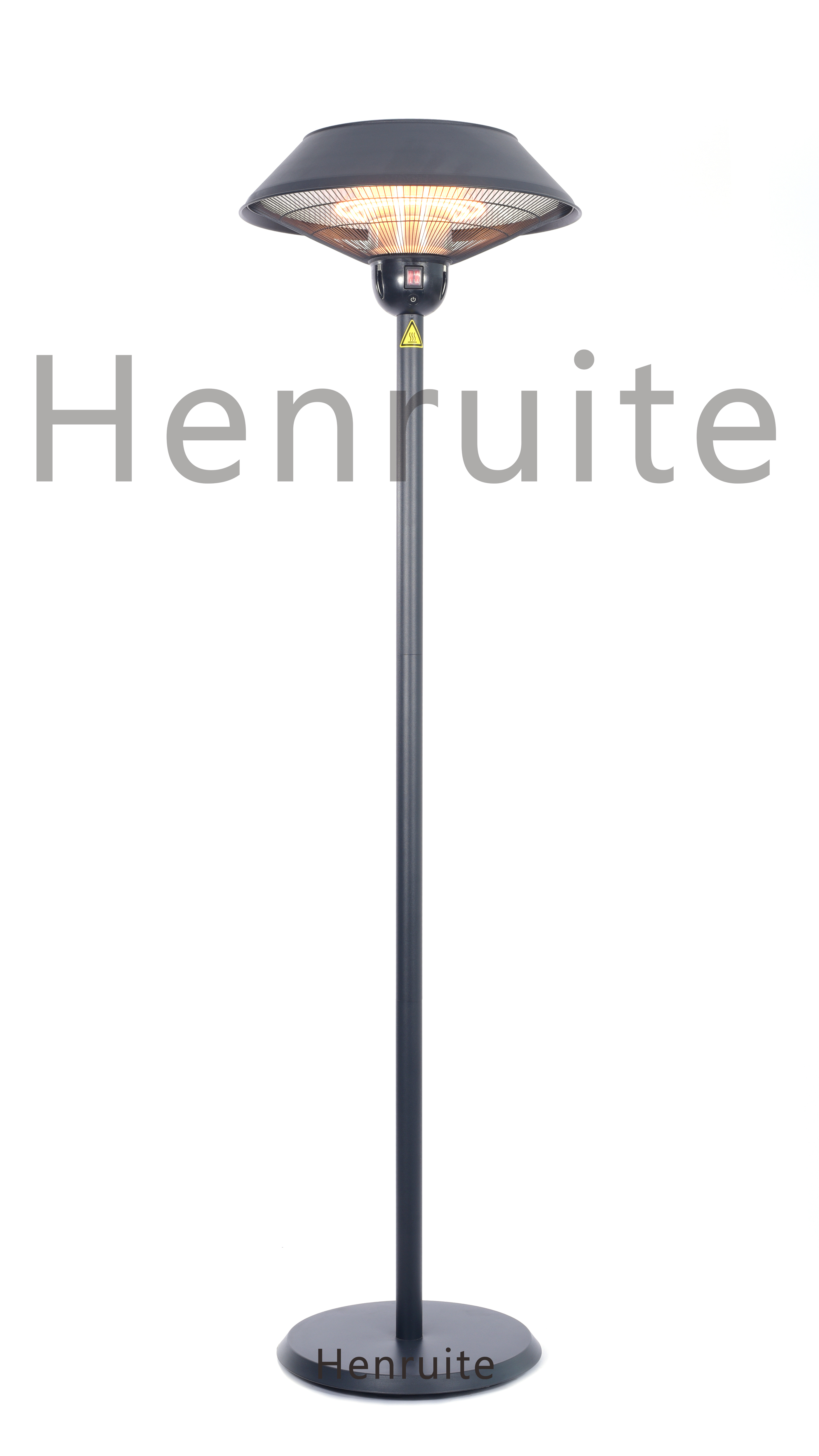
In a hot yoga studio, the air is thick—with intention and with moisture. When the room cools off, bodies seize up. Breath shortens. Poses lose their flow. We built our infrared heaters for that exact indoor environment, so the warmth supports the practice instead of fighting it. What actually matters, technically Infrared warmth isn’t the same as heating air. It heats people and surfaces directly. Inside our units, a carbon fiber element runs efficiently, producing long-wave infrared that penetrates superficial tissue and helps muscles relax. These heaters are sized for indoor spaces, typically drawing 1.5–2.5 kW and running off standard 120V outlets, so you can put the heat where the class needs it—not where ductwork happens to be. A built-in thermostat keeps the feel consistent, and the housing plus protective grill are built to handle a studio’s busy day, week after week. Why this approach fits here In hot yoga or deep-relaxation rooms, you want gentle, even warmth that helps people breathe deeper and let go. Infrared heat does that by warming the body from the outside in, loosening muscles without blasting hot air that dries eyes or breaks the stillness. Because it’s radiant, the room stays comfortable even when humidity is high, and the air stays breathable. Studios also get the advantage of localized control: heat the mat area, keep support rooms cooler, and run lower overall energy use compared with forcing the entire building volume to one temperature. Here are the practical details Infrared heaters perform best with a clear line of sight. Mount them 6–8 feet above the mat area, angle them to spread warmth evenly, and keep a 3-foot clearance from walls and ceilings. They’re great in yoga spaces, but remember—they warm people, not air. In drafty rooms, you may need supplemental air-handling. For safety and peace of mind, look for tip-over protection and follow local electrical codes during installation.