Stepping into a cold train station or grabbing coffee on a windy morning, you feel that kind of chill that punches right through layers. In these busy commercial and transit spots, waiting around for warm air to slowly circulate isn’t an option. People need heat, and they need it now.
What’s actually happening under the hood
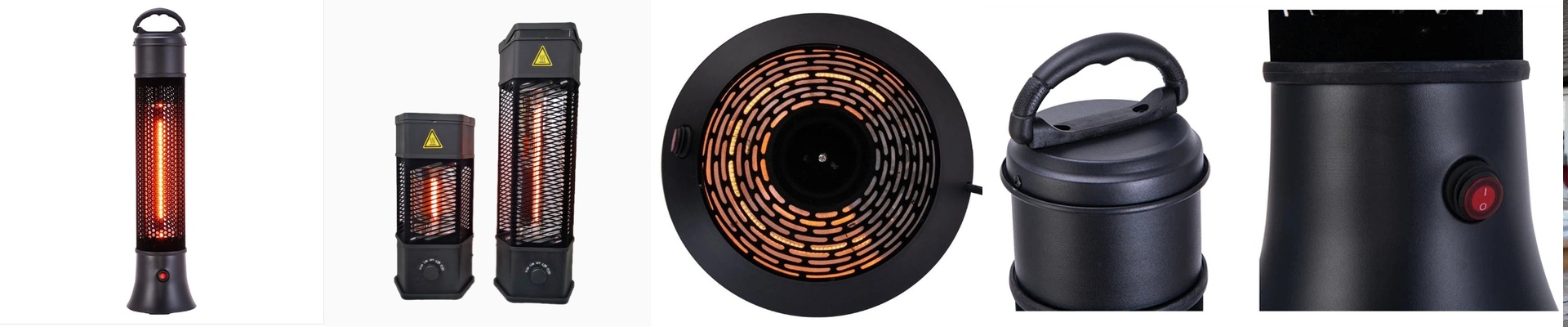
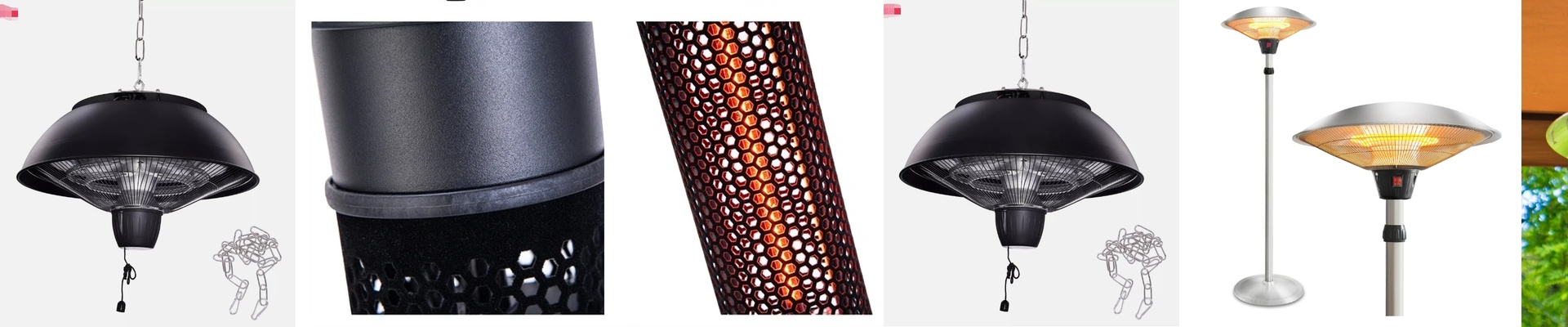
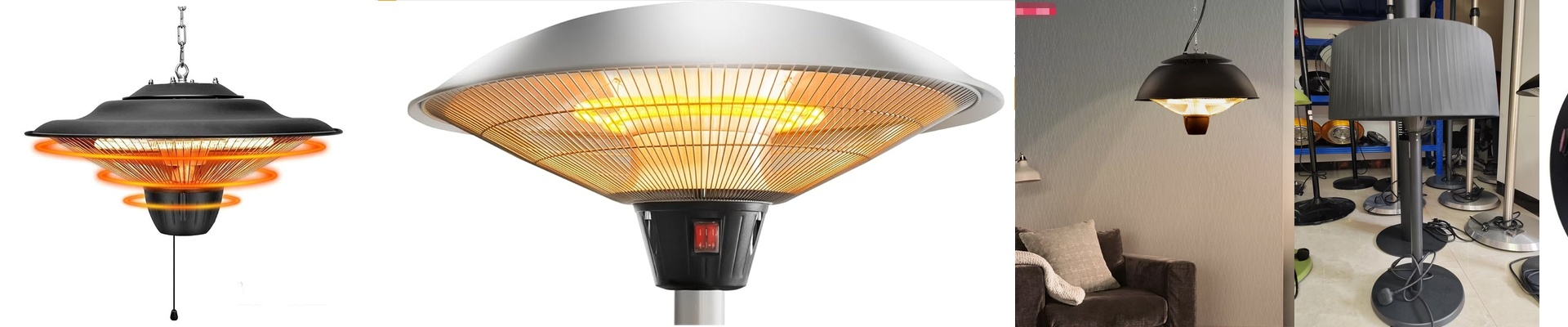
We build our commercial infrared heaters on direct radiant heat. A high-output quartz tube holds a tightly wound element, pushing warmth out as infrared energy—like the sun, just without the UV. People and objects absorb the heat directly, not the air in between. You get an almost instant comfort curve, with units hitting full output in seconds. Most models run on standard 120V or 240V circuits, and we size them to deliver a targeted kilowatt output that matches the space. They’re equipped with thermostats for steady comfort, plus tip-over protection and overheat cutoffs. It’s practical, and it keeps things safe.
Why this fits coffee shops, stations, and transit
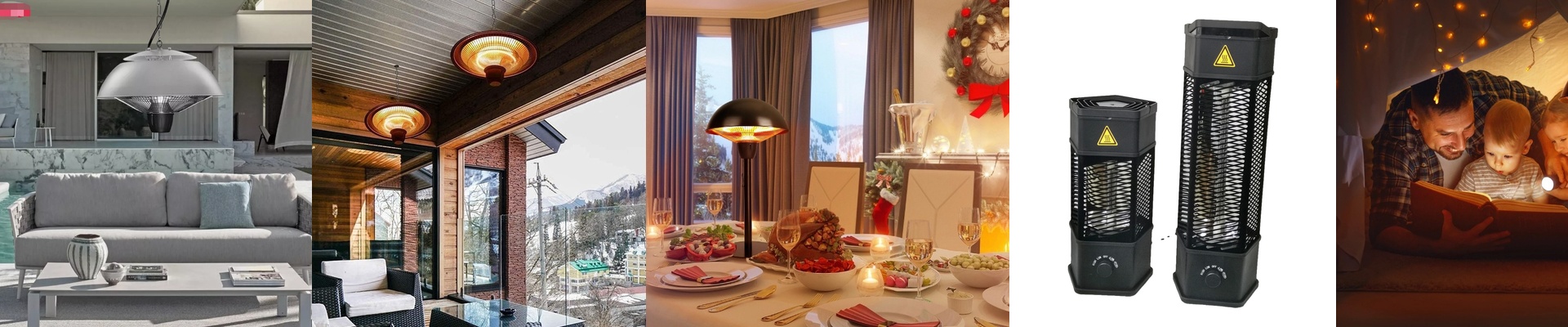
In these places, comfort has to be immediate and local. Radiant heat warms the chairs, counters, and queues—not the entire ceiling. That keeps energy focused where it matters, and it gives customers a reason to linger long enough to finish their drink. People feel the warmth at their core, which helps with circulation and relaxed muscles. The space ends up feeling welcoming, even on the coldest days.
What to keep in mind
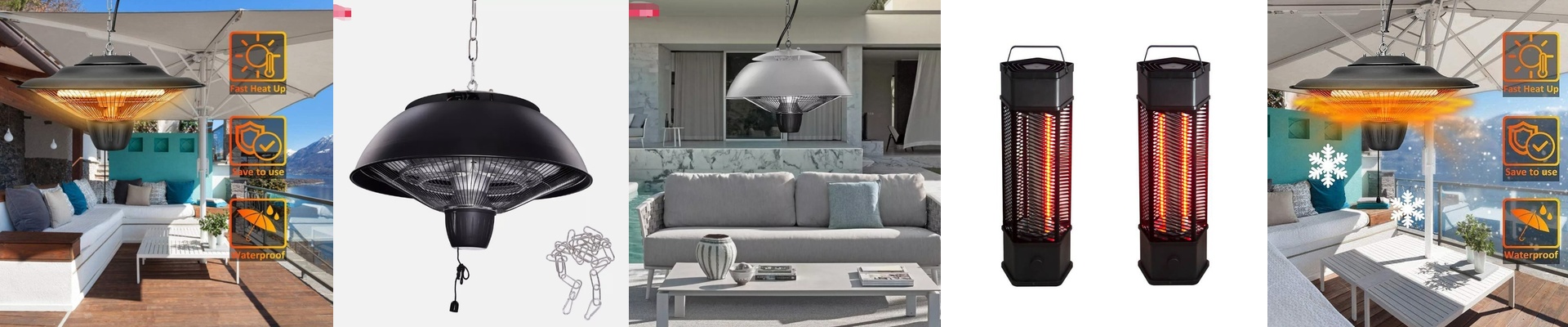
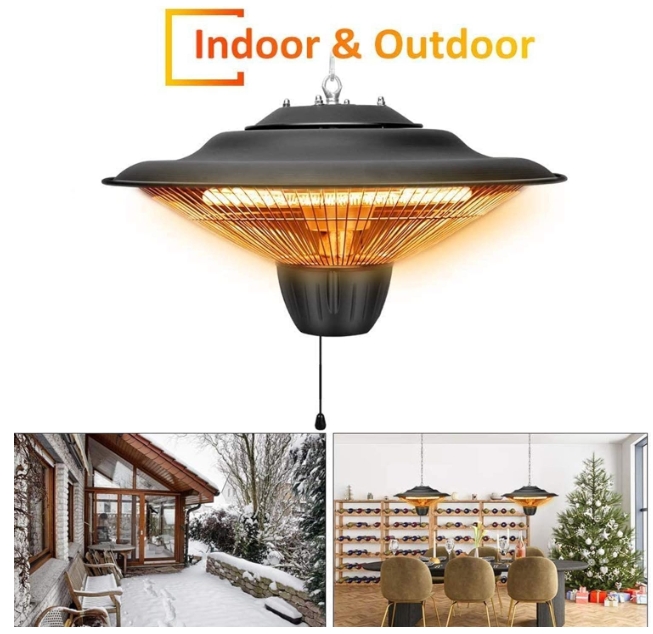
Infrared warmth is directional. Put the heater where people gather, aim it at seating and lines, and you’ll feel the difference. Because it heats surfaces, the air outside the beam can still feel a bit cool—that’s normal for radiant systems. Plan for proper clearances, secure mounting, and a dedicated circuit. Indoors, these heaters are straightforward to install. Outdoors, choose a model rated for damp conditions and keep it protected from driving rain.Clearance and circuit planning are non-negotiable—do those right and the heater just works.