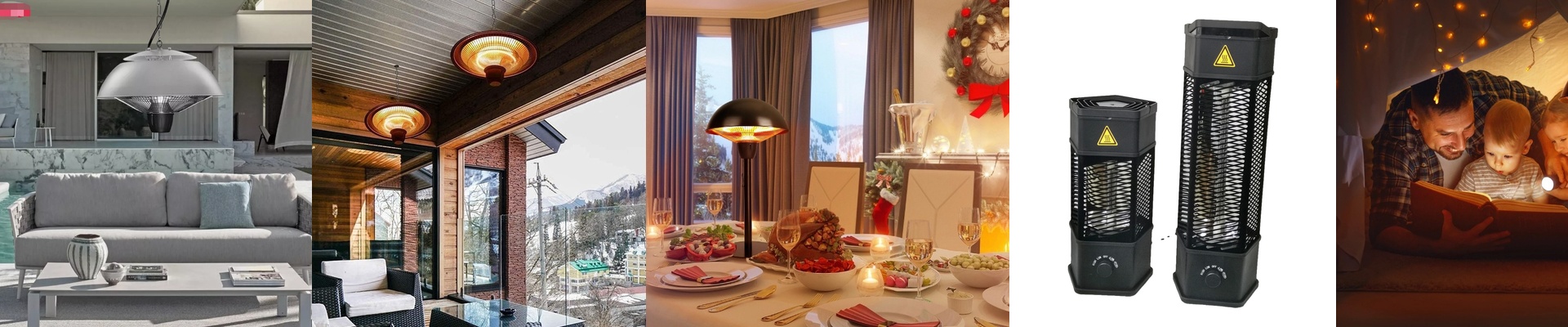
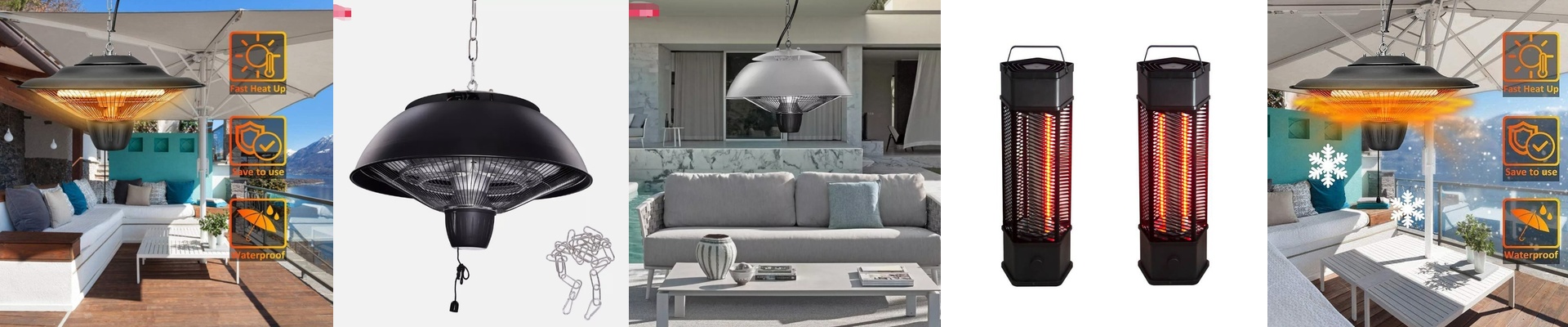
A coffee patio goes quiet the second the air turns sharp. On a train platform, people get restless when the wind cuts right through their layers. In these in-between spots, you can’t wait around for a boiler to spool up or for ducted heat to show up. You need warmth that hits immediately, stays easy to control, and fits the space without noise or fumes.
What matters under the hood
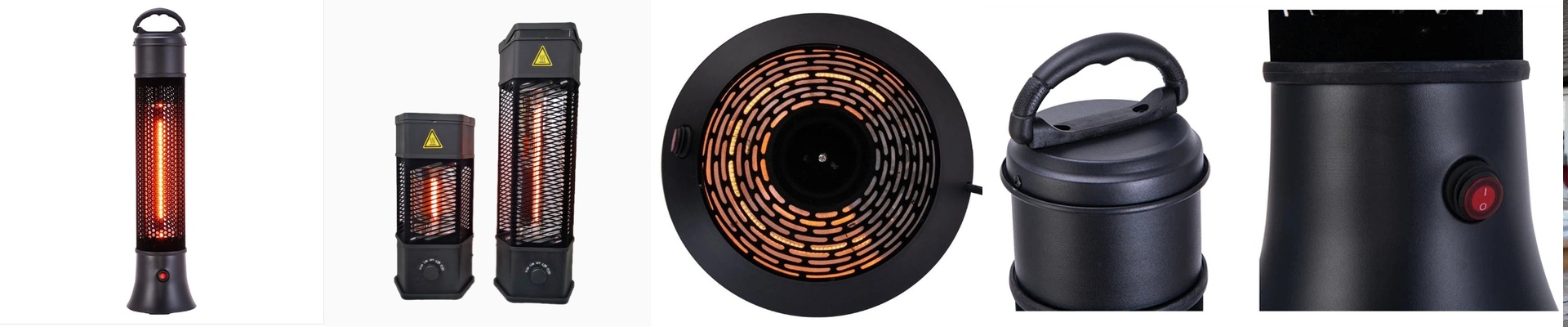
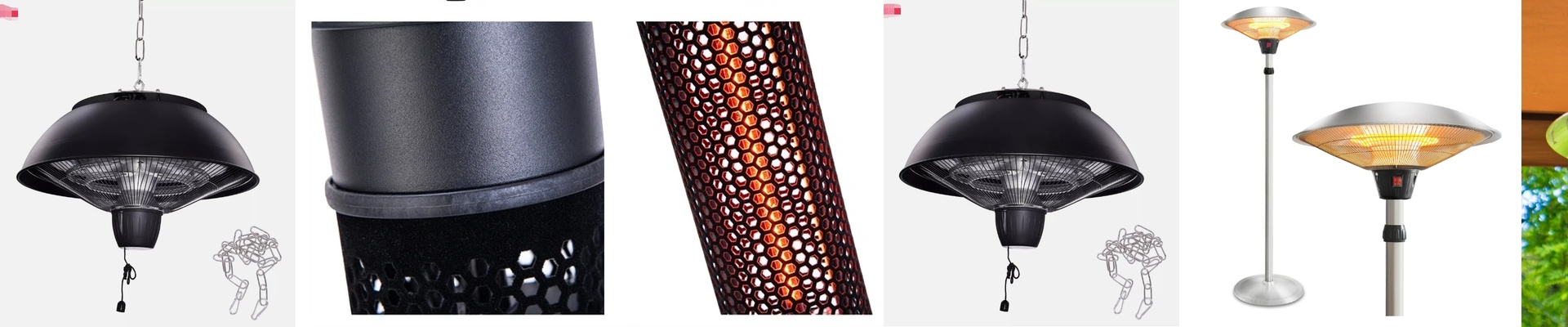
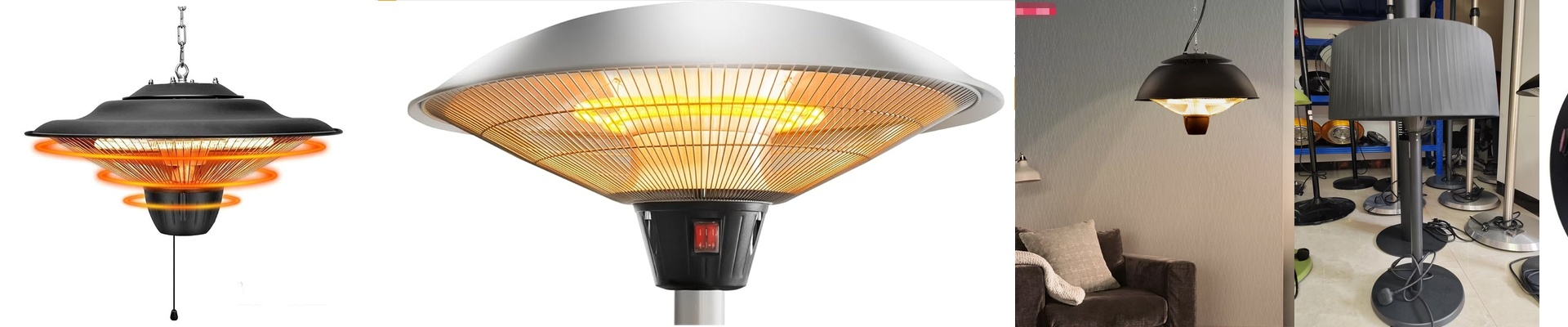
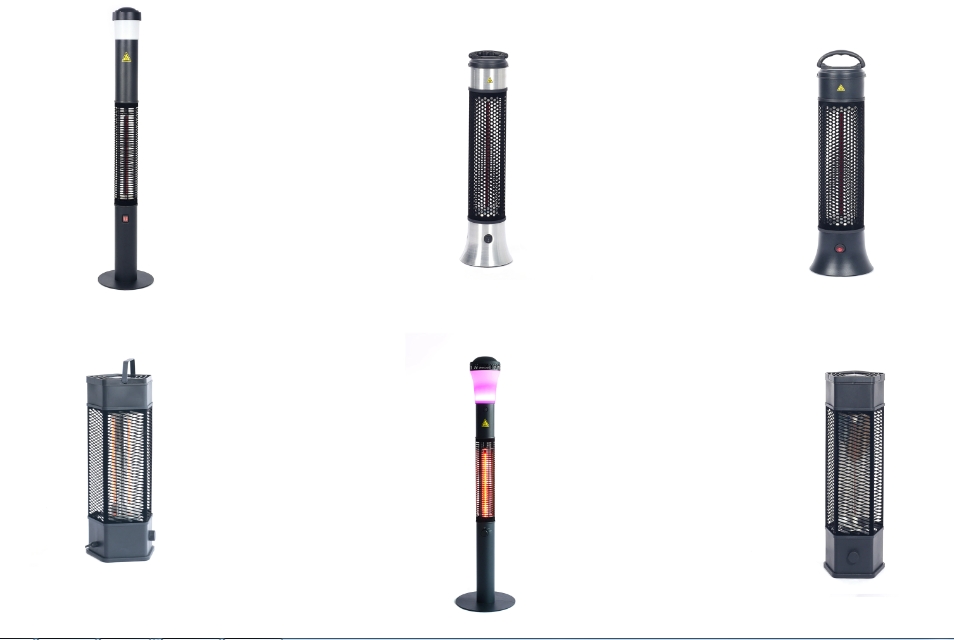
We design these electric heaters to run on 12V and 24V because a lot of commercial and transit sites already use low-voltage for lighting and controls. Matching that voltage keeps installation straightforward—often without needing a dedicated high-voltage drop or extra panel capacity. Inside, it’s infrared radiant heat, delivered by a quartz tube or a carbon fiber element. Instead of heating air, the heater warms people, tables, and surfaces directly. You feel it within seconds, not minutes. Most units are built to keep a small footprint, with a focused heating zone and a thermostat that holds steady comfort instead of chasing big swings. For outdoor use, we spec protective housings and sealed joints to deal with damp weather; the IP rating tells you what spray and dust the design is built to handle.
Why this works in real-world spots
In high-traffic hubs, comfort is really a flow issue. When people are cold, they rush, they complain, and they leave. Infrared warmth changes that dynamic. On a café terrace, guests stick around longer, and staff can keep serving without waiting for the air to warm. On a platform, the first wave of arrivals gets heat right away, which keeps lines calmer and stops everyone from crowding under doorways. Because the heat is radiant, you’re not wasting energy on the sky above or losing it to the wind. You heat the exact spot where people stand and sit, which keeps operating costs predictable. The low-voltage wiring also means you can put heaters where they’re needed—near entries, along railings, above seating—without tearing up the whole electrical system.
The practical stuff you’ll want to get right
Placement matters. Infrared warmth travels in line of sight, so aim the heater where people actually gather, and mount it high enough to spread the pattern without creating hot spots. On 12V/24V circuits, pay attention to wire gauge and run length; voltage drop over long runs can cut output and shorten the life of motors or the heating element. Infrared heaters are quiet and clean, but they do radiate toward nearby objects. Keep clearances clear—curtains, foliage, anything flammable—and choose a model with overheat and tip-over protection for peace of mind. When it gets really cold, pairing a radiant heater with a small air-movement unit can help when the air itself feels biting. Done right, these heaters turn transition spaces into places people actually want to pause—warm, comfortable, and taken care of.