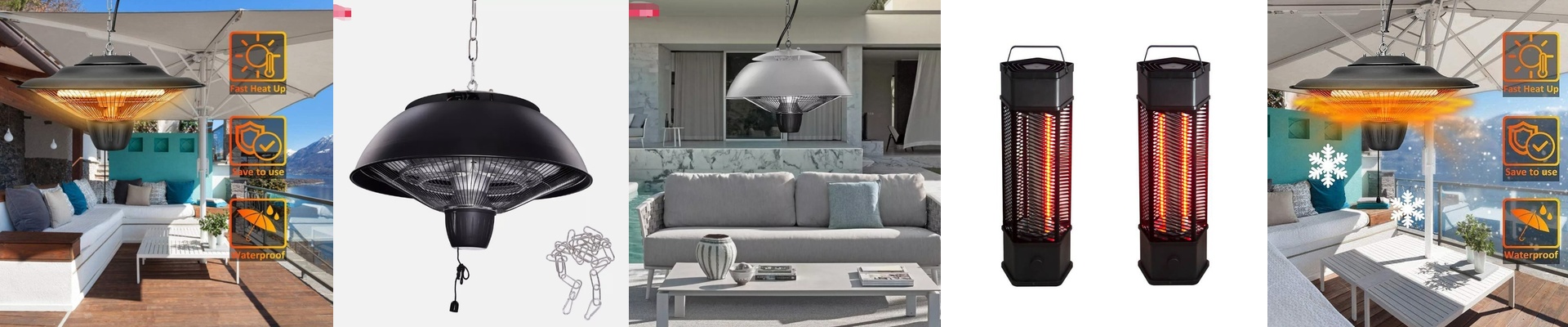
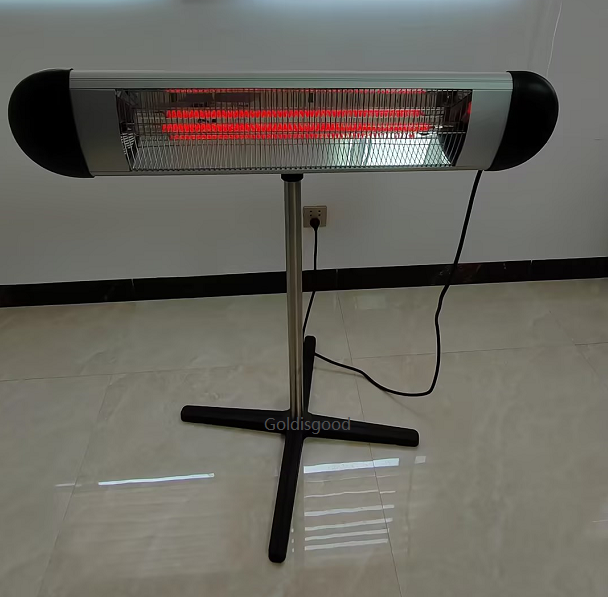
Basements tend to get treated like the thermal afterthought in a house. You kick on the forced-air unit, wait for the space to turn over, and watch the energy costs climb while the air stays damp and stubbornly cold. The real challenge isn’t just getting it warm—it’s getting it warm without throwing money away.
What matters, technically
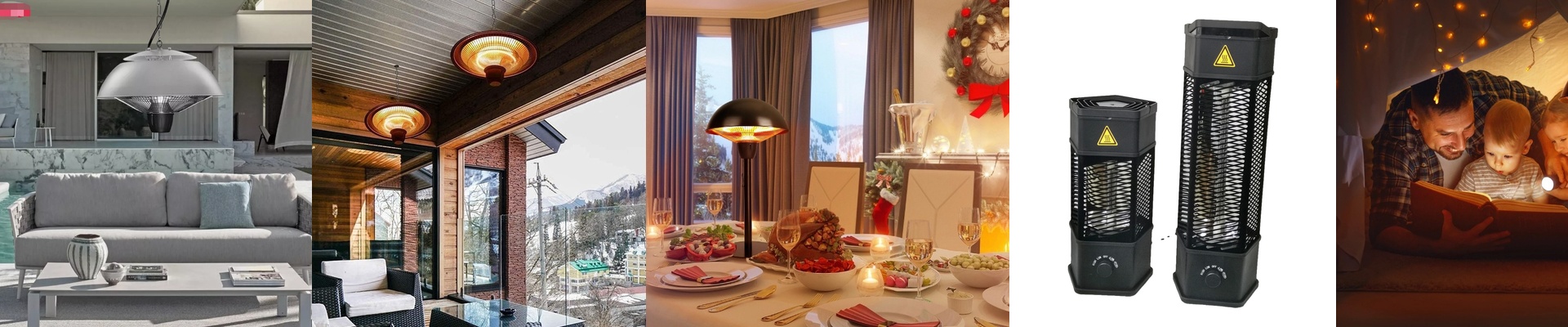
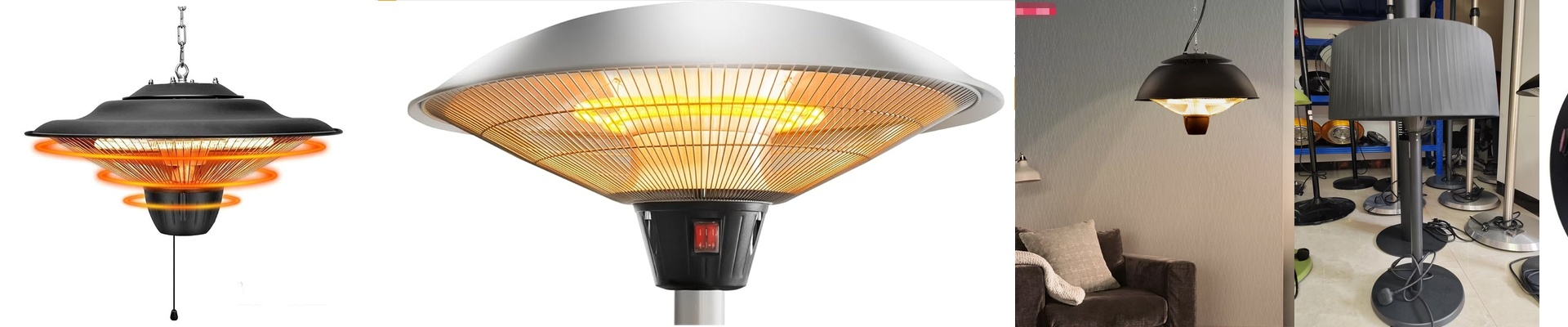
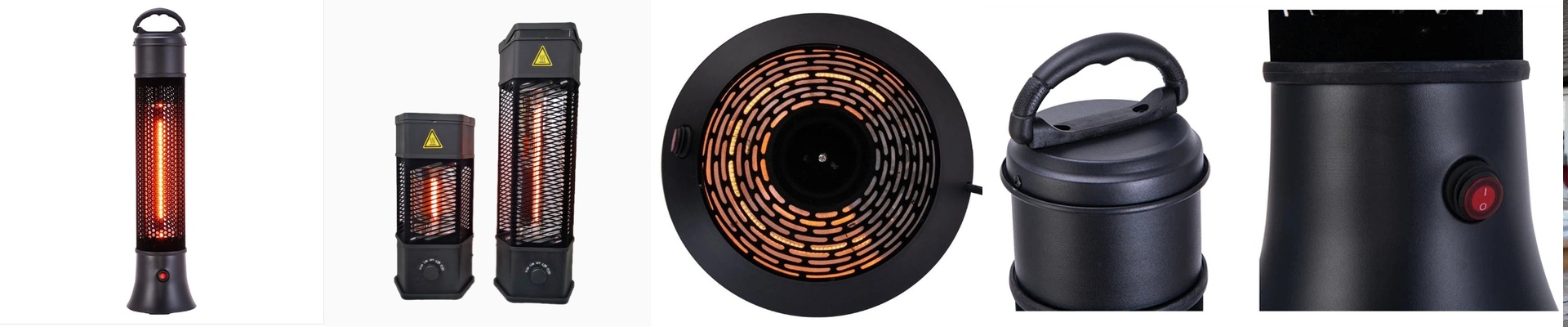
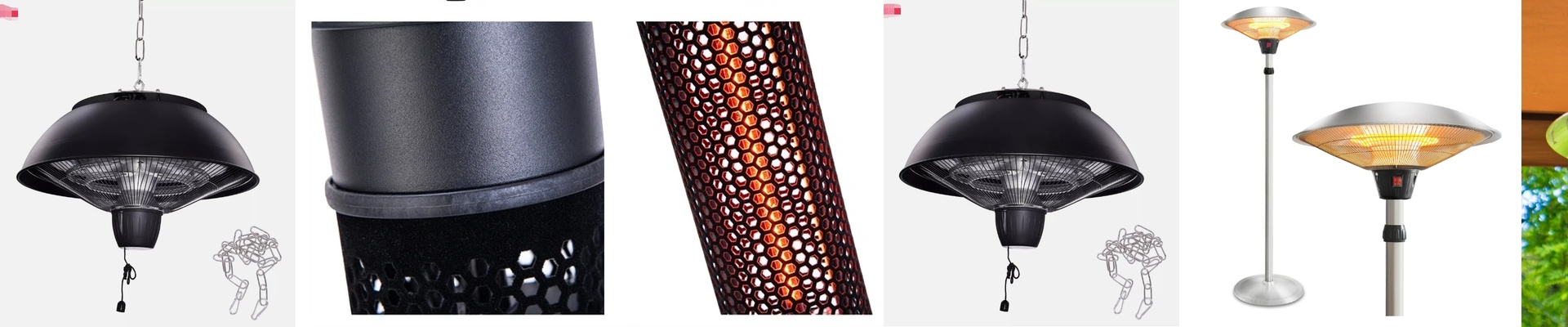
Infrared electric heaters deliver comfort the way radiant heat always has: they warm people, floors, and furnishings directly—just like the sun heats surfaces without first heating the air between. In a basement, that means you feel warmth where it counts, not just where the thermostat happens to be. We pair that principle with a carbon fiber element and a reflector assembly that pushes more energy outward, so less of it gets lost to the surrounding air. The payoff is targeted radiant heat that, in similar spaces, can cut total heating energy use by up to 30% compared with conventional electric convection heating.
Why this approach fits basements
Basements are usually low-traffic, thermally isolated, and prone to cold floors. Infrared warmth comes on fast, so you don’t have to pre-heat for long. You get a steady, even feel across the floor and walls, which helps you avoid overheating the whole space just to compensate for chilly spots. Because the heat transfers directly, you can keep the overall thermostat setting lower and still stay comfortable—and that’s where the energy savings show up. For you, it means lower monthly bills and a basement that feels usable sooner.
The details that make it work
Infrared heat is directional, so placement matters. Mount the heater high on a wall or in a corner where it can sweep across the main seating area for the best coverage. Most models plug into a standard outlet, but if you’re running multiple units, plan for a dedicated circuit. Otherwise, you’ll be chasing nuisance tripping. And keep this in mind: infrared does not dehumidify. In a very damp basement, pair the heater with a dehumidifier to get the air feeling truly comfortable.