
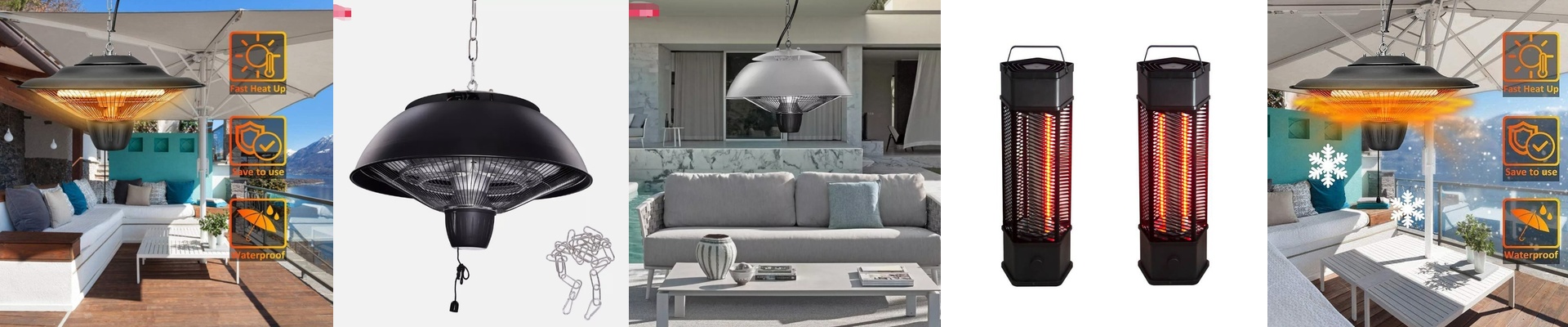
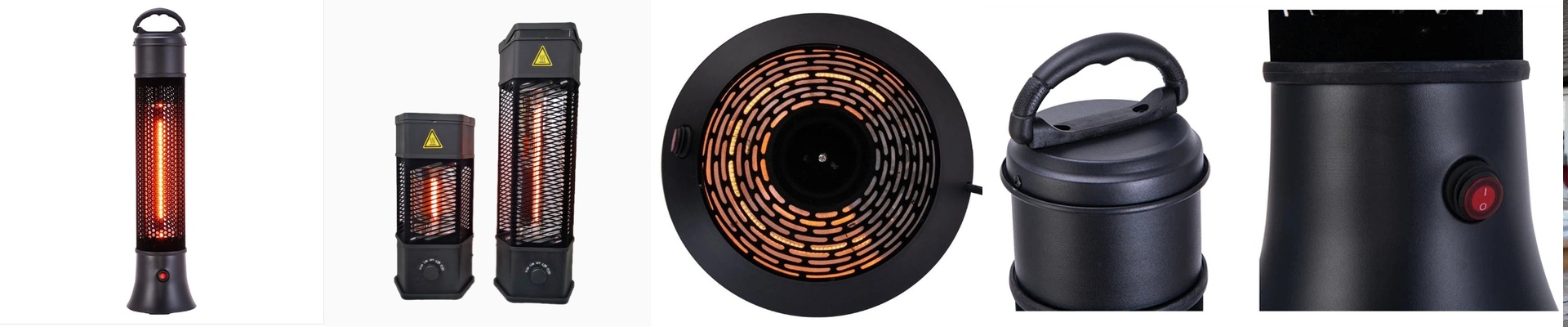
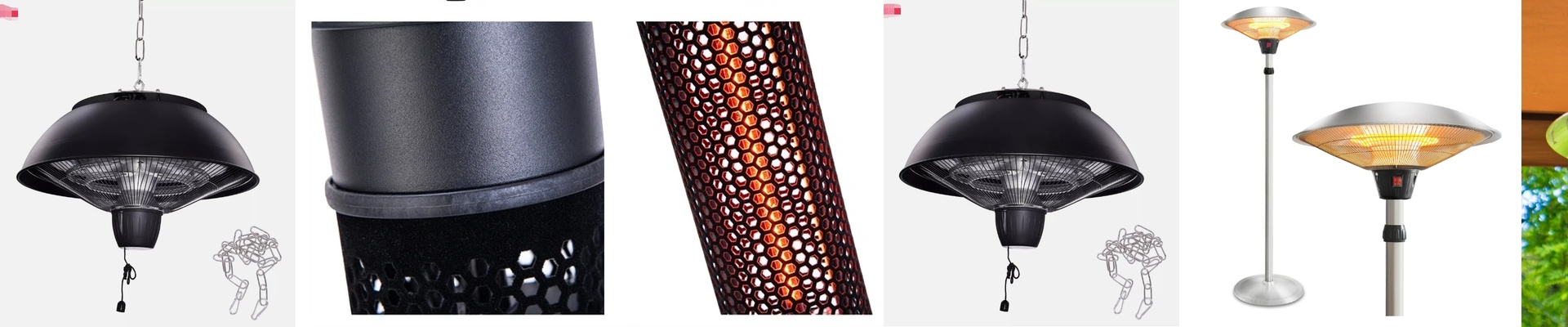
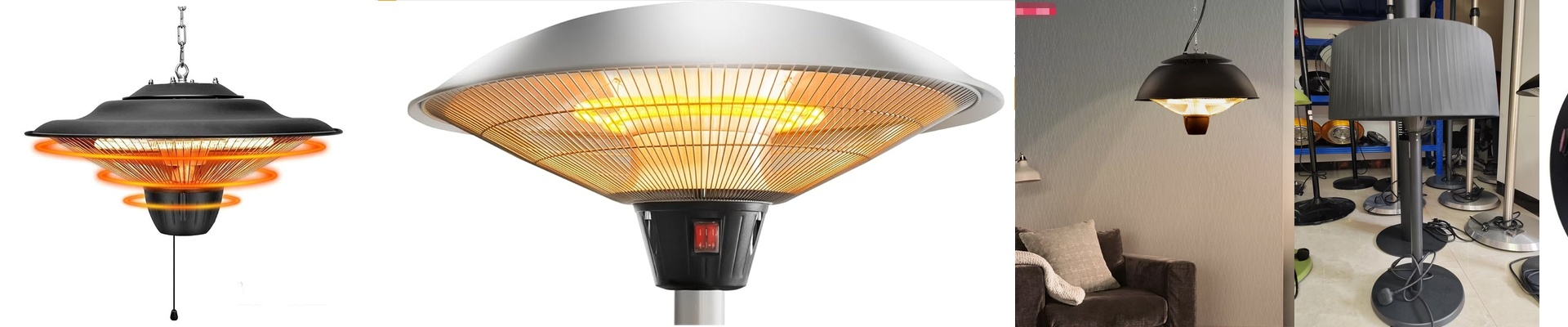

That basement dampness that clings to you isn’t just uncomfortable. It’s the kind of chill that soaks into furniture, makes walls feel clammy, and quietly drives up your energy bill because the space never really feels warm. Convection heaters move air around, but they don’t fix the surface feel. That’s where a wall-mounted quartz infrared heater earns its keep.
What matters under the hood
Quartz infrared heaters deliver radiant warmth. Picture gentle, directional heat that travels outward and warms people and objects directly—not just the air. Inside, a quartz tube houses the heating element, which comes up to temperature fast and holds steady. Most residential models are low-wattage electric heaters, typically 400–800W, so they run on standard outlets without tripping the circuit. You get targeted warmth where you need it, with a thermostat that keeps things stable, and a compact profile that’s made for wall mounting.
Why it fits basements
In a basement, comfort boils down to warmth and dryness. Quartz infrared heat cuts through that clammy feeling by warming the surfaces around you. As those surfaces warm up, condensation has less chance to form, and the room feels drier—without pretending to be a dehumidifier. Because the heat is radiant, you feel the benefit the moment the unit kicks on. That can mean shorter run times compared to waiting for air-based heating to catch up. Wall mounting also clears floor space, which matters in tight utility rooms, workshops, or finished rec rooms.
The practical stuff
Quartz infrared heaters are straightforward, but placement matters. Mount the unit at a comfortable height so the warmth spreads across the main activity zone, and keep it clear of stored items for airflow and safety. Most units are electric and plug-in. If your basement runs higher in humidity, choose a model with appropriate protection and follow the spacing guidance in the manual. **Radiant heat feels best when it reaches the people in the room.**If the space is open and drafty, pair the heater with gentle air movement instead of just cranking the wattage.