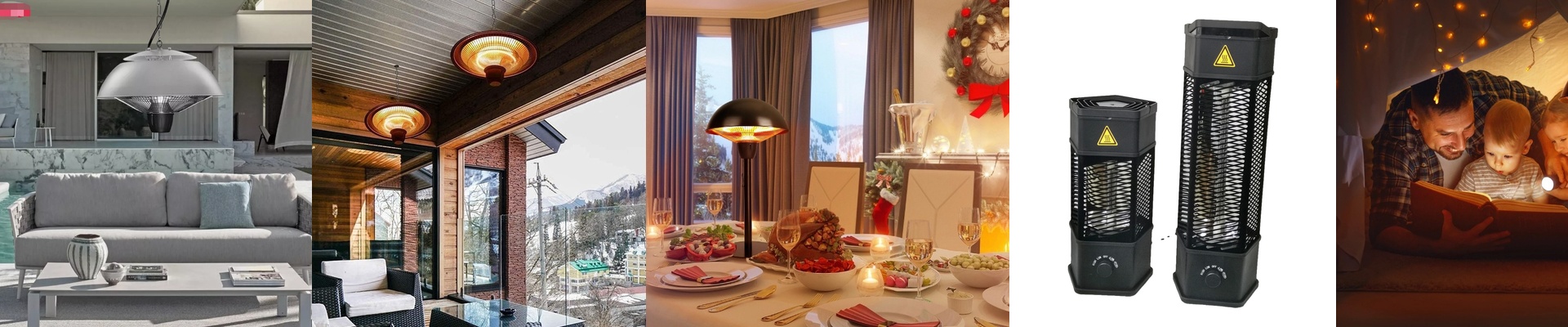
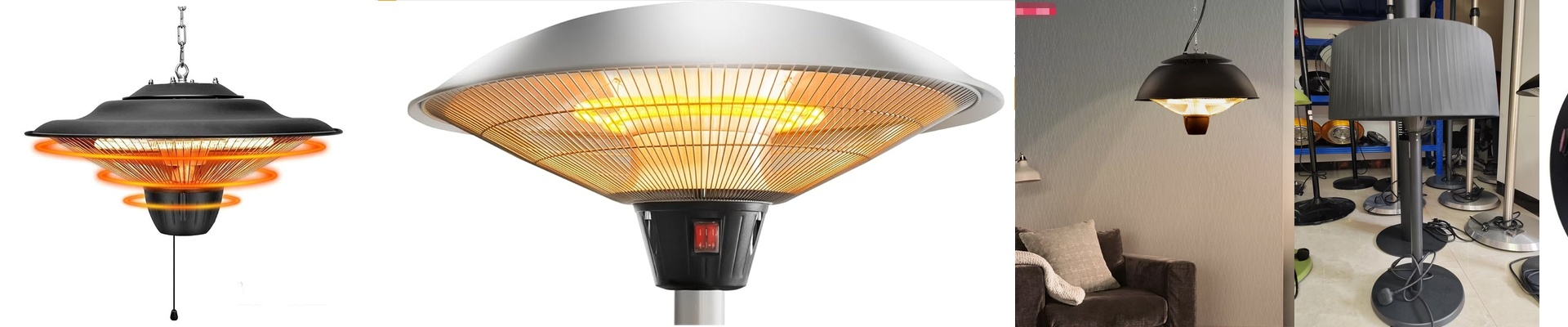
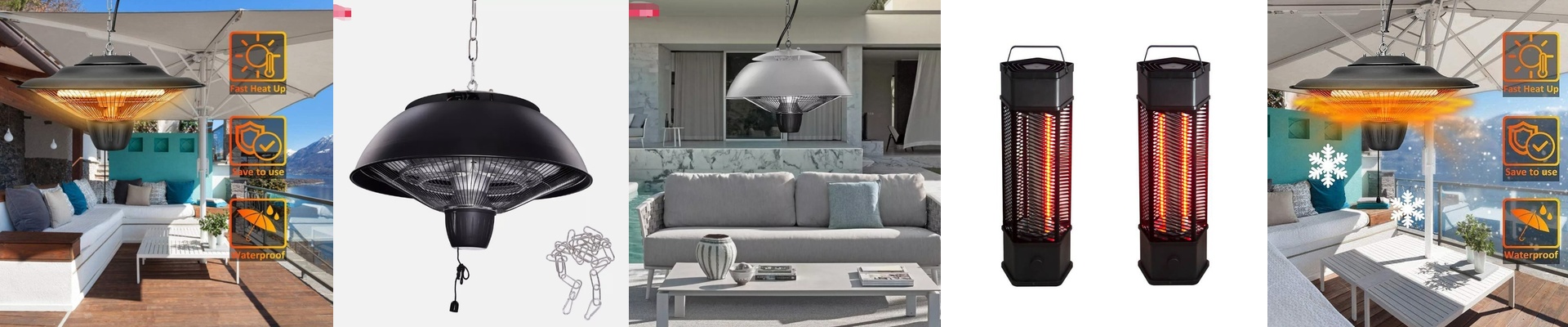
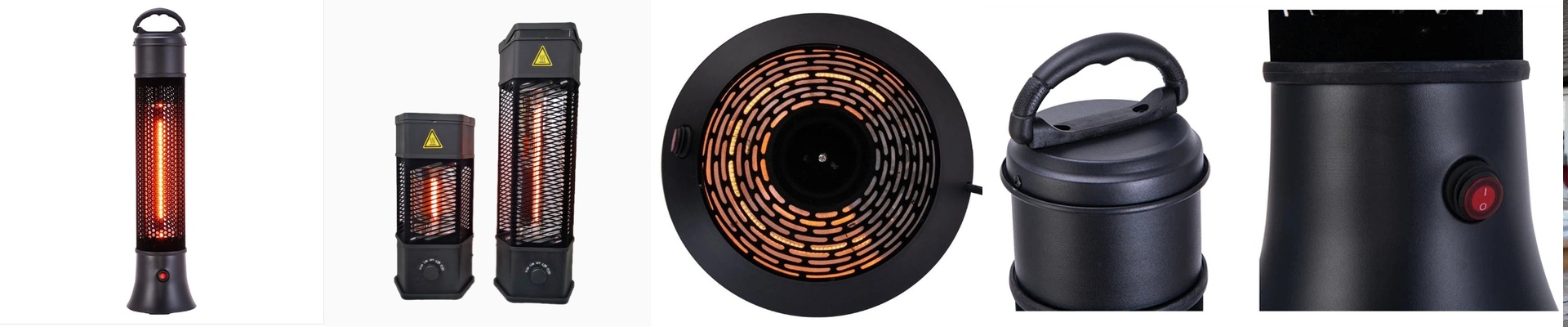
Municipal buildings—schools, community centers, public workshops—routinely get hit with big winter heating bills. When the budget tightens, the question isn’t just how to keep people warm. It’s how to stop costs from running away. Infrared greenhouse electric heaters cut straight to that problem with a solution you can measure.
What matters under the hood
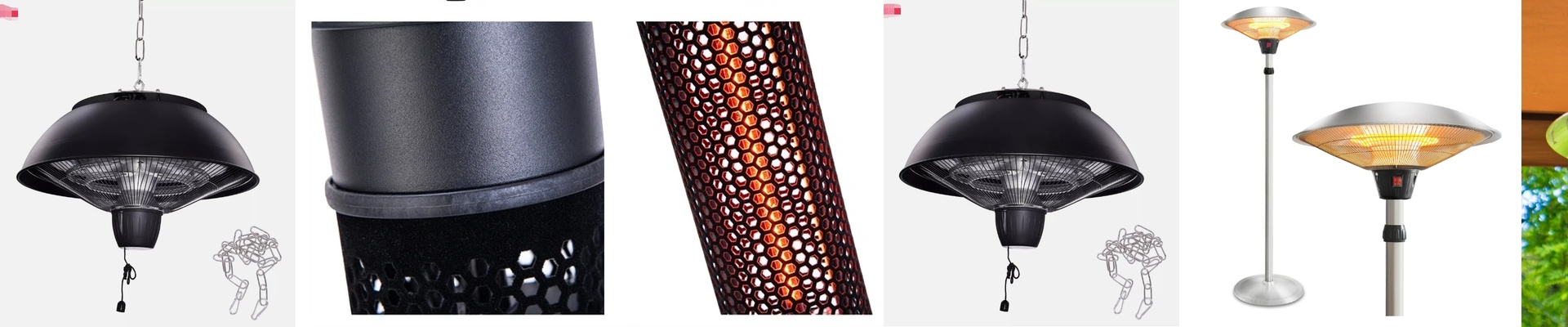
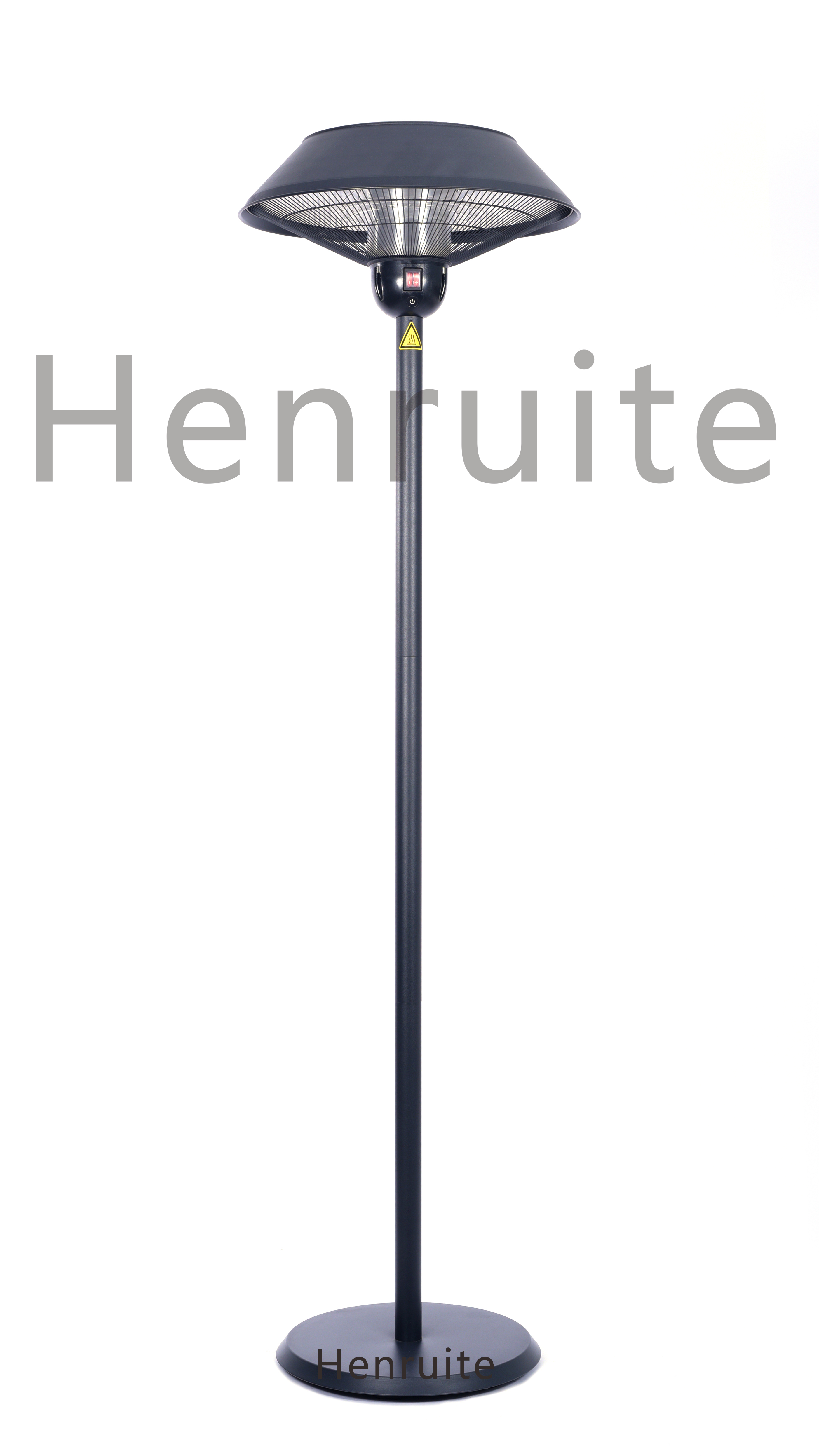
We build these units around medium-wave infrared tubes—usually quartz with a carbon-fiber core. The payoff is fast, radiant warmth that moves at the speed of light, heating people and solid surfaces first, not the air around them. Output is set in kilowatts, with common models running 2 kW to 4 kW on standard 230 V circuits. A built-in thermostat holds the setpoint steady. IP ratings—typically IP34 to IP55—keep dust and splashes out, which is exactly what you need in greenhouses, covered walkways, and workshops. For safety, tip-over protection cuts power if a unit gets knocked off its base, and the exterior grill stays cool enough for accidental contact.
Why this approach fits public facilities
Public buildings tend to spread heat across large, drafty spaces. Convection systems end up chasing air that keeps leaking out, so the boiler runs long and hard. Infrared greenhouse heaters put warmth where it’s needed, making high ceilings and open bays usable without trying to heat the entire volume. In practice, you get faster warm-up, more consistent comfort at floor level and around workstations, and shorter run cycles. Those shorter cycles mean fewer kWh, and that shows up as a cleaner line item in the annual budget. Maintenance is straightforward too—no ductwork to clean, no water lines to leak, and tubes that are easy to swap when it’s time.
The practical details that make it work
Infrared heats solid objects, not air, so drafts still matter. Place units to cover entry points and the main activity zones, and pair them with wind-blocking screens or curtains in greenhouses to tighten things up. Match the heater’s kW rating to the room’s heat loss and how the space is used; undersizing just stretches run times, while oversizing can create hot spots. Most units are hardwired, so plan for dedicated circuits and the right mounting height. Get the placement right and you end up with steadier comfort, fewer complaints, and a heating bill that stays predictable.