

Why We Put Our Heaters Through the Wringer
Here’s the truth: we put our bathroom infrared heaters through some seriously tough aging tests for one simple reason—we want them to keep working, long after you’ve installed them. Think about where these lamps live. Pergolas and bathrooms are brutal environments. Constant moisture, wild temperature swings, condensation building up day after day. If a lamp can survive that kind of beating in our test lab, it’s going to handle whatever real life throws at it without giving up early.
What’s Under the Hood
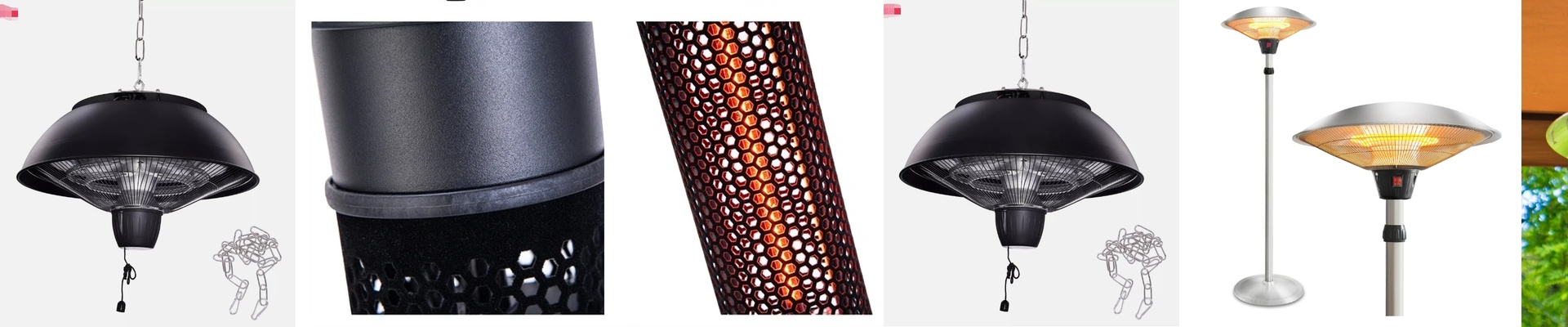
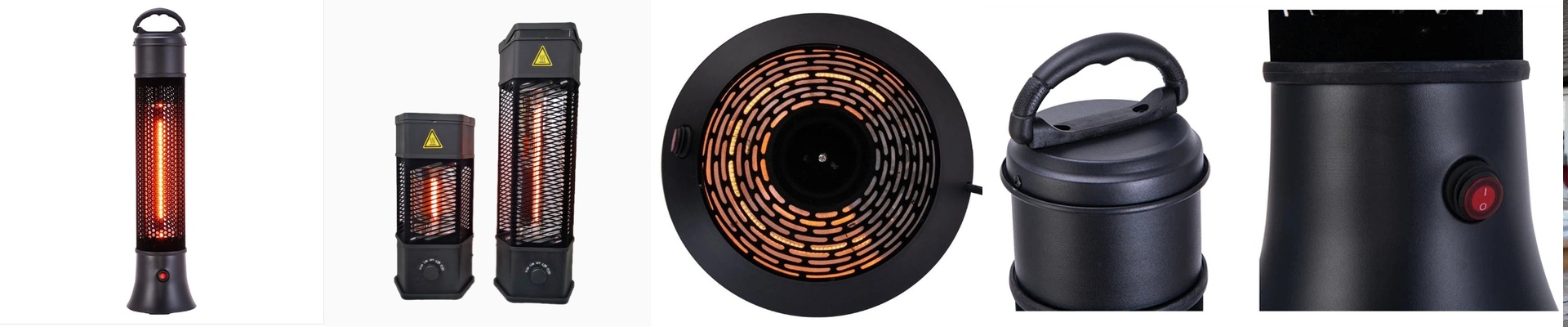
Infrared heaters for outdoor pergolas are all about packing serious heat into a small space. We’re talking 220–240V or 400V, with wattages ranging from 1500W to 2500W, all packed into a unit around 300mm long. That’s a lot of power in a tight package. And that power puts real stress on the quartz tube, the filament, and every single joint inside. High voltage and high wattage mean more current and faster heating and cooling cycles. So before any of these units ever get near your job site, we bake them and steam them. It’s how we prove the internal joints and seals can take the heat—literally.
The Stuff That Matters
We choose quartz for the outer shell because it handles sudden temperature changes like a champ and lets infrared energy pass through easily. Inside, you’ll often find a halogen element, which gives you steady, reliable heat and a long lifespan. But here’s the part that really matters: keeping moisture away from the electrical bits. That’s why we use a waterproof coating or a fully sealed housing. And the connectors? We stick with R7s and SK15. They can handle the high temps, hold their grip, and let you wire everything up cleanly—even in tight spots—without needing extra tools. These aren’t just details. They’re the difference between a heater that just works and one that keeps you on the phone with a service call.
How It Works in the Real World
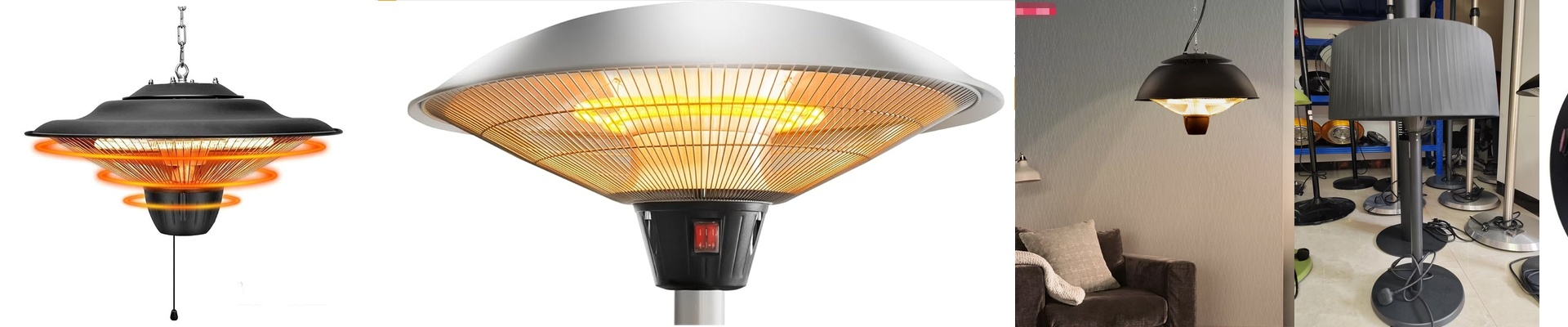
When you’re heating a pergola, you don’t want to warm up the air. You want warmth right where people are sitting. Infrared gives you that direct, focused heat. But that power comes with a trade-off: the source gets hot. So you need to plan your mounting with enough clearance and proper ventilation. And always run the wiring exactly as specified, making sure your control circuit can handle the initial surge of power. When you choose an infrared heater that’s been through those brutal moisture and heat tests, you’re not just buying a product. You’re buying peace of mind. Fewer callbacks. Less downtime. And a job that gets done right the first time.