Dealing with the Damp: How We Build IP66 Infrared Heaters
If you’ve ever installed outdoor heating, you know the two things that constantly try to kill your equipment: moisture and condensation. It’s a battle. We build our IP66 heaters specifically to make sure water never even gets a chance to touch the wiring or the heating element.
What “IP66” actually means for you
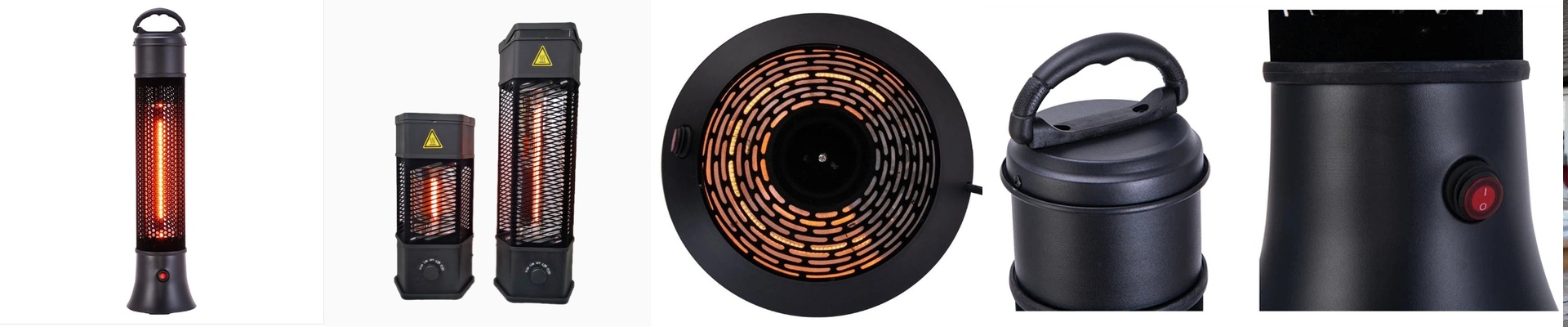
In plain English? It means the unit is dust-tight and can handle a direct hit from a powerful water jet without breaking a sweat. We don’t do this with fancy tricks. We just use heavy-duty gaskets and sealed cable entries. It keeps the splashes out so you aren’t dealing with short circuits every time there’s a storm. But here’s the thing: fog and condensation are a different beast. When a heater cools down in a humid spot, little water droplets form on the quartz tube. If those droplets are still there when the heater kicks back on, the sudden heat can actually crack the glass. That’s a nightmare. To stop that, we tweaked the housing shape and added anti-fogging coatings to shed water fast. We keep the tube dry, so it doesn’t burn out before its time.
The trade-offs (Keeping it real)
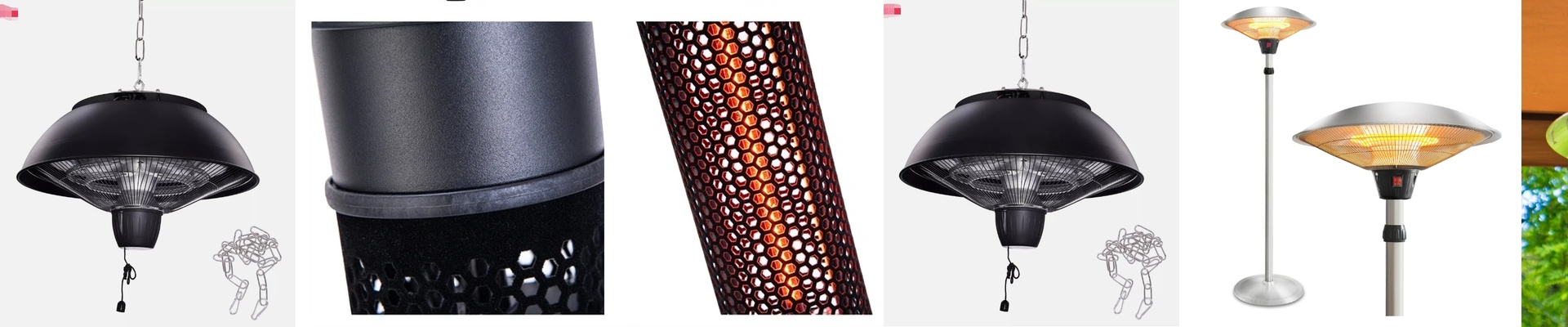
We use high-grade quartz glass and alloys for the reflectors that can take a beating from salt air and rain without pitting or rusting. But look, there’s a trade-off. To get that IP66 seal, we have to tighten up the chassis. This means natural airflow is a bit more restricted than you’d find in an open-frame model. Because of that, the inside of the housing gets hotter. Just keep that in mind when you’re picking your mounting brackets and surrounding materials—make sure they can handle the extra ambient heat.
Where this actually works
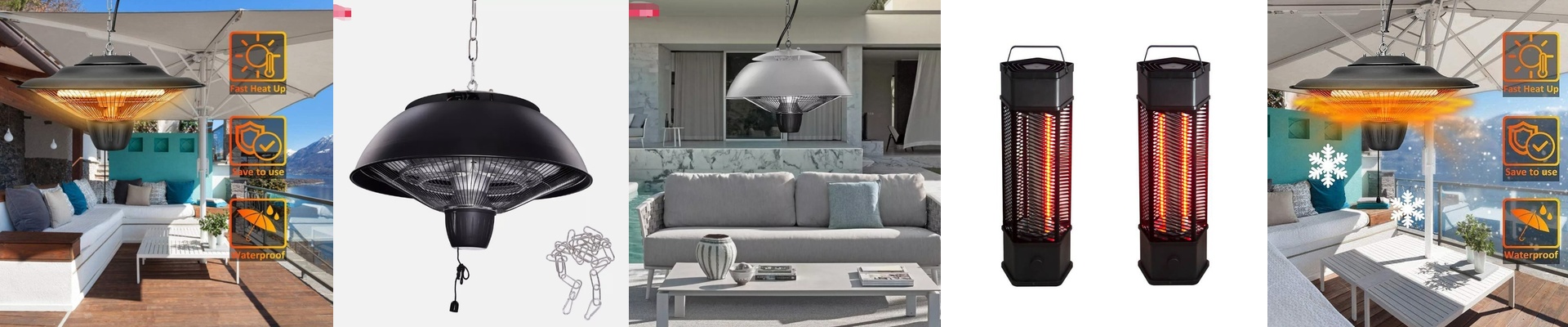
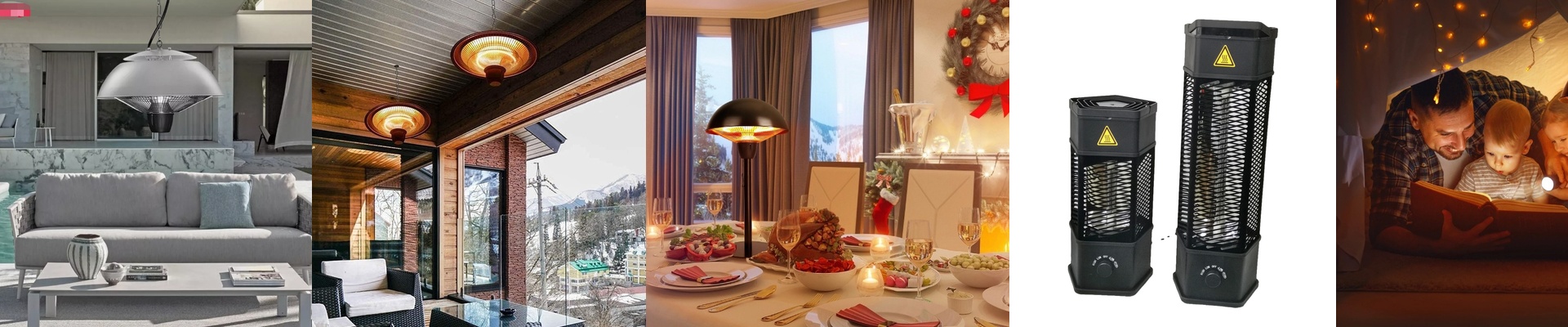
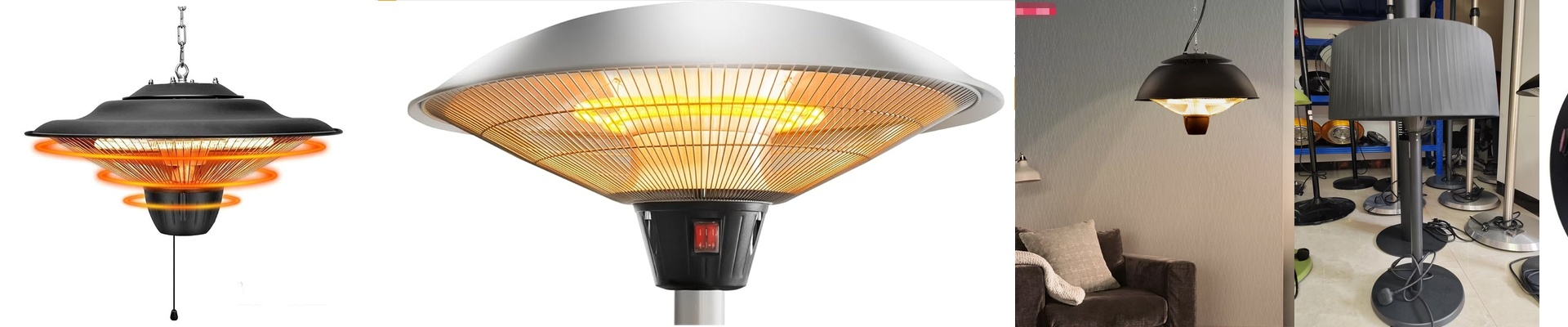
These are the units you want for loading docks, outdoor patios, or industrial areas where you’re constantly hosing things down. By locking out the water, we’ve pushed the lifespan of the wiring and the heating element much further. You get a piece of gear you can just drop in and forget about. No constant maintenance. No hunting for blown fuses because of a moisture short. It just makes the whole install easier and saves you a lot of money and headaches over the next five years.