How to actually warm up a freezing changing room
Let’s be honest: there is nothing worse than stepping out of a shower into a bathroom that feels like a walk-in freezer. If you try to fix this with a standard heater, you’re fighting a losing battle. Air takes forever to move, and by the time the room feels “warm,” you’ve already frozen. That’s why we use shortwave infrared. Instead of trying to heat up all the air in the room, this stuff works like the sun. It sends out energy that hits your skin and clothes directly. You don’t wait for a furnace to kick in. You just step into the beam andboom—you’re warm. Immediately.
The gear under the hood
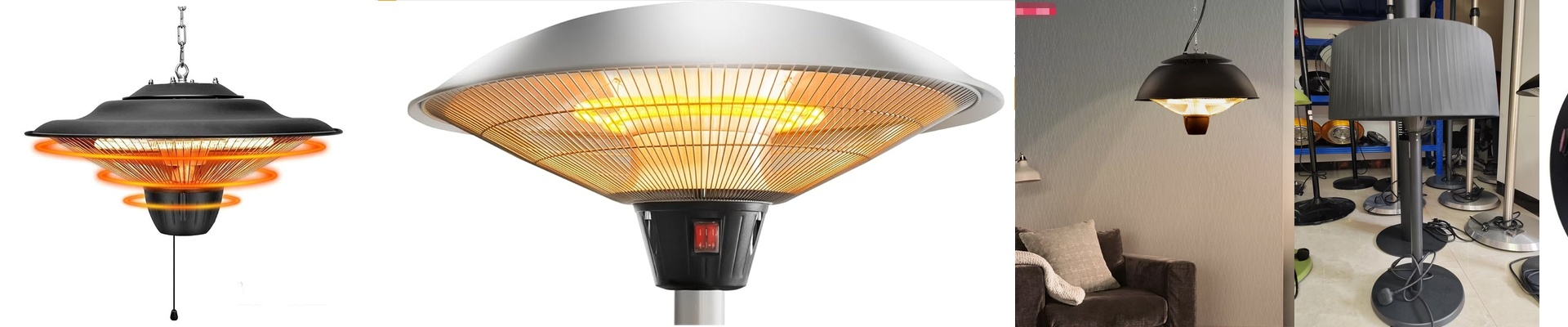
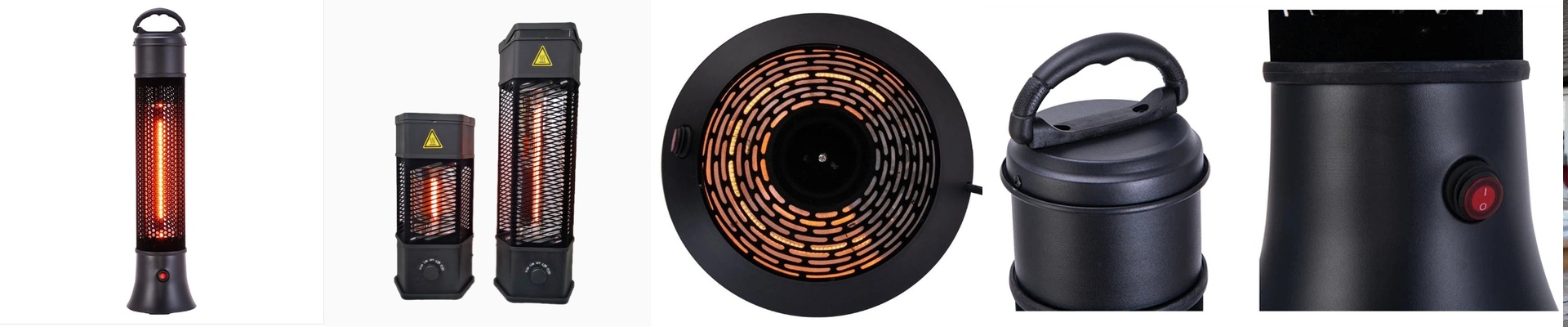
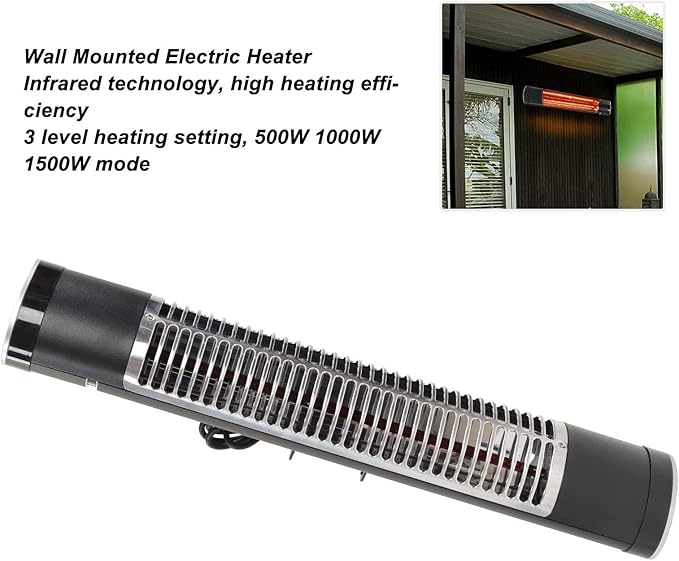
We usually go with quartz halogen emitters for these wall units. We pick them because they pack a punch. In those big, open-concept bathrooms where there’s always a draft, you need something strong enough to cut through the chill. Since it’s shortwave IR, the heat sinks deeper into your skin. It’s the difference between a lukewarm breeze and that instant, cozy glow you feel the second you turn them on.
Dealing with steam and wires
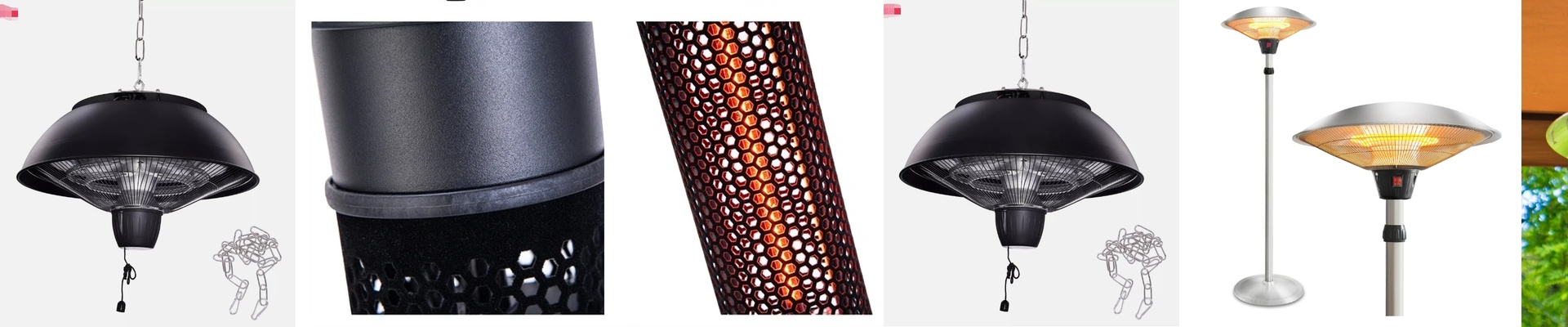
Bathrooms are brutal on electronics. Moisture gets everywhere. To stop everything from rusting out, we wrap those quartz tubes in powder-coated aluminum reflectors. These do two things. First, they bounce the heat forward so you aren’t accidentally baking the wall. Second, they keep the steam from eating the hardware. A quick heads-up on the electrics: these run on standard 220V-240V circuits, but they’re thirsty. They pull a lot of power. If you’re installing a row of four or more, double-check your breakers. You don’t want the power cutting out right when someone is half-dressed and shivering.
The reality check
Now, here is the catch. Radiant heat is directional. If you step out of the beam, the warmth disappears. It’s not meant to keep the whole room at a steady 72 degrees; it’s for that specific spot where you’re drying off. It’s “point-of-use” warmth, plain and simple. Also, those quartz tubes gethot. Like, really hot. Make sure the outer guards are bolted down tight so nobody gets a nasty burn in a crowded area. And do yourself a favor: use high-temp wiring. It costs a bit more, but it beats having your insulation melt into a puddle a few months down the road.