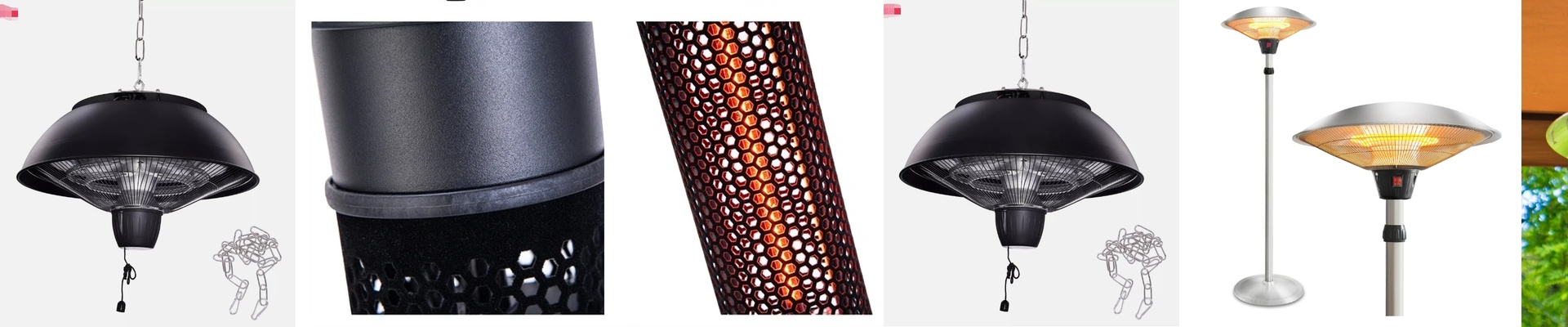
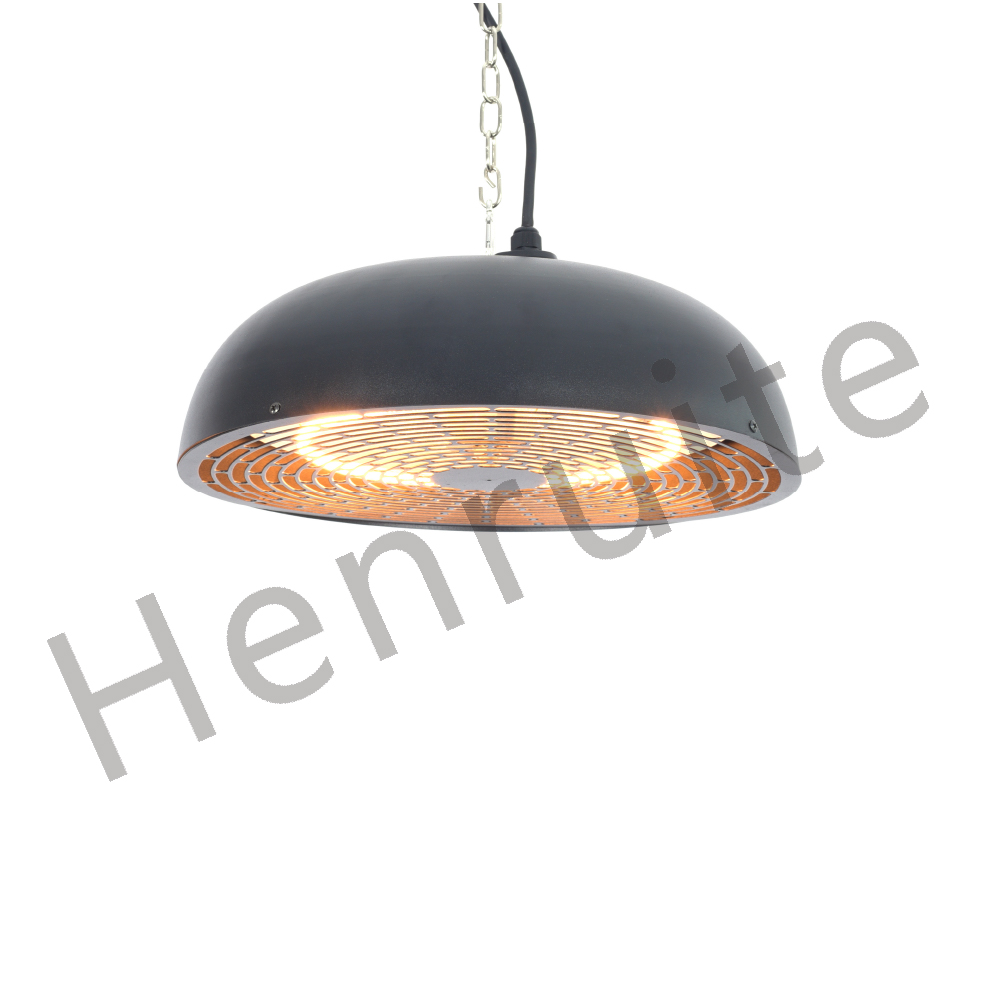
Stop Letting Your Patio Go to Waste in the Winter
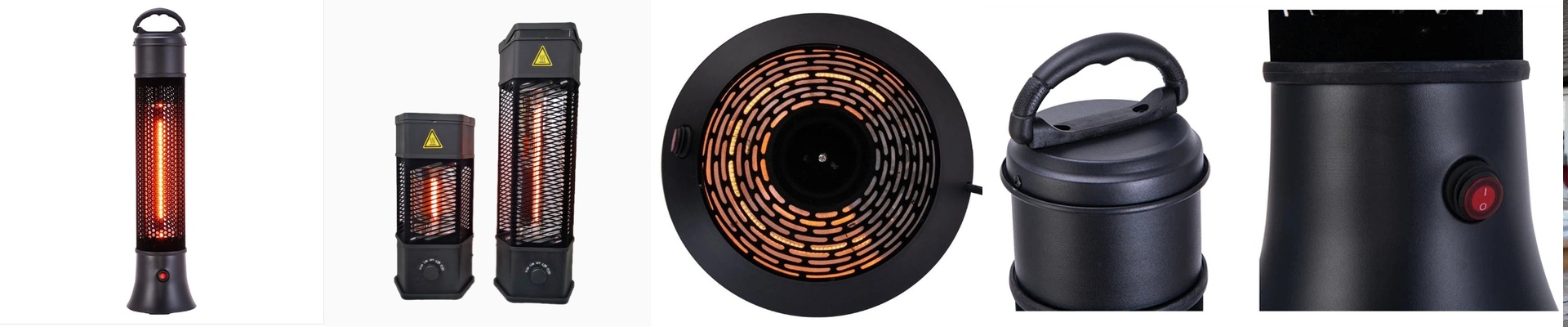
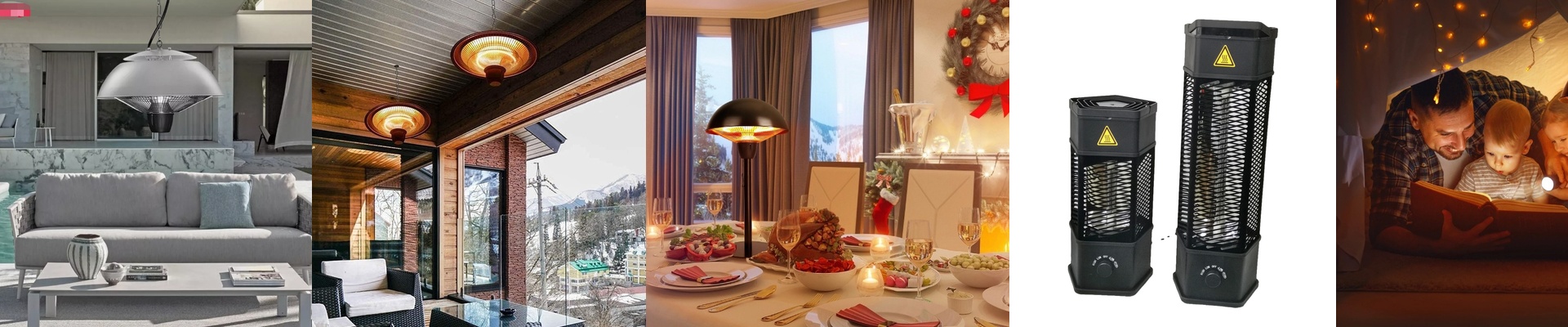
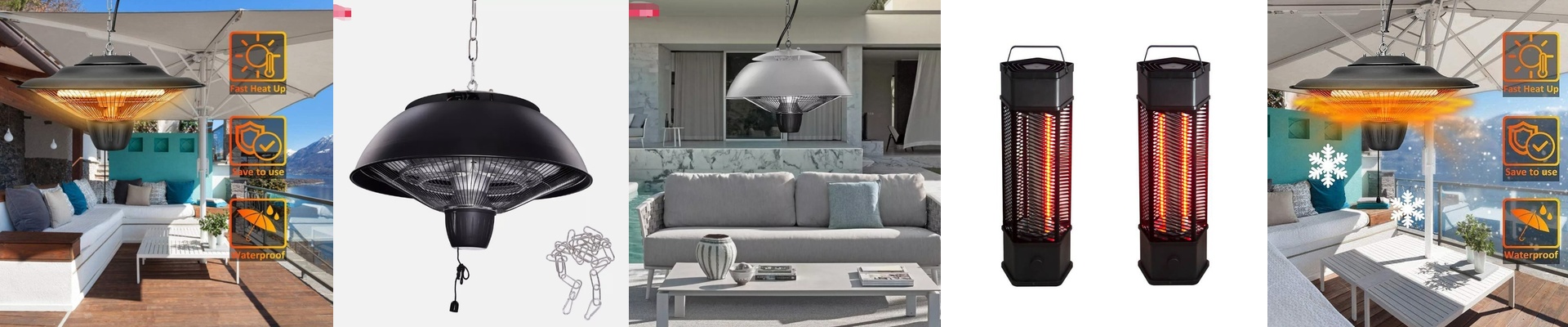
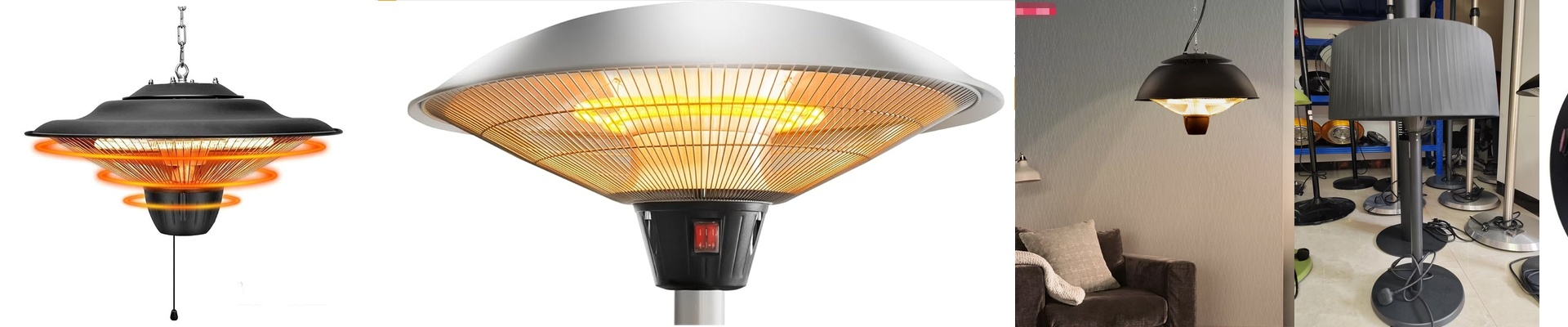
It’s a frustrating sight: a beautiful outdoor dining area sitting completely empty just because the temperature dropped. Most people try to fix this with standard space heaters, but those just try to warm the air. In an open-air patio, that warm air just floats away the second a breeze hits. That’s why we use shortwave infrared. Instead of fighting the wind, these heaters beam warmth directly onto your guests and their furniture. It feels like sitting in a patch of sunlight on a crisp day. Your customers stay warm, even when it’s windy, which means those tables stay full. The nitty-gritty on the gear Since these live outside, they have to be tough. We use waterproof housings (IP-rated, if you’re into the technical side) so rain and humidity don’t fry the electronics. Most of the time, we set these up with 220V-240V power. It sounds like a detail, but it’s important. It keeps the power steady over long cables so you don’t lose heat by the time it reaches the end of the patio. The best part? The heat is concentrated. We create a “warm zone” right around the table. You aren’t wasting money trying to heat the entire neighborhood—just the people paying for the meal. Built to last (and not rust) We use quartz glass tubes with a special coating that helps the heat punch through the cold air. The frames are made from powder-coated aluminum or stainless steel, so you don’t have to worry about salt air or rain eating through the metal. One quick tip on installation:Watch your height. If you hang them too low, your guests will feel like they’re under a heat lamp at a buffet. Too high, and the warmth vanishes before it hits the table. Aim for about 2.1m to 2.5m. That’s the sweet spot. The bottom line for your business Turning a seasonal patio into a year-round spot is a huge win for your bank account. When people are comfortable, they linger. They order that extra round of drinks or a dessert they weren’t planning on. Just a heads-up: these arrays pull a lot of power. Before you go all-in, check your breaker panel. There’s nothing worse than your entire patio going dark in the middle of a Friday night rush because you overloaded a circuit.