
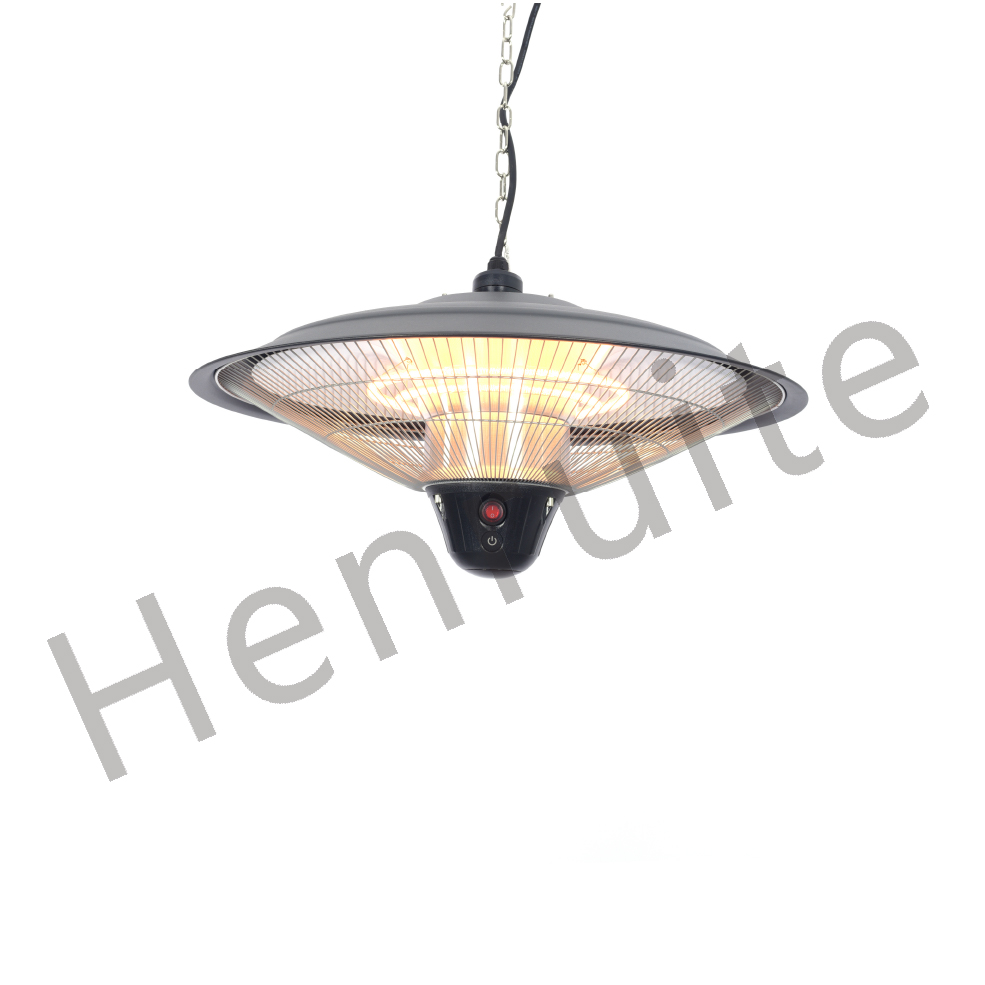
Why we built our IP55 heaters to be modular
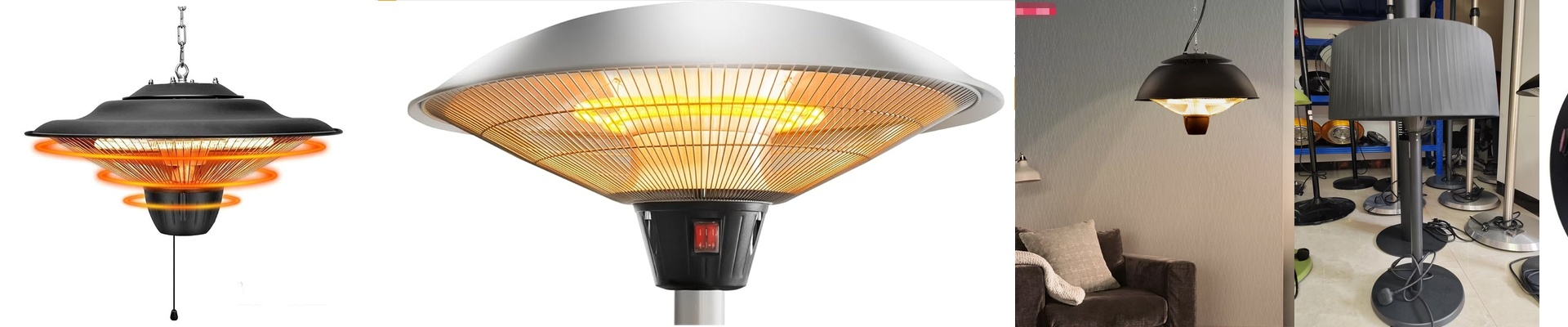
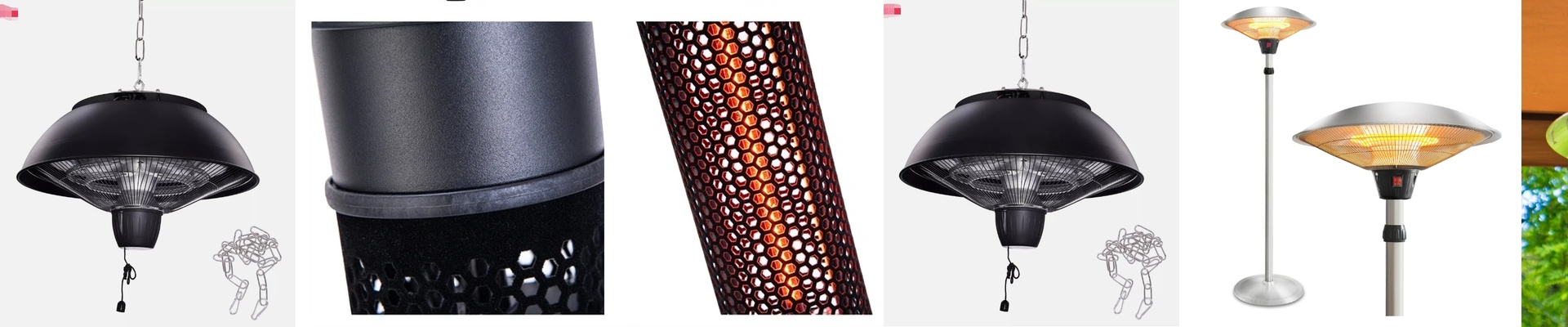
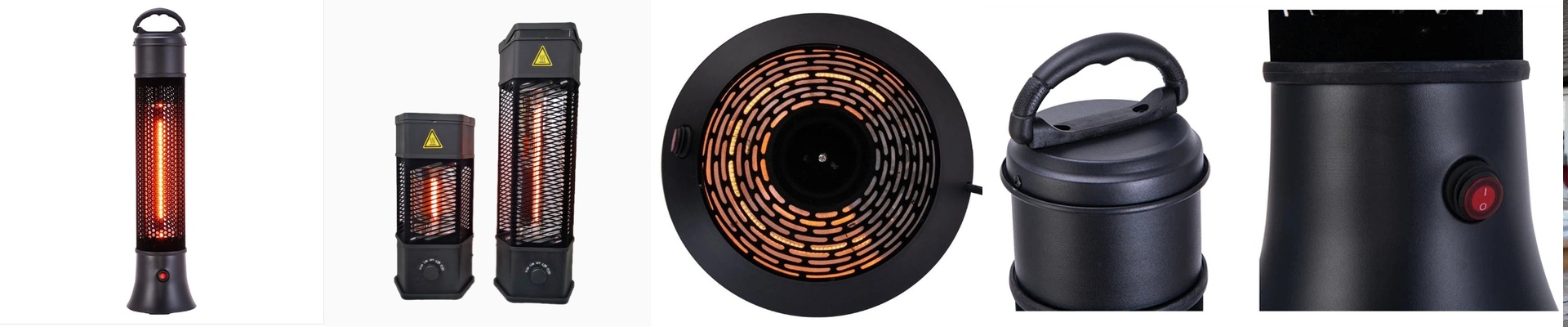
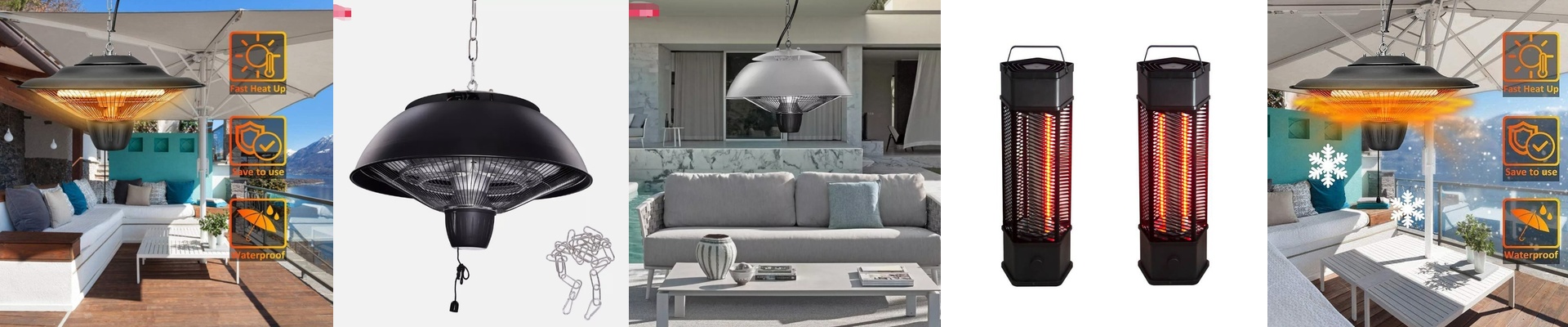
Usually, when you pick a heater that can handle water and dust (IP55), you’re making a deal with the devil. You get great protection, but you lose all access. The heating elements end up buried under a mountain of gaskets and bolts, making them a nightmare to get to. We thought that was a bit ridiculous. So, we changed how we build our infrared table heaters. The headache of the “sealed box” Most industrial heaters are just one big, sealed chunk of metal. It works great—until a tube burns out five years down the road. Then you’re stuck. You either have to tear the whole chassis apart or just throw the entire assembly in the scrap heap. It’s a waste of time and a lot of unnecessary downtime. We wanted something better. Our modules let you swap out the infrared elements without messing with the main seal of the enclosure. How the swap actually works Think of it like a rail system. The heating tubes sit in their own little modules that simply slide into the main frame. If an element goes dead, you don’t have to rewire the whole control panel. You just pull the module, pop in a new tube, and slide it back in. It’s that simple. Plus, your main electrical junctions stay tucked away and safe. You aren’t exposing the “brains” of the machine to the grime of the shop floor every time you do a quick check. The honest trade-off Look, nothing is perfect. Because this is modular and not one solid welded piece, there are more connection points. That means you can’t just “set it and forget it” forever. During your annual maintenance, you’ve got to check the tension on those terminals. In a high-wattage system, a loose connection creates a hot spot, and nobody wants that. What this means for your day At the end of the day, it’s about speed. Your techs can swap a module in a few minutes instead of spending half a shift wrestling with bolts. Your production line keeps moving. And since you never have to break the primary environmental seal to fix a tube, that IP55 protection stays exactly where it needs to be.