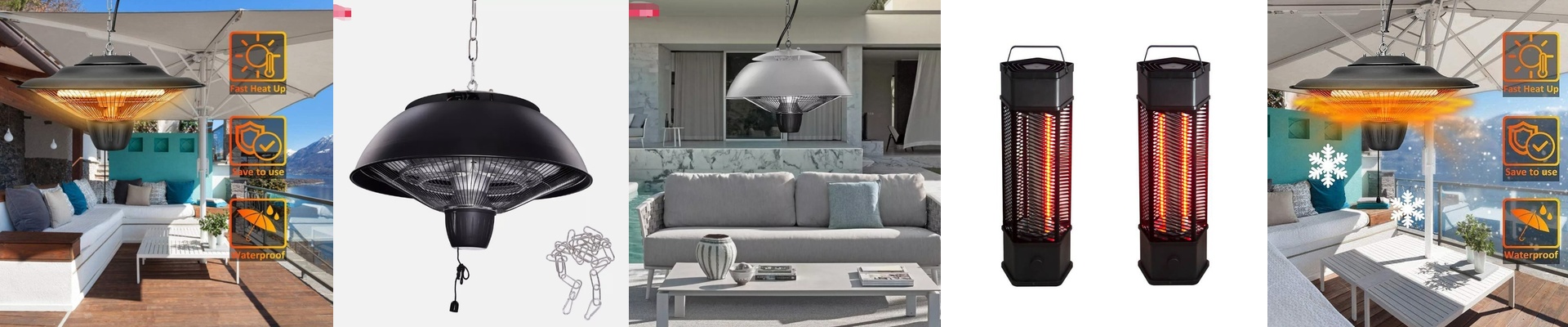
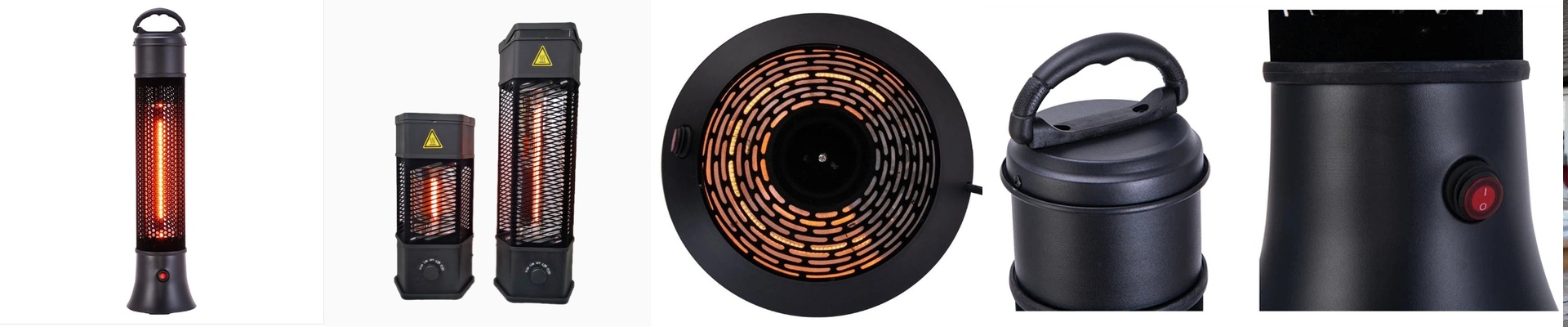
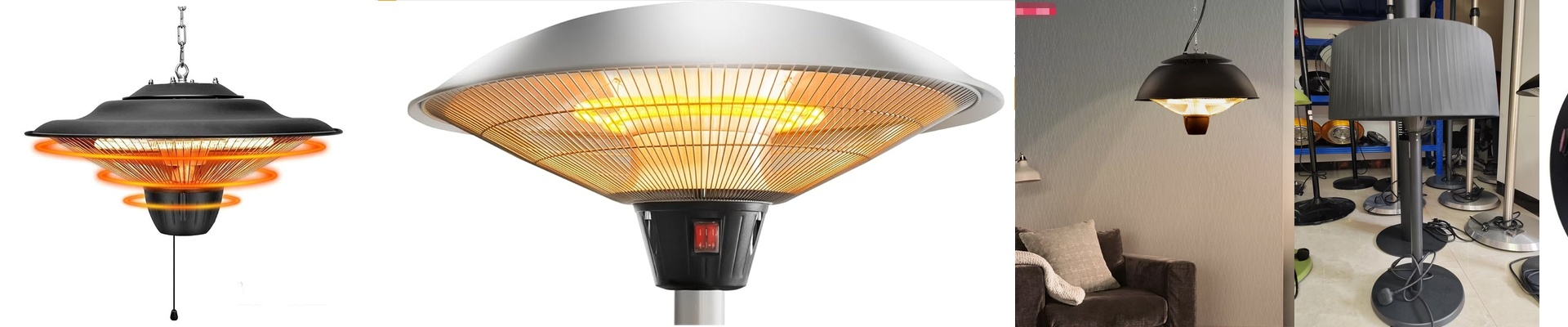
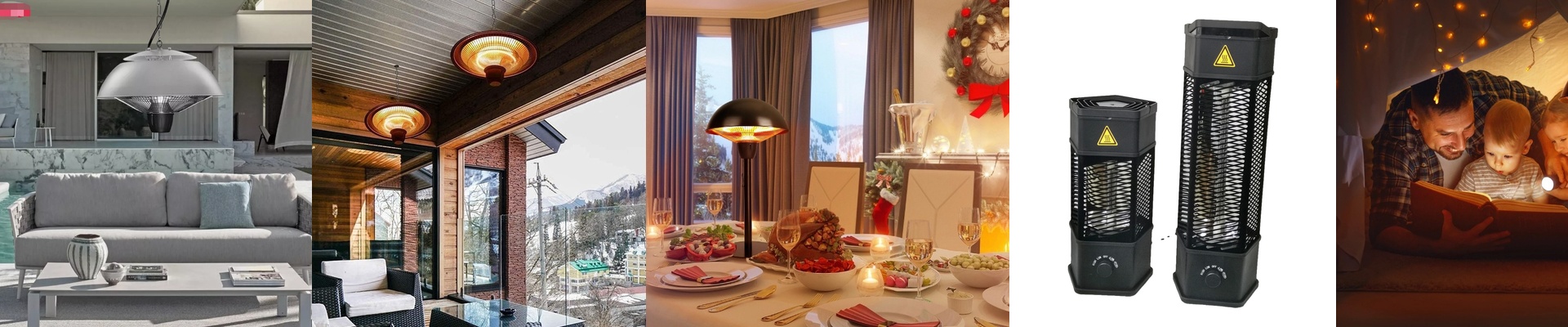
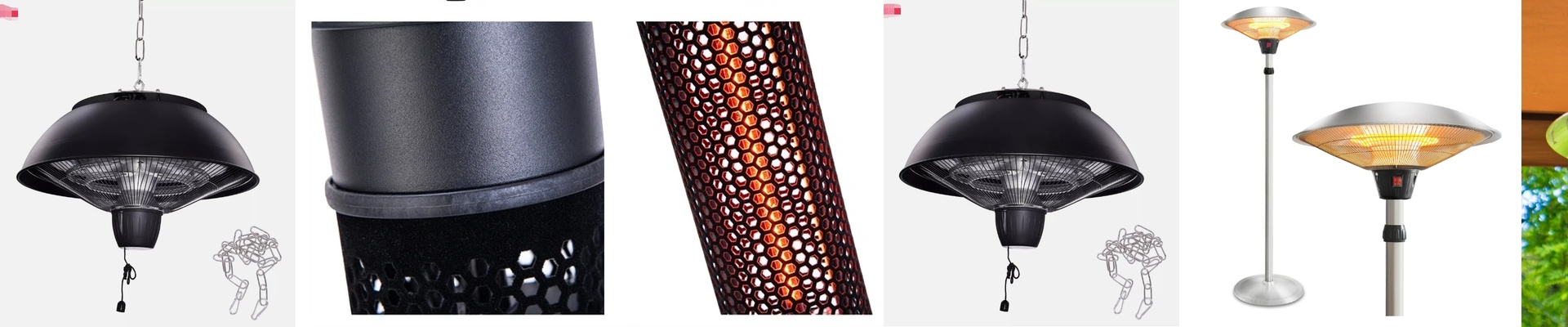
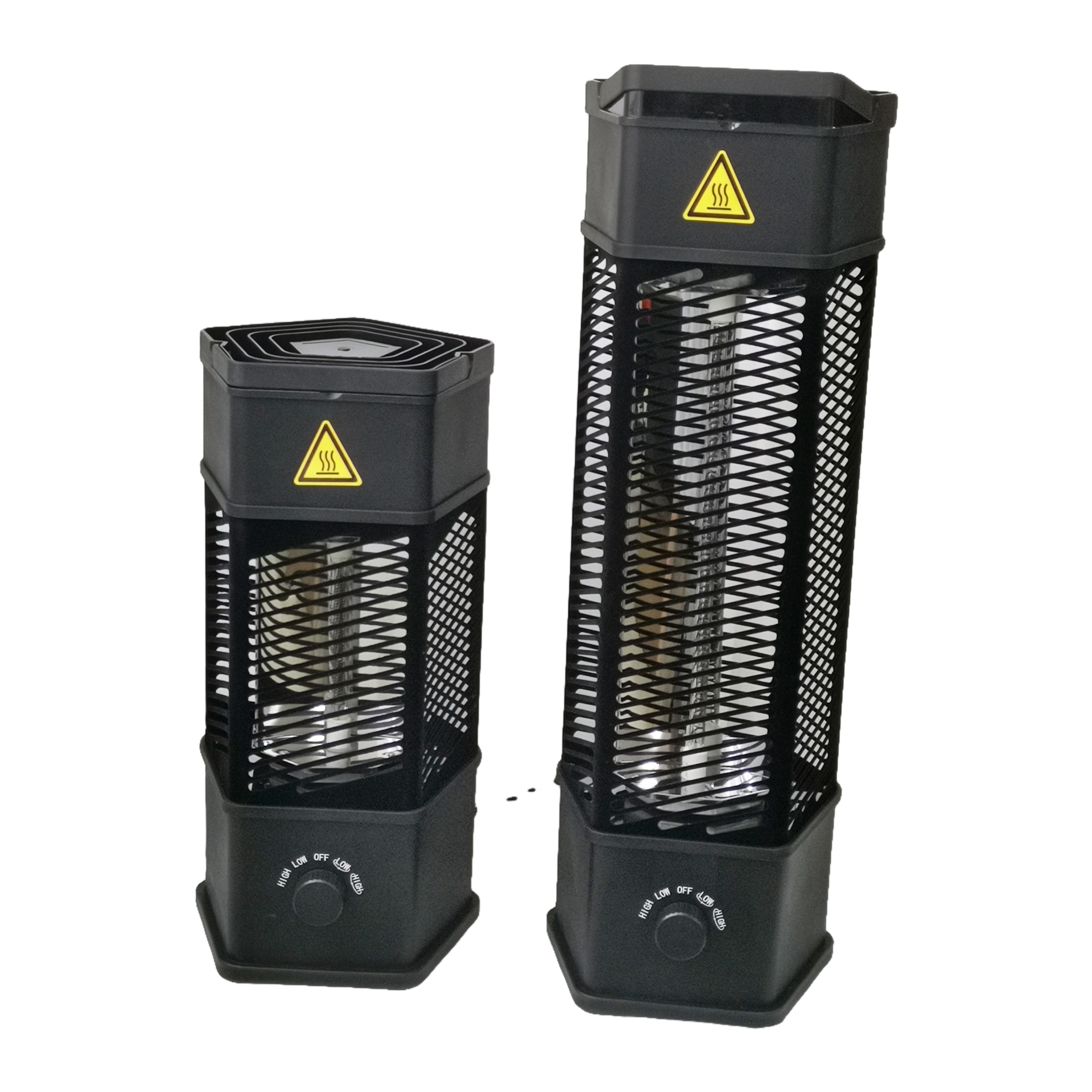
Keeping Things Safe When It’s Steamy: Why We Use Explosion-Proof Quartz
Putting a heater in a bathroom or an outdoor shower is a bit of a gamble if you aren’t careful. You’ve got steam everywhere and the constant risk of a direct splash. Water loves to find a way into the electronics, and once it does, you’re looking at short circuits or tubes bursting. To stop that from happening, we pair IP65-rated housings with explosion-proof quartz tubes. Here is why that actually matters. The deal with the quartz tubes Most standard quartz tubes have a fatal flaw: they hate cold water. If a drop of cold water hits a scorching hot tube, the glass just gives up. It cracks instantly. We use explosion-proof quartz because it can actually handle those wild temperature swings. But the real win is what happens if things do go wrong. If a tube breaks, it doesn’t just shatter into a million flying pieces. The internal pressure is managed so the shards stay put. It’s a much safer way to fail. Keeping the water out Then there’s the IP65 rating. In plain English? It means the unit is tight. Dust can’t get in, and water jets won’t penetrate the shell. We spend a lot of time sealing the wiring entries and the lamp housing. If moisture sneaks in, corrosion starts eating away at the electrical terminals. You’ll start seeing pitting on the contacts, which leads to arcing, and eventually, the whole thing just burns out. Nobody wants that. A few things to keep in mind Now, these high-intensity infrared lamps are great because they heat up instantly. But they gethot. Don’t make the mistake of stuffing these into a tiny, cramped space with no airflow. If the IP65 housing doesn’t have room to breathe, the heat just soaks back into the wiring. Over time, that ruins the insulation. When you’re picking out your mounting brackets, give the unit some space. We build these for the “worst-case” wet zones. Between the specific chemistry of the quartz and the tough outer shell, you can let the humidity hit 100% without worrying that your heater has become a liability.