

Stop Blowing Your Heating Lamps: A Quick Guide to Voltage
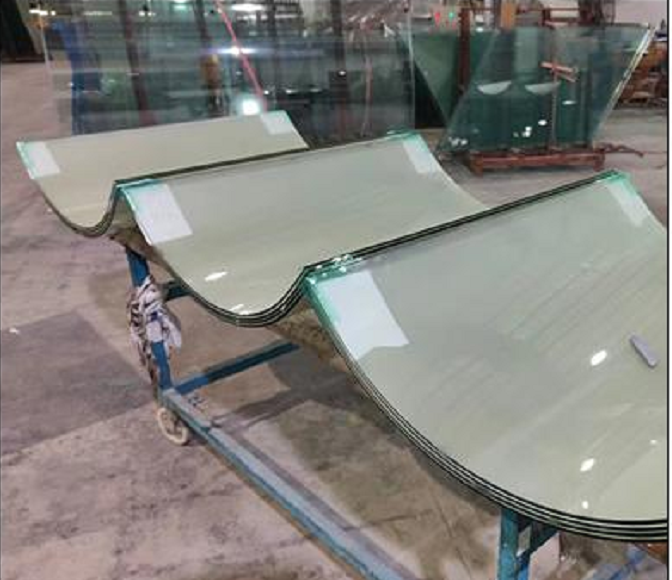
Whether you’re tinkering with a DIY bottle cutter in your garage or running a massive thermal stressing rig on a factory floor, there’s one rule you can’t ignore: your voltage has to match your grid. It’s simple. If you plug a 110V lamp into a 480V industrial line, it won’t just fail—it’ll pop instantly. Not exactly the way you want to start your workday. That’s why we build our infrared lamps to fit whatever power you’ve actually got running through your walls. The deal with voltage and power We do quartz heaters in 110V, 480V, and 575V. But this isn’t just about making things “fit.” It’s about how much current you’re pulling. Here’s the trick: when you go with high-voltage tubes (480V+), you can hit those high wattage numbers without needing thick, chunky wiring that’s a pain to install. You get all the heat you need, but your electrical footprint stays small. Just a heads-up—high voltage means you need to be extra careful with your grounding and insulation. You don’t want any arcs jumping around in a tight box. Forget “off-the-shelf” Standard lamps are fine for some things, but they usually fall short in a real industrial setup. Maybe your heating chamber is an odd size, or you need a very specific wattage to get the glass just right. We handle the custom stuff—winding the filaments and cutting the lengths to fit your machine perfectly. Plus, we use standard connectors, so you can just swap the old lamp out for the new one and get back to work. No hacking or rigging required. A few things to keep in mind High-voltage lamps are great because they pump out intense shortwave radiation. It’s the fastest way to get glass to a working temperature. But that power comes with a cost. It puts a lot more stress on your relays and contactors, so make sure your control gear can actually handle the load. And if you’re packing maximum wattage into a tiny space? Your housing is going to feel the heat. Use heat-resistant alloys for your mounts and reflectors. If you use cheap materials, they’ll warp, and then you’re right back to square one.