

Stop Your Workshop Heaters From Dying Early
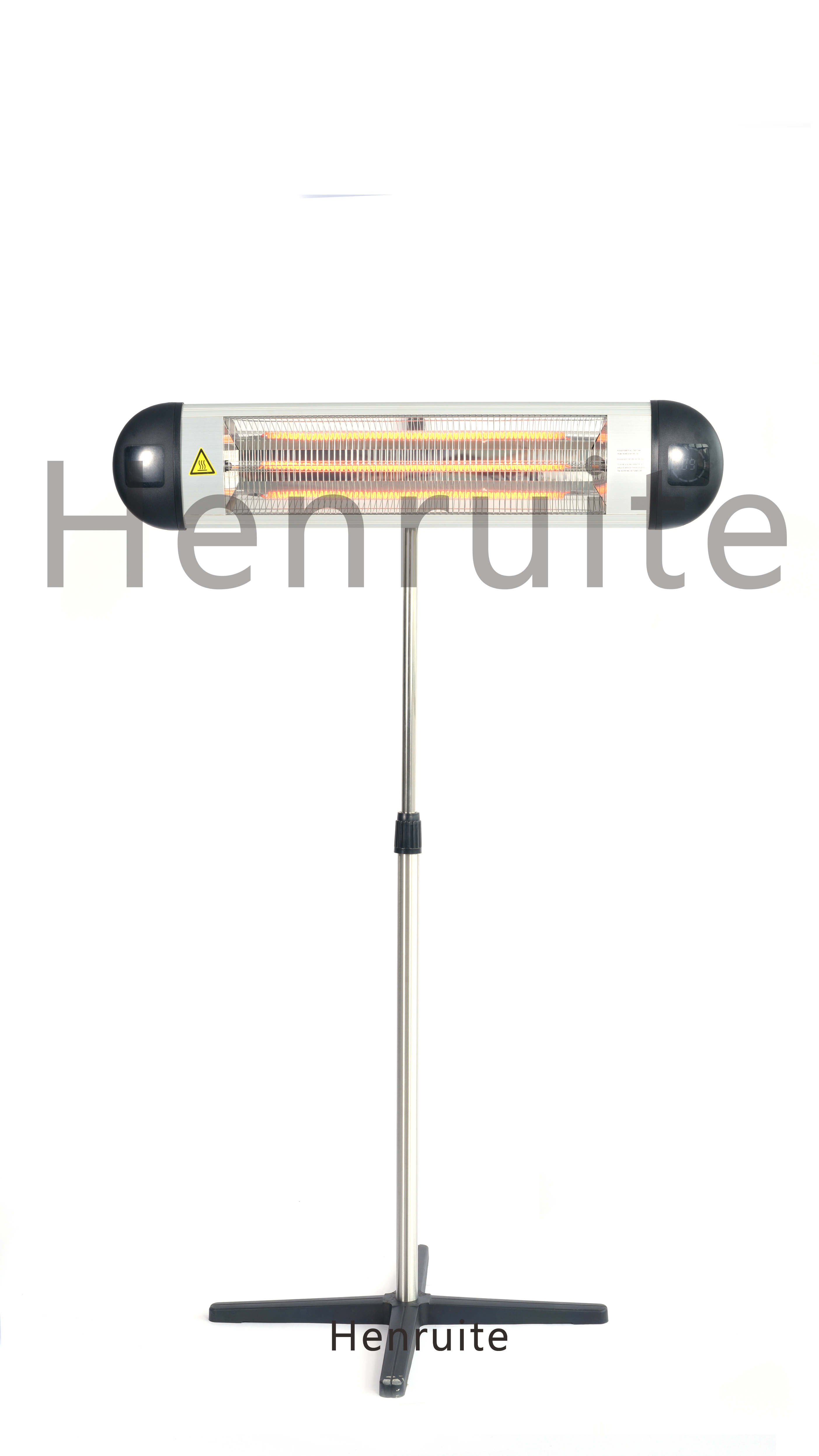
If you’ve ever run a workshop, you know the drill. It’s damp, it’s gritty, and somehow, water always finds its way into the one piece of gear that shouldn’t be wet. For ceiling-mounted infrared heaters, moisture and condensation are absolute killers. We’ve seen it a hundred times: a standard heater goes in, some coolant spray hits the electrical terminals or humidity settles on the quartz tube, and pop. Dead.
Why they actually break
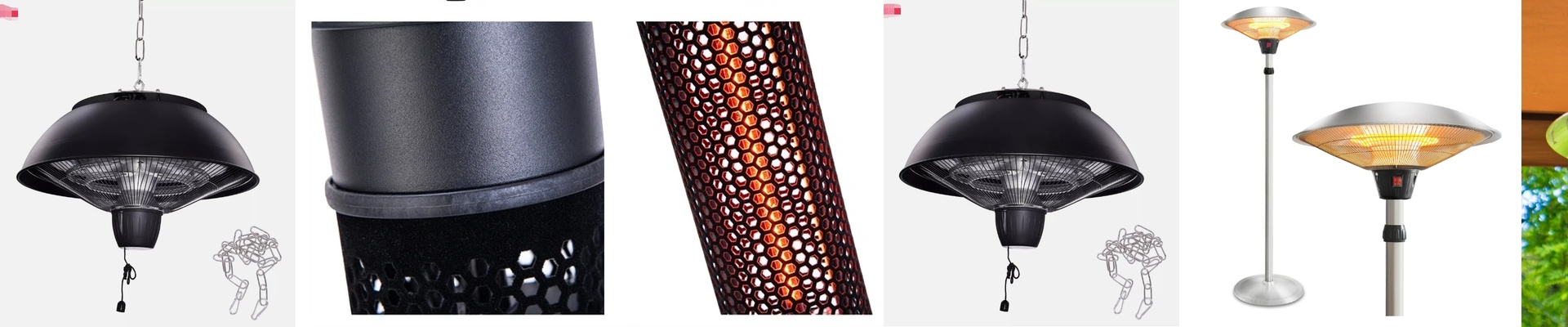
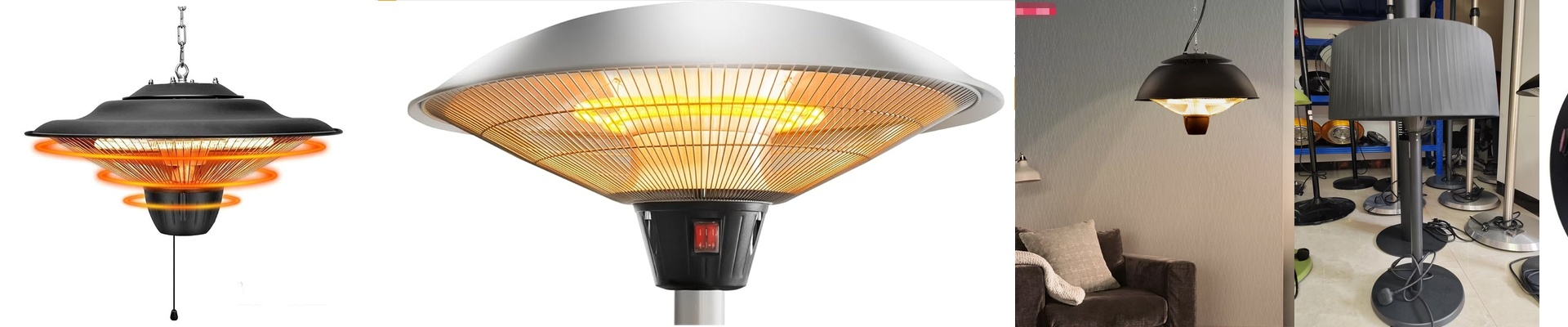
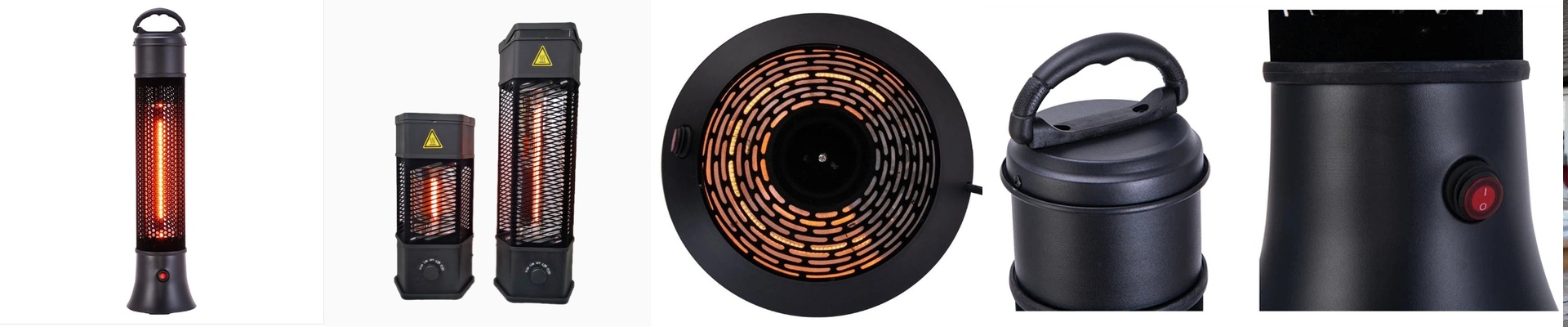
Here is the thing about quartz tubes: they hate “cold spots.” When a tube is covered in fog or tiny water droplets and then kicks on at full blast, it heats up unevenly. That sudden stress makes the quartz crack. It’s basic physics, but it’s a nightmare for your budget. To stop this, we use sealed housings and gaskets that actually push moisture away. Then there’s the wiring. Most heaters fail because airborne oils and water seep into the terminals. If water hits a live connection, you get a short circuit. Simple as that. We use IP-rated enclosures to keep that junk out, which stops the corrosion from eating through your contacts in a few months.
The honest trade-off
Now, look. Nothing is perfect. Adding these protective shells makes the heater a bit bulkier. You also lose a tiny bit of that direct heat—maybe about 5%. But honestly? It’s a trade I’d make every single time. I’d rather lose 5% of the raw heat than spend my weekend replacing a burnt-out unit every six months.
A few tips for the install
If you’re the one wiring these up, do me a favor:make sure those ceiling brackets are perfectly level. If the unit tilts, water can pool inside the housing and slide right past the splash guards. We’ve seen plenty of “bulletproof” heaters fail simply because the installer didn’t use a level. It’s a frustrating way to break an expensive tool. Also, don’t try to “over-drive” the lamps. Stick to the voltage we recommend. Pushing them too hard weakens the seals, and once those seals go, the anti-fogging features are basically useless. Do it right, and these things will take a beating in a damp shop and just keep on humming.