Stop Letting Your Patio Go to Waste in Winter
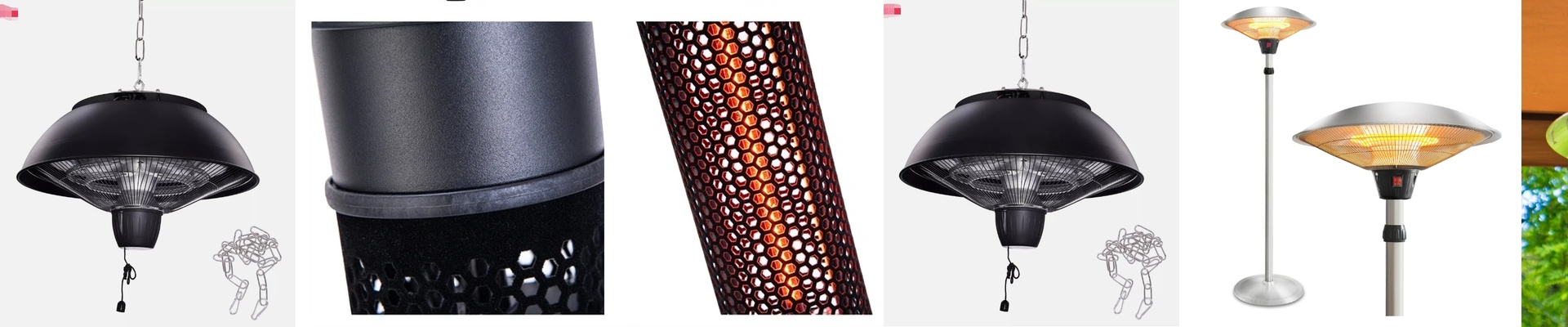
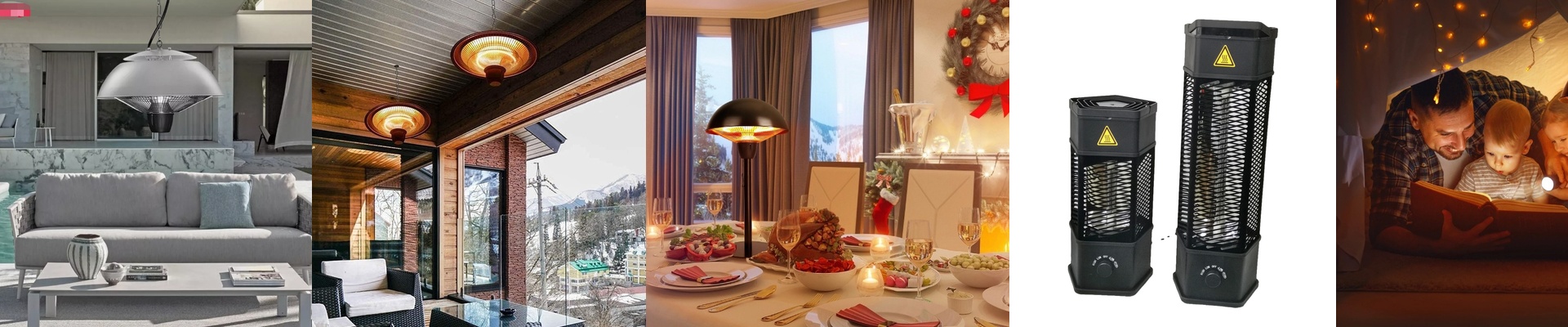
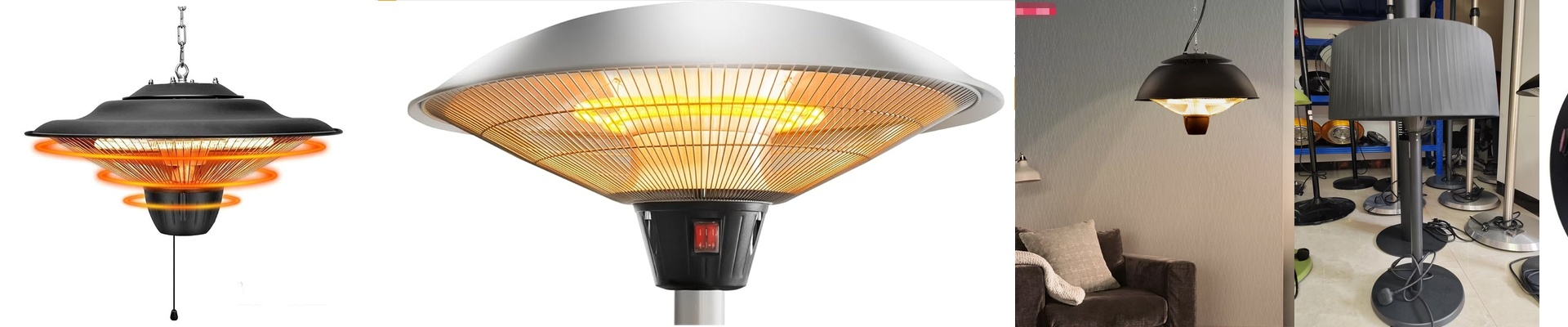
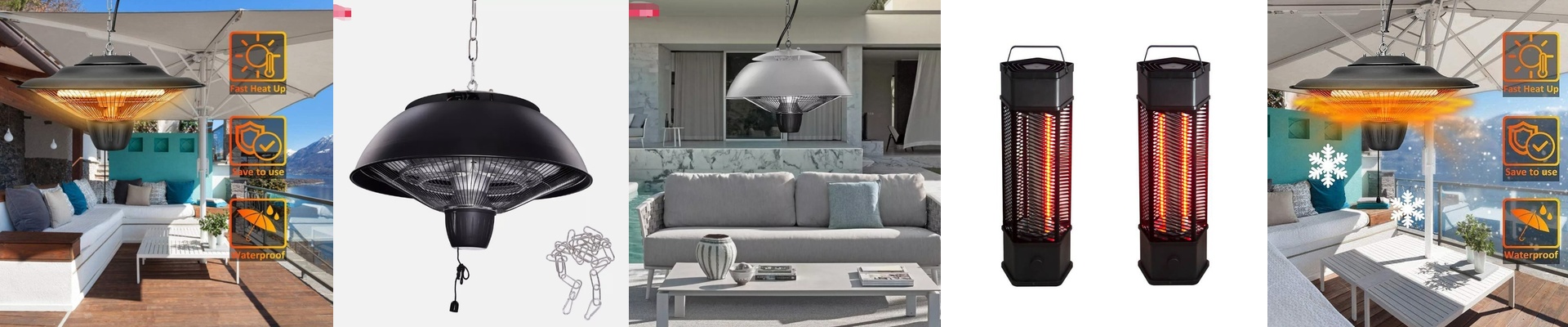
Ever notice how outdoor patios just… die in the winter? Most places try to fix this with those big convection heaters. The problem is they try to heat the air, but in an open space, that warm air just floats away. You’re basically paying to heat the neighborhood. We do things differently. We use recessed infrared ceiling heaters. Instead of fighting the wind, these units beam heat directly onto your guests. It’s like sitting in the sun on a crisp October day. The air around them might be freezing, but they feel warm. Getting the setup right Since these units sit flush in the ceiling, you don’t have clunky heaters taking up floor space or getting in the way of the servers. The real trick is creating “warm zones.” We set them up so the heat hits the tables exactly, not the walkways. Plus, we wire them into zoned controls. That way, if only two tables are occupied, you aren’t burning electricity to heat an empty patio. Why it actually feels warmer There’s a bit of science here, but it’s simple: short-wave infrared sinks deeper into your clothes and skin. You feel it the second you sit down. Because they’re tucked into the ceiling, the heat comes down in a tight, controlled column. It’s concentrated. It’s cozy. The bottom line for your business Let’s be honest: cold customers leave. They finish their drinks fast, skip dessert, and head for the door because they’re shivering. When people feel a steady, comfortable warmth, they linger. They order that extra round of drinks or a dessert they weren’t planning on. More importantly, you get to keep your outdoor section open for those four months of the year when you’d usually have to shutter it. A quick heads-up on the technical stuff Here is the catch. These arrays pull a lot of power. You can’t just plug them into the same circuit as your patio lights or you’ll be tripping breakers all night. You’ll need your electrical panel spec’d for the full load. We usually suggest dedicated circuits for every four to six units. Also, we have to be careful with the ceiling clearance—you don’t want the housing getting so hot that it damages the structure of your roof. Get the power right, and your patio stays a money-maker all year long.