The Trick to Bathroom Infrared Heaters: It’s All About the Light
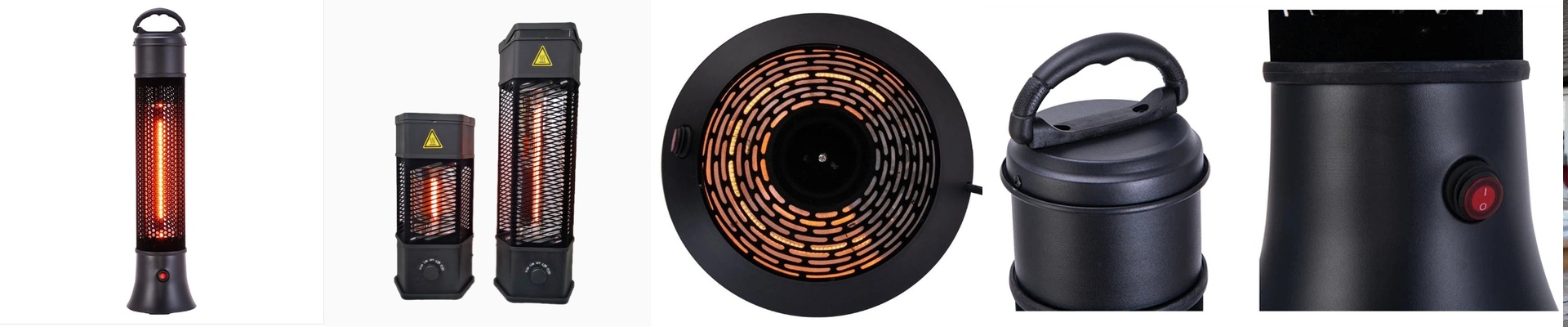
When we’re designing infrared lamps for the bathroom, the heat part is actually the easy bit. The real headache? The light. Standard shortwave heaters are basically light cannons. They blast out a spectrum that’s way too harsh, which can be a nightmare for your eyes. It’s even worse for babies, since their eyes aren’t fully developed yet. Nobody wants a heater that feels like a spotlight in an interrogation room. Keeping things eye-safe To stop that blinding glare, we play around with the light spectrum. We use special quartz coatings or tweaked filaments to block those aggressive blue and UV peaks. The goal is to push the energy toward the long-wave side of things. You get that cozy, deep warmth on your skin, but without the “staring into the sun” feeling. We aim for a specific window where the heat gets through, but the light stays low enough that your pupils aren’t freaking out. The balancing act Then there’s the hardware. We’re working with standard home voltage, so we have to be careful. If we crank the wattage too high to get a fast warm-up, we risk melting the housing or cracking the glass. That’s why we use high-purity quartz. It can handle the sudden jump from cold to hot without snapping. And we have to think about size. A tiny lamp means the heat is concentrated in one spot. If you cram too much power into a small tube, the filament burns out way too fast, or you might actually melt the plastic reflectors. It’s a constant game of tweaking the length and diameter of the filament to keep everything stable. Real-world installation Putting these in a ceiling is a whole other story. Steam is basically the enemy of electricity. If moisture gets into the contacts, things go sideways fast. We use corrosion-resistant terminals to stop the wires from rusting or oxidizing. One thing to keep in mind: these filters do clip a little bit of the raw heat. You lose a tiny bit of power compared to those massive industrial heaters you see in warehouses. But honestly? It’s a trade-off worth making to keep your eyes safe.