Stop the Bathroom Mold Before It Starts
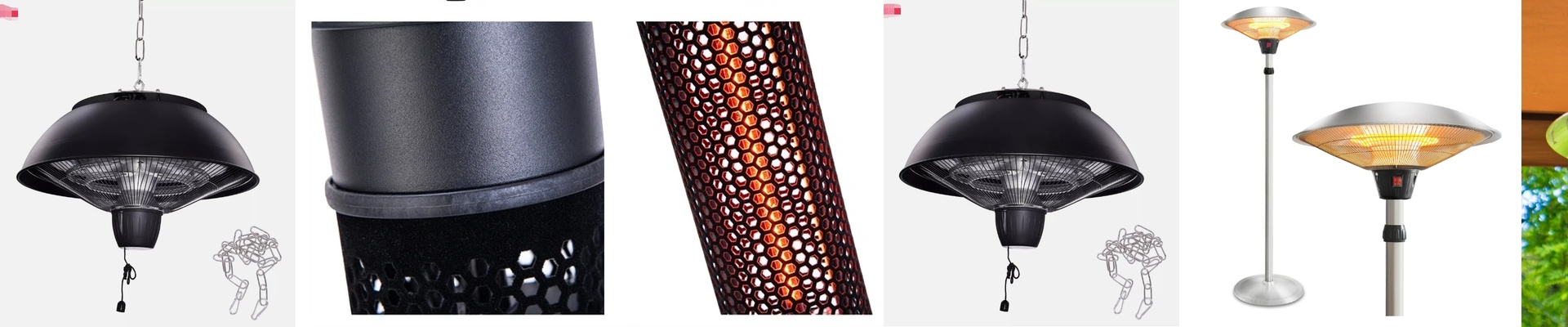
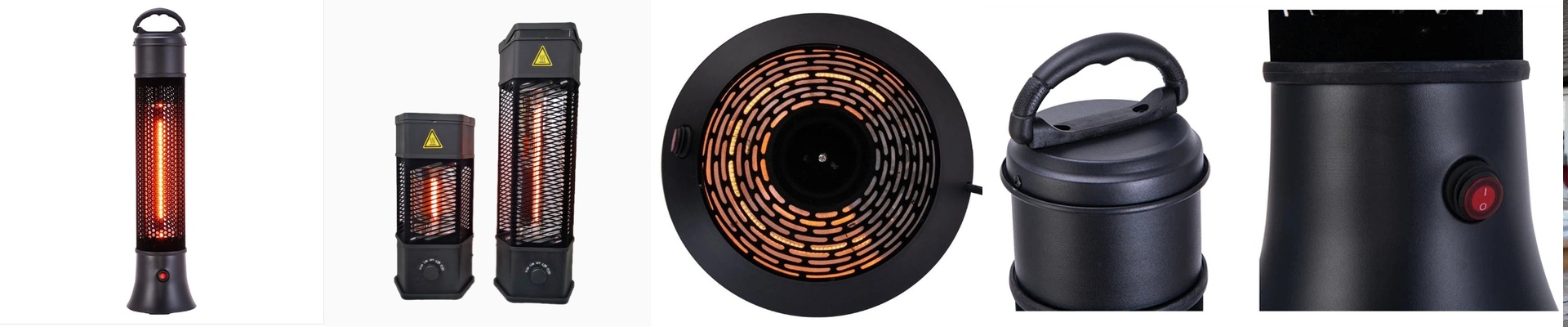
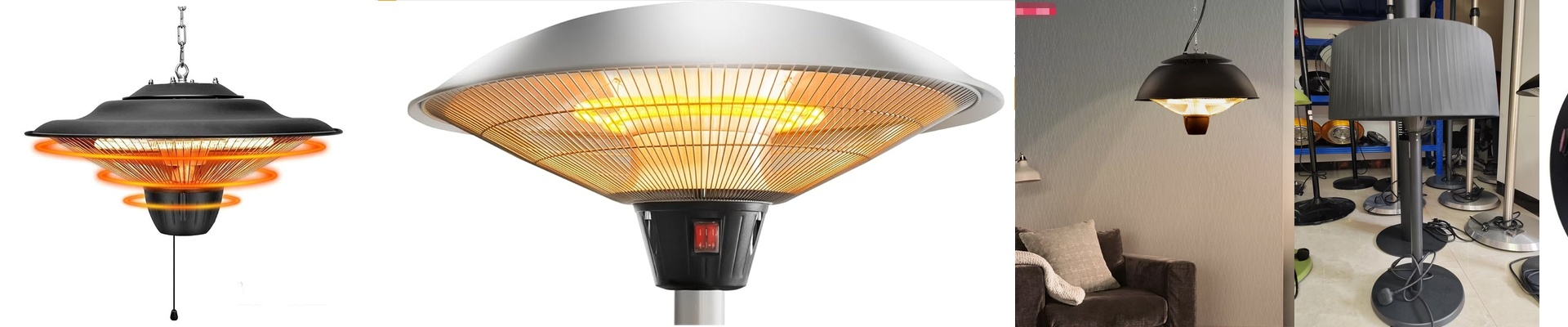
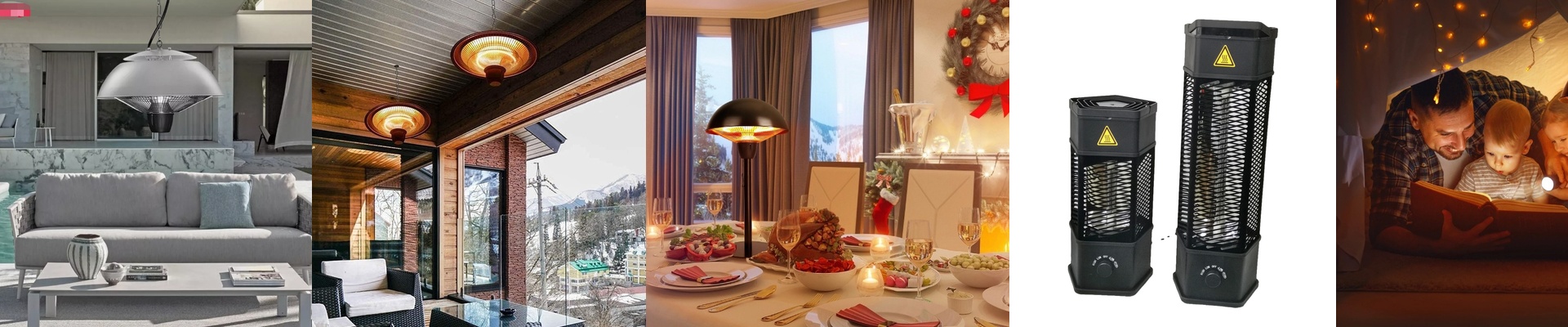
Most people think those heating lamps in the bathroom are just there to keep you from shivering when you step out of the shower. But if you look under the hood, there’s some pretty cool science happening. We’re not just heating the air; we’re actually fighting moisture where it hides.
How it actually keeps mold away
Mold loves a damp, stagnant corner. The problem with standard heaters is that they just warm up the air. That often just pushes the moisture into the cold gaps in your ceiling or the far corners of the room. We do things differently. We use short-wave infrared (IR) tech to hit the surfaces directly. Think of it like this: the lamp sends out radiation that sinks into your walls and floors. It keeps the actual material warm—above the “dew point.” When the wall stays warm, water can’t settle and bead up. And if the water can’t settle, mold has nowhere to grow. It’s a straight-up attack on the moisture cycle.
Drying things out fast
These units basically act as a backup dehumidifier. The IR waves get those water molecules moving, which makes them evaporate way faster. It actually pulls the dampness right out of your grout and the tiny pores in your tiles. You’ll notice the room feels dry much quicker than if you were just relying on a vent fan. The heat doesn’t just float around; it drives the water out of the house.
A few warnings on installation
Now, you can’t just shove these into any old fixture and hope for the best. These things gethot. If you put a high-wattage lamp in a cramped housing without enough breathing room, you’re asking for trouble. You could warp the plastic trim or, worse, fry your wiring. Also, keep an eye on your electrical panel. These units pull a lot of power the second you flip the switch. I always suggest using high-temp rated wiring so the insulation doesn’t break down over time. And do yourself a favor: put it on its own dedicated switch. You don’t want to overload your lighting circuit just because you wanted a warm bathroom.