Stop the Chipping: Why Your CNC Glass Cutter Needs a Little Heat
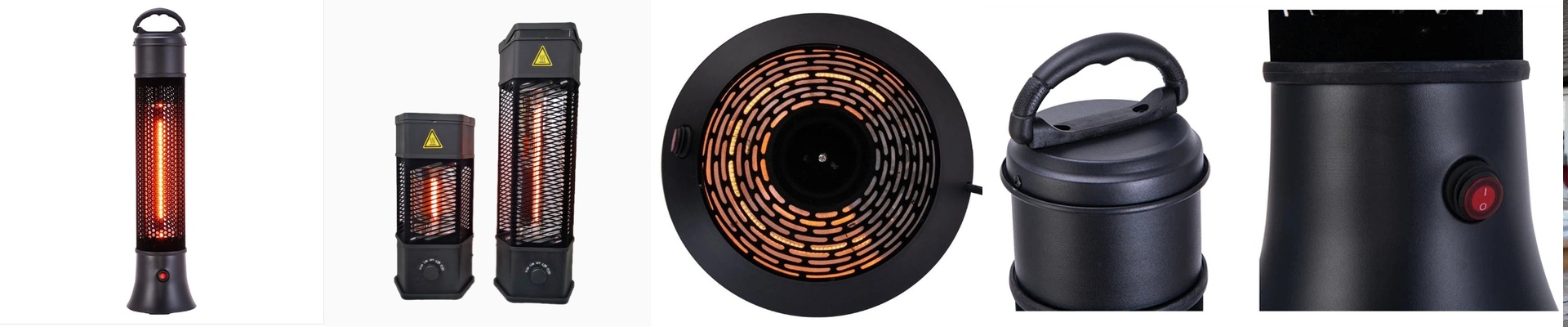
If you’ve spent any time running a CNC glass cutter, you know the frustration of “corner breakout.” You finish a run, look at the edges, and there they are—those jagged little chips that ruin a perfectly good piece of glass. It’s a pain. The problem is basically a fight between the cutting wheel and cold glass. The wheel creates a ton of mechanical stress in one tiny spot, and cold glass just can’t handle it. It snaps in ways you don’t want it to. That’s why we use infrared (IR) preheating lamps. We basically warm up the surface of the glass right before the diamond wheel hits it. The trick is in the temperature. Glass is brittle. When you try to cut it at room temperature, the cracks tend to wander. They go off in random directions, which is how you get those nasty chips. But when you hit the glass with short-wave IR radiation, the surface expands just a bit. It relaxes the internal tension. It makes the glass feel a little more “forgiving.” The result? A clean, smooth break every time. The gear you actually need You can’t just use any old heater here. We use high-wattage quartz halogen lamps because they’re fast. Think about it: the glass is moving on a conveyor. You only have a few seconds to get that surface warm before the cutter arrives. If the lamp takes a minute to warm up, it’s useless. You need something that hits full power the second you flip the switch. A few things to watch out for It’s not just “plug and play,” though. There are a couple of real-world hurdles. First, these lamps pull a lot of power. Before you install an array, double-check your electrical panel. You don’t want to be tripping breakers in the middle of a shift because you added too much amperage. Then there’s the “Goldilocks” problem. You want the glass warm, but not hot. If you go overboard, you’ll get thermal shock, and the glass will crack from the heat itself. You have to play around with the distance and the wattage until you hit that sweet spot. And a pro tip: get some good shielding. You want the heat on the glass, not on your CNC’s linear rails. Trust me on that one.