Reducing Glass Edge Chipping Through Targeted Infrared Preheating
Glass is brittle. When you score and snap it cold, the internal stresses often lead to “chipping” or “blowouts” at the edges. We use infrared (IR) preheating to fix this. By raising the glass surface temperature before the cutter hits, you modify the material’s mechanical response.
The Physics of Preheating
Cold glass resists the cutter’s diamond or carbide wheel, creating erratic micro-fractures. IR lamps penetrate the surface, inducing a controlled thermal expansion. This softens the glass structure just enough to ensure the score line is clean and consistent. We target a specific temperature window—usually between 60°C and 150°C depending on the thickness—to minimize the energy required for the break.
Why IR over Convection?
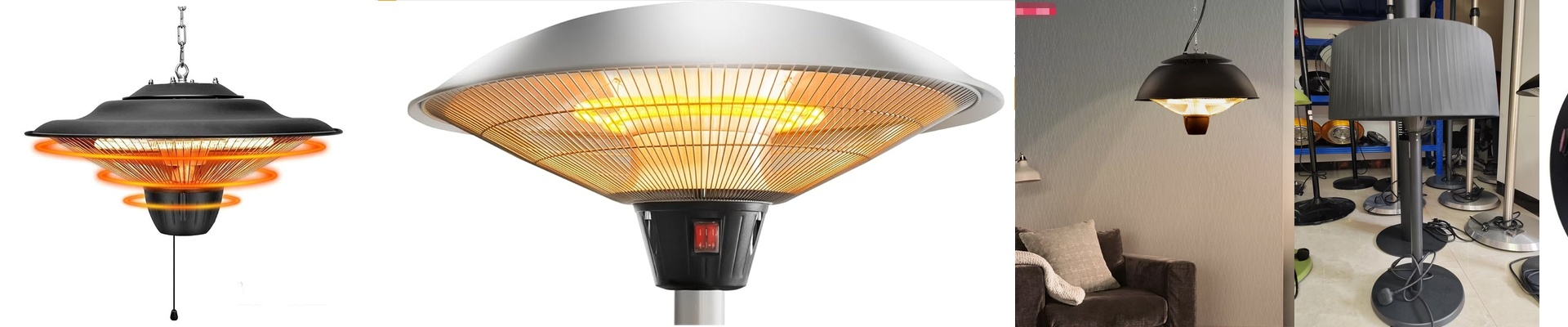
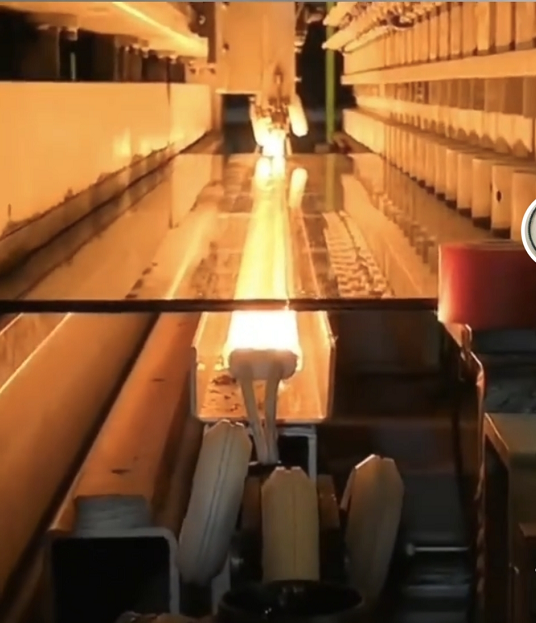
Convection ovens take too long and waste energy heating the air. Shortwave IR lamps deliver heat directly into the glass. You get an almost instant ramp-up. This allows you to integrate the heating element directly into the cutting table footprint. You aren’t waiting for a chamber to heat up; you’re heating the piece in real-time as it moves toward the blade.
Trade-offs in Thermal Management
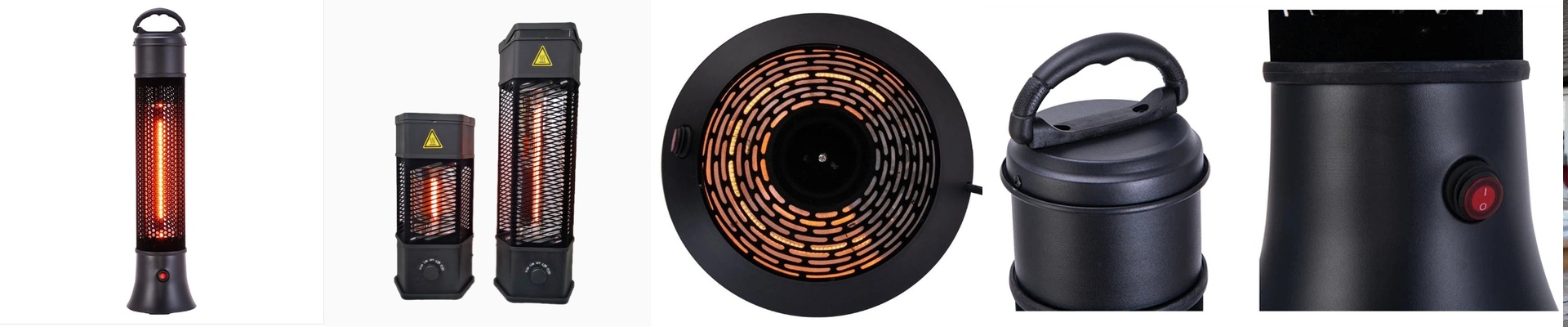
High-density IR lamps provide the fast response you need, but they create a massive heat load on your machinery. If you’re running high-wattage tubes, you must spec out your cooling fans and shielding correctly. Without proper airflow, you risk warping the cutting bed or damaging the electronics. Reducing the chip rate isn’t about “perfect” heat; it’s about avoiding thermal shock. If you overheat the glass or apply heat unevenly, you’ll introduce new stresses that cause the glass to shatter during the snap. Keep your lamp distance calibrated to maintain a uniform heat flux across the entire sheet.