Why Your Glass is Breaking (And How Consistent Heating Fixes It)
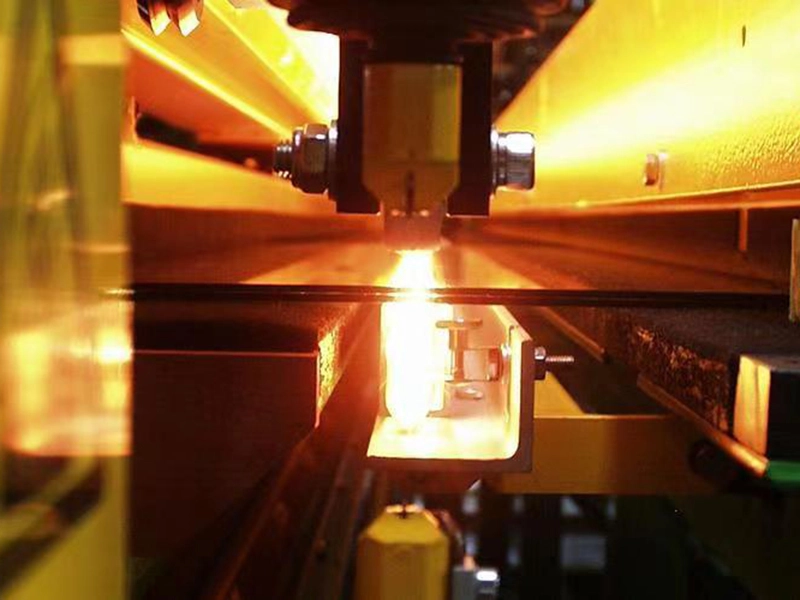
Ever have a batch of glass come out of the oven and just… fail? It’s frustrating. You do everything right, but you still end up with internal stress or random breakage. Usually, the culprit is a temperature swing. If one part of your oven is even 10°C hotter than the next, you’re asking for trouble. We see this all the time with cheap lamps. The wattage jumps around by 5-10% from tube to tube, and that tiny difference is exactly why your batch quality feels like a gamble. The secret is in the twin tube design. Basically, you’ve got two filaments packed into one quartz envelope. It’s a clever way to double the heat without taking up more space in your array. The real win here is speed. You get a much sharper thermal spike, which is exactly what you need when you’re dealing with thick-walled glass. It hits that annealing point fast, so you aren’t waiting around forever. Stopping the “Cold Spot” Nightmare If you want to stop the instability, you have to get obsessed with wattage tolerances. Here’s the thing: it all comes down to the electrical resistance of the filament. When that resistance drifts, your heat output drifts too. By using lamps that are actually consistent, every single tube puts out the same amount of IR energy. No more “cold spots.” No more uneven cooling. Just glass that actually stays structurally sound. A few things to watch out for during install These are drop-in replacements, so they work easily with your current controllers. But don’t just plug and play without thinking. Because twin tubes pack more heat into the same area, they put more stress on your quartz supports. If your housing is old or flimsy, the frame might warp under the load. And a quick tip: check your cooling fans. Make sure they can handle the extra heat building up around the lamp ends. If they can’t, you’re looking at burnt-out connectors, and nobody wants to deal with that mid-shift.