


Keeping Your Bathroom Warm (Without the Danger)
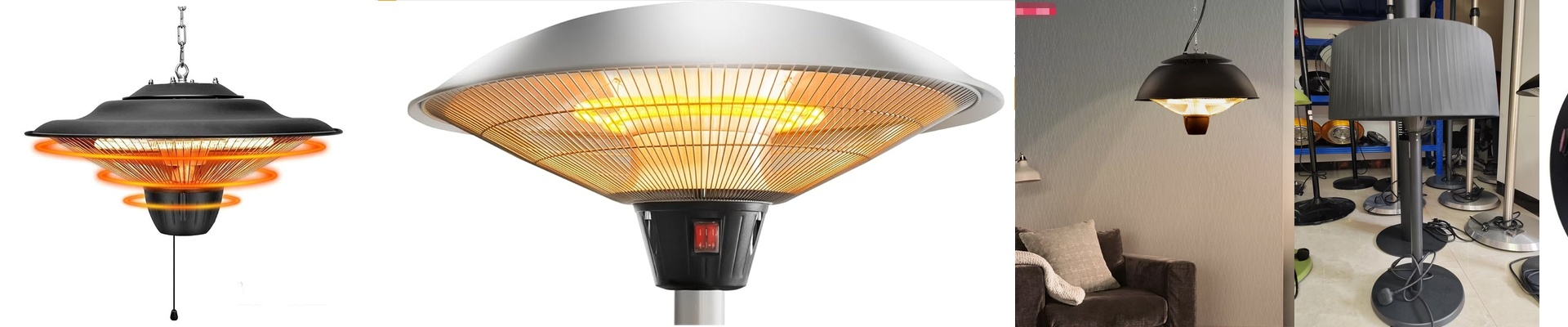
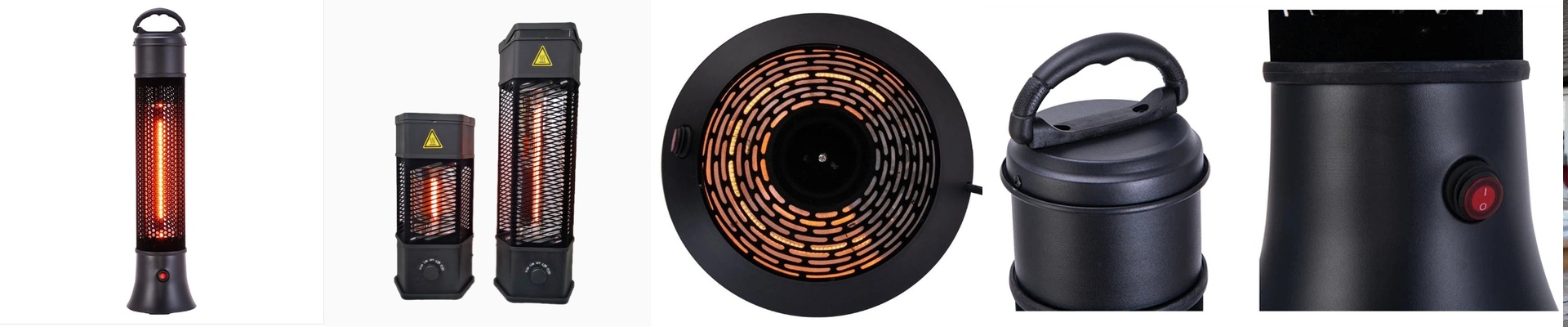
Putting infrared heaters in a bathroom is a bit of a battle. You’ve got steam, splashes, and constant humidity. And since water and electricity are a nightmare pairing, any tiny gap in the insulation can lead to a short circuit or a ground fault. That’s why we build these things toIP65 standards.
Keeping the Wet Stuff Out
When you see “IP65,” it basically means the unit is dust-tight and can handle being hit with water jets. We don’t take chances here. We use silicone gaskets and sealed cable glands to make sure steam doesn’t sneak into the wiring. If moisture gets to the terminals, you get corrosion. Then you get arc-overs. Not a great combination. To stop that, we seal every connection point tight. We also use powder-coated aluminum or stainless steel for the housing, so you don’t have to worry about rust eating through the chassis over time.
The Safety Layers
We don’t just rely on the outer shell to keep you safe. That’s too risky. Inside, every infrared element sits on high-temperature ceramic insulators. These won’t break down or warp just because things get hot. We also use double-insulated cabling that can handle 105°C or more. This means the outer jacket won’t melt and leave live wires exposed. But here’s the most important part:you need to wire these into a dedicated RCD or GFCI circuit. Even with a great IP65 housing, a leak in the external conduit could still energize the system. The RCD is your safety net. If it detects a current leak, it kills the power in milliseconds.
A Few Real-World Quirks
There’s a bit of a trade-off with high-density heat. You’ve got a scorching hot lamp meeting cool, damp bathroom air. This creates condensation on the glass. While the electronics are safe and dry, the glass tube itself is sensitive to “thermal shock.”**Whatever you do, don’t spray cold water directly onto a hot lamp.**The quartz will crack instantly. We also make sure the mounting brackets have a little wiggle room. This allows the tube to expand as it heats up so it doesn’t put pressure on the seals.