Why your old bathroom heater keeps dying (and what to do about it)
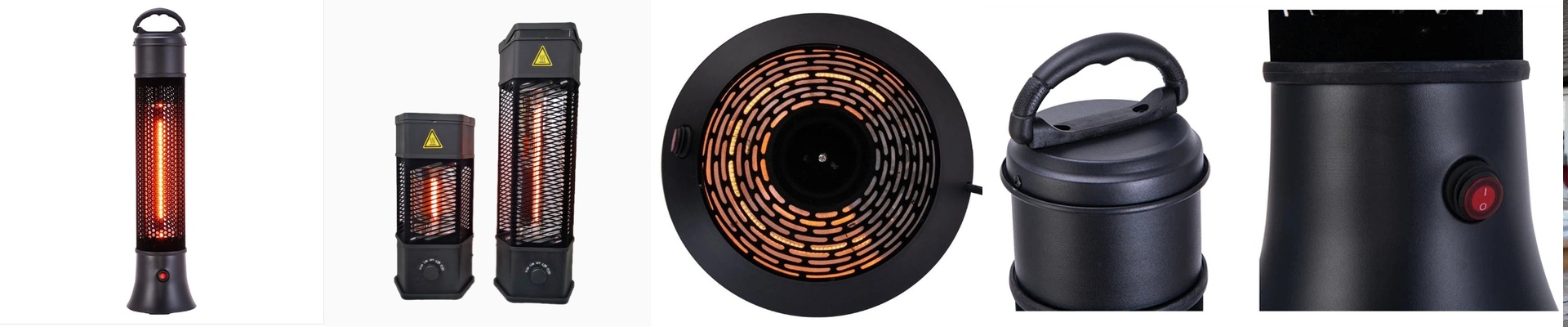
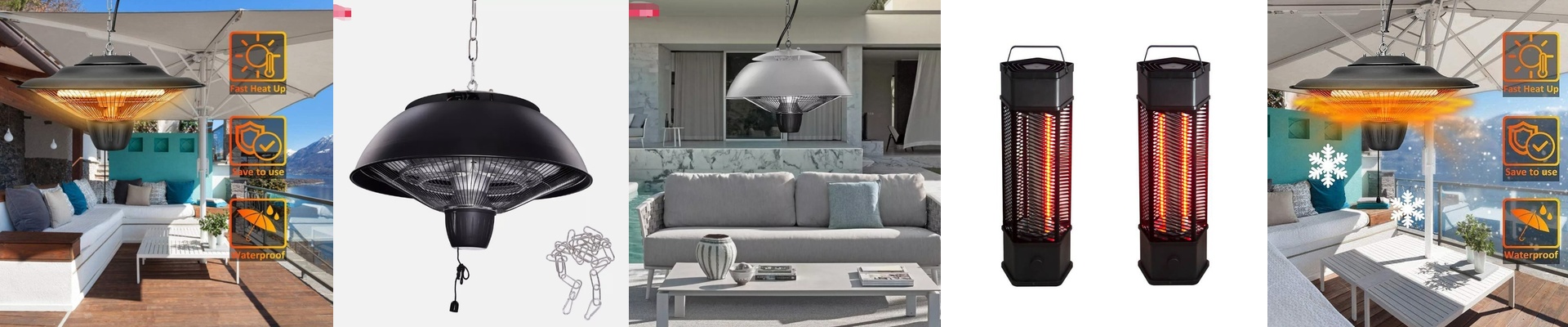
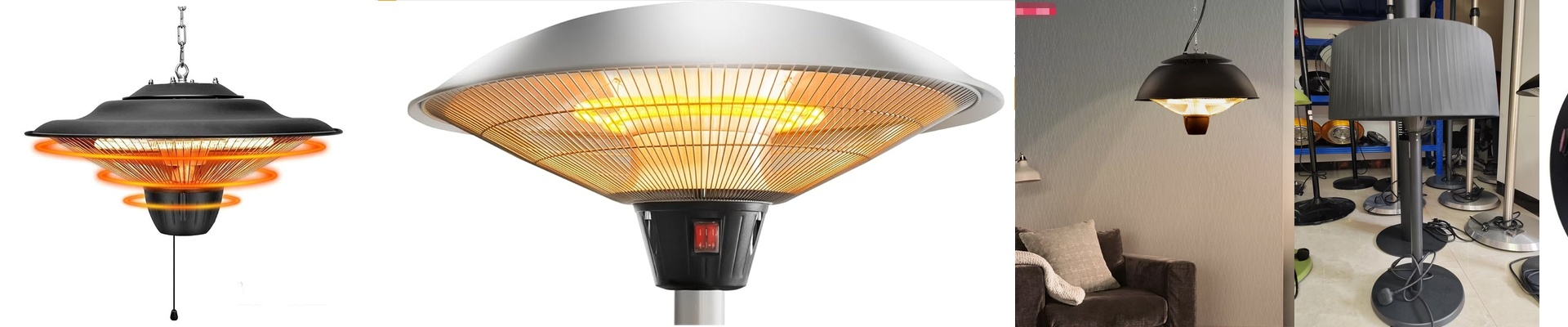
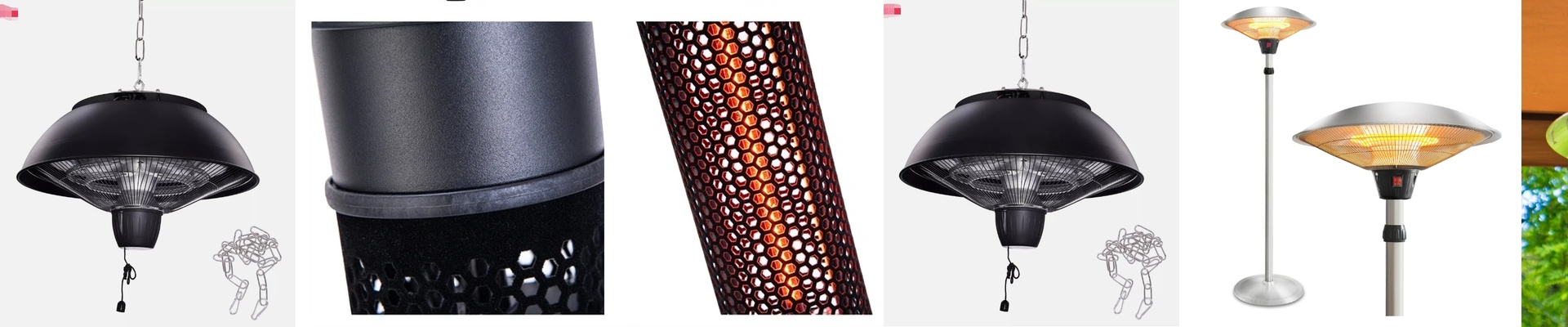
Most of us have dealt with those basic bathroom heat lamps. You know the ones—those thin quartz tubes that feel like they might snap if you look at them wrong. The problem is that bathrooms are basically steam rooms. All that moisture gets inside the unit, fries the electronics, and suddenly you’re shivering in a cold room again. That’s why we’re seeing everyone move toward high-IP infrared heaters. They’re built to actually survive the steam and the occasional splash without giving up the ghost. The “Instant Warmth” Secret Here is the thing about standard heaters: they try to warm up the air. But the second you open the bathroom door to leave, all that expensive warm air just rushes out. Infrared is different. Instead of fighting the air, it sends heat directly to your skin and the walls. It’s like stepping into a beam of sunlight. You don’t have to wait for the whole room to heat up; you feel it the second you flip the switch. It’s fast. Really fast. Why the “IP Rating” Actually Matters You’ll see “IP ratings” on the box, which sounds like boring tech-speak, but it’s the only thing that keeps your bathroom safe. Cheap heaters let moisture leak into the housing. That leads to short circuits or the heating element just burning out. The high-standard waterproof units we use seal everything tight. They also use tempered glass that can handle “thermal shock.” This means you can go from a freezing cold morning to a high-heat blast without the glass cracking. A Quick Heads-Up on Installation Now, there is a catch. These systems pull more power than a simple light bulb. If you’re putting one in an old house, you’ll want to make sure your wiring can handle the load. You don’t want to flip the switch and immediately trip your breaker. It might mean a quick upgrade to your circuit, but it’s worth it. We build these things to last. By keeping the humidity away from the guts of the heater, we stop the rust and oxidation that kills cheap units in a year or two. You’ll spend a bit more upfront, sure. But you won’t be climbing a ladder to replace the same broken heater every single winter.