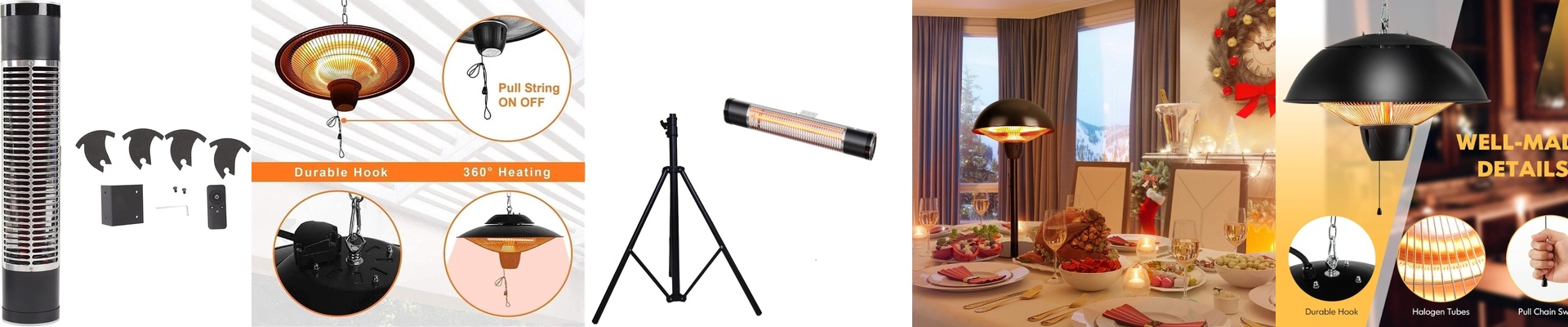
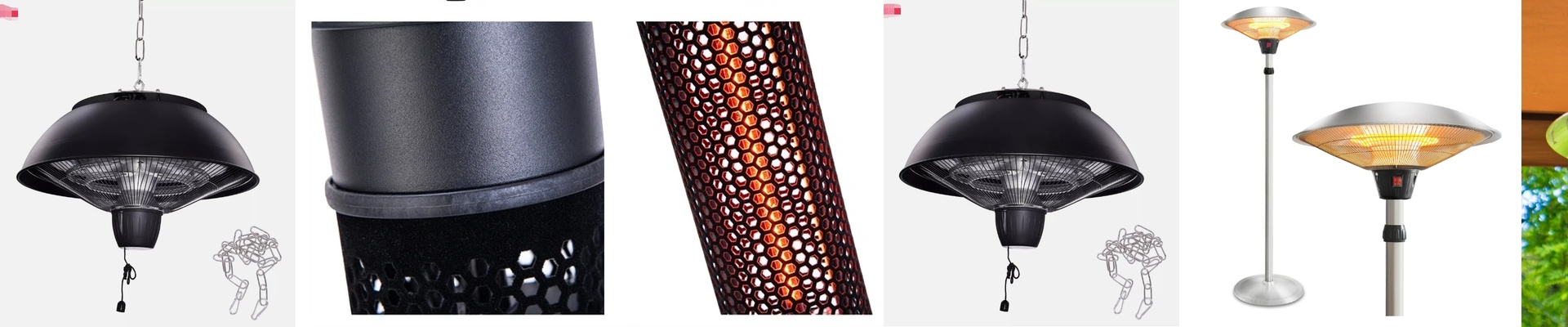
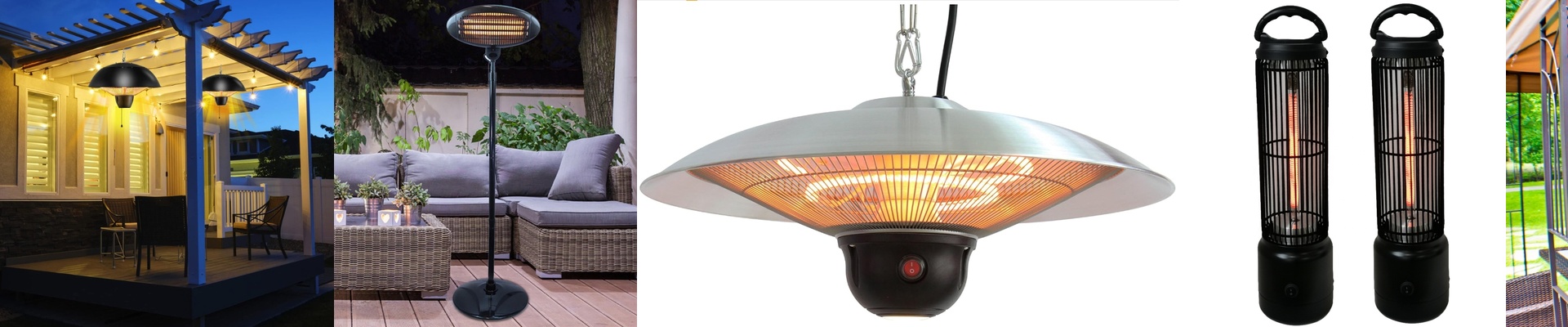
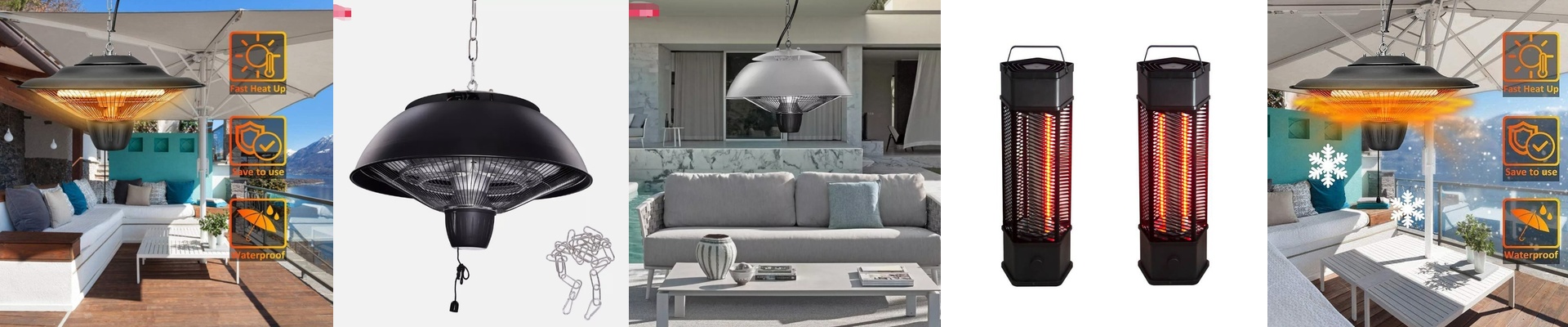
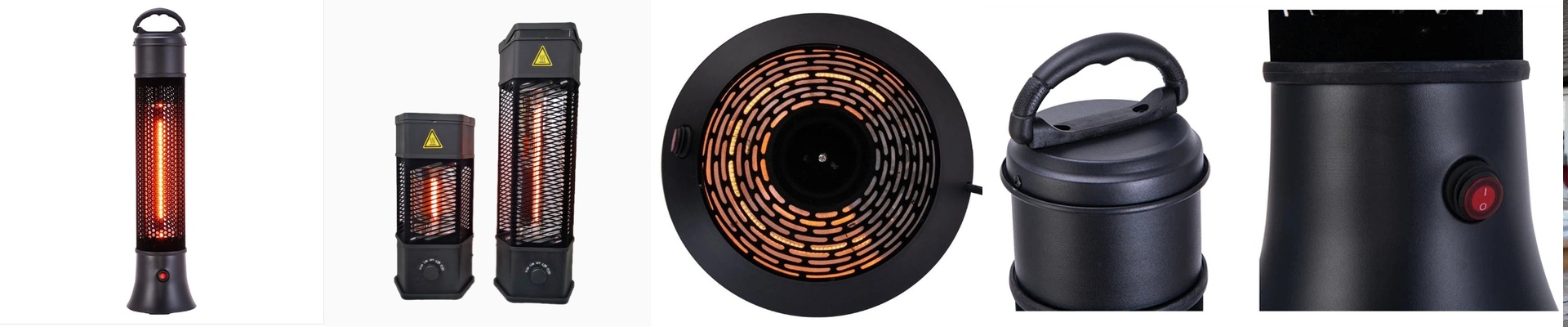

Technical Deep-Dive: Power, Voltage, and Dimensions
Let’s talk about what actually powers these home heaters. We build them around a 400V, 2500W halogen quartz tube that’s about 300mm long. That voltage isn’t by accident. It keeps the current down for the wattage you need, so the wiring stays sensible and the contacts don’t get stressed. And that 300mm length? It focuses the heat into a small footprint, so you’re warming the exact spot you want—not the whole room. It’s fast. Really fast. The element hits operating temperature quickly, so when you need heat, you get it almost immediately.
Material & Design: Halogen, Quartz, and R7s
The tube itself is quartz, and that’s for a reason. It handles sudden temperature swings without cracking, and it delivers clean infrared heat. Inside, the halogen fill keeps the filament stable by cycling tungsten back onto it. That means the output stays consistent over the life of the lamp, and you don’t get that annoying darkening as it ages. Then there’s the R7s connector—straight-through, double-ended. It makes mounting straightforward and keeps contact alignment solid. You wire it using standard ceramic fixtures, and the end caps are tough enough to take repeated use without arcing.
Application & Benefits: Targeted Heat, Easy Replacement
In real life, this setup drops right in where you need industrial spot heating or process preheating—drying, curing, or just keeping a workshop corner comfortable. The form is compact, so it fits into tight enclosures, and the high watt density delivers intense heat exactly where space is scarce. But here’s the part you’ve got to plan for: that concentrated power needs room to breathe. Give it proper airflow and clearance, and the performance stays predictable—without pushing the thermal limits.